
Last updated November 25, 2026
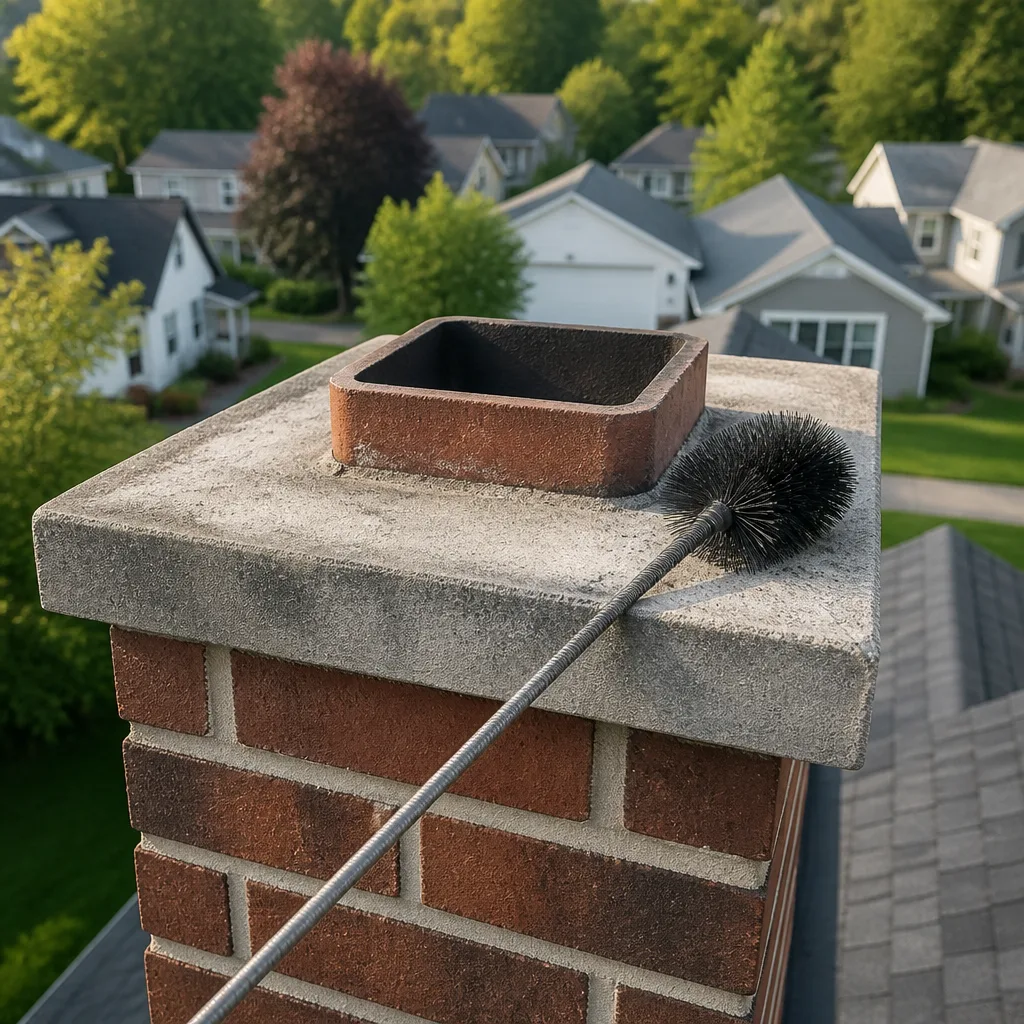 Sweep & inspection
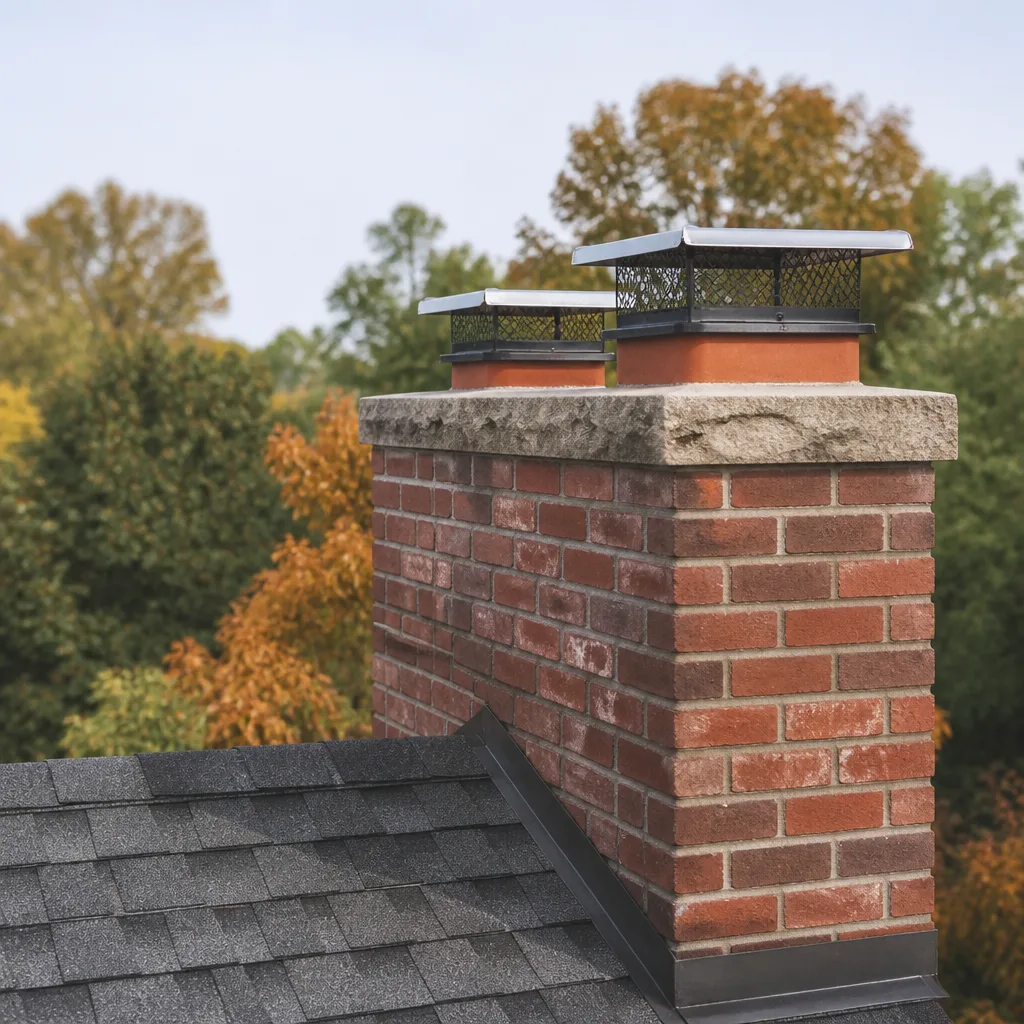 Caps & crowns
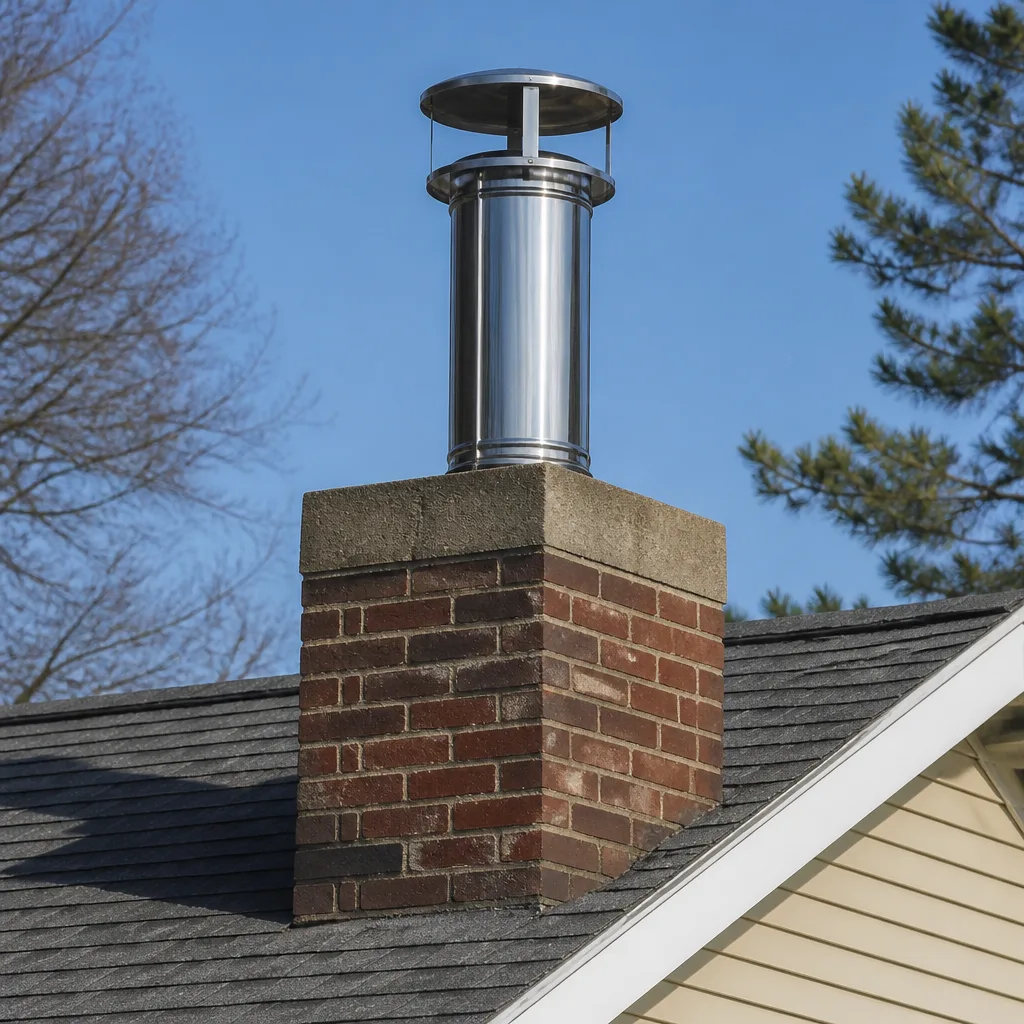 Flue relining
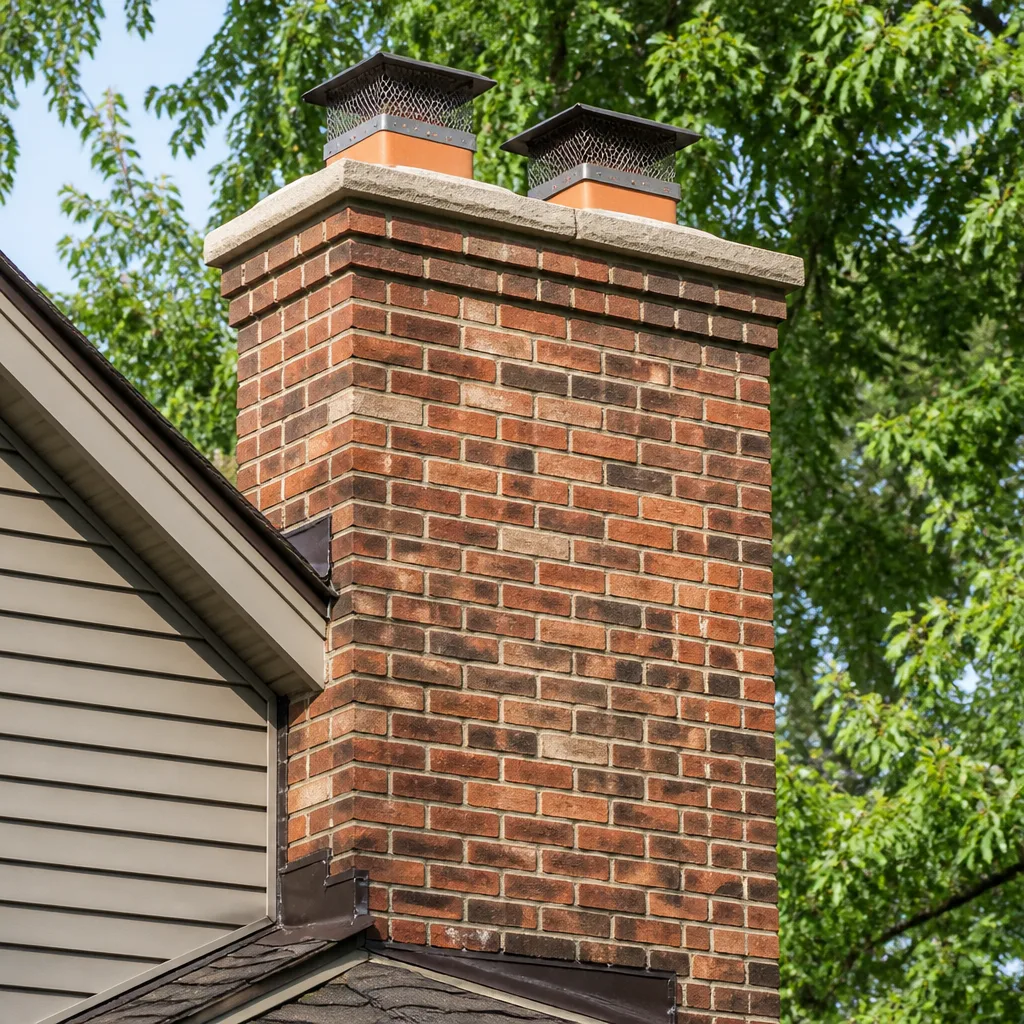 Masonry repair
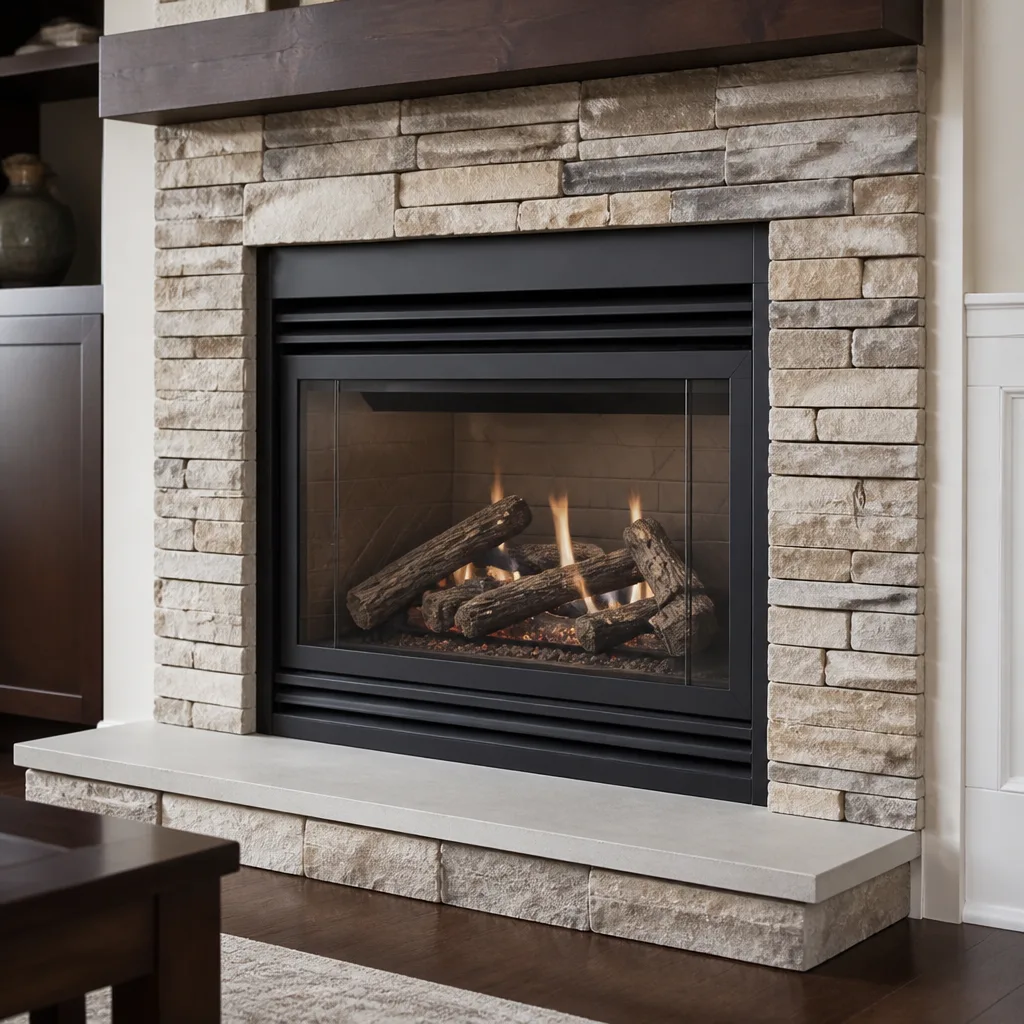 Gas fireplace service
Level 1 sweep and inspection to the NFPA 211 annual standard - flue, crown, cap, and flashing checked and photographed
Chimney sweep logs do not sweep chimneys. They loosen some creosote - which then falls where a brush and vacuum still have to collect it.
How to Hire a Chimney Cleaning Contractor in East Harlem: A Step-by-Step Guide
A five-star review can’t tell you whether a contractor knows the difference between a clay tile liner and a stainless steel insert. But the first question you ask on the phone will. East Harlem has no shortage of people willing to show up with a brush and a shop vac, and plenty of them are perfectly pleasant, prompt, and completely unequipped for what’s actually inside the walls of a pre-war walk-up. The vetting that matters here is technical, not reputational. This guide walks you through the certifications worth verifying, the diagnostic questions that separate specialists from dabblers, the quote line items that reveal a real scope of work, and the red flags that show up again and again in this neighborhood. By the end, you’ll know exactly what to ask and what to put in writing before anyone climbs onto your roof.
Styles & brands we work with
- Sweep & inspection
- Caps & crowns
- Flue relining
- Masonry repair
- Gas fireplace service
Quick Answer
To hire a chimney cleaning contractor in East Harlem, verify the CSIA credential independently through the Chimney Safety Institute of America, ask whether the company handles the full chimney lifecycle (sweep, inspection, cap, crown, liner, fireplace) or only cleaning, request a written quote that itemizes each task separately, and confirm what happens if the inspection turns up a defect. A true specialist answers all four without hesitation. A generalist with a brush kit stumbles on at least one.
Table of Contents
- Why Vetting a Chimney Contractor in East Harlem Takes More Than Reviews
- Step 1: Verify the Certifications Yourself
- Step 2: Ask the Five Diagnostic Questions Before Booking
- Step 3: Read the Quote Like a Contractor Would
- Step 4: Test Their Knowledge of Pre-War and Multi-Flue Buildings
- Step 5: Put the Scope in Writing Before Anyone Climbs Up
- Red Flags Specific to East Harlem
- Common Mistakes to Avoid
- When to Call a Professional
- Frequently Asked Questions
- The Bottom Line
Why Vetting a Chimney Contractor in East Harlem Takes More Than Reviews
Reviews on Google and Yelp measure whether someone showed up on time and left the floor clean. Those are good things. They tell you nothing about whether the person on your roof can look down a flue and recognize a hairline crack in a clay tile, a spalling crown, or a flue that’s the wrong size for the appliance venting into it. In a neighborhood dominated by pre-war tenement buildings and converted brownstones, the flues are often narrow, offset, and shared between multiple apartments. Reading them correctly is a skill.
That gap between “cleans a chimney” and “understands a chimney” is where homeowners lose money. A generalist handyman who lists chimney cleaning on the side will perform a sweep competently enough. Then the inspection happens, or it doesn’t, and the small thing that would’ve cost a modest repair becomes a liner problem, then a masonry problem. By the time it’s obvious, the scope has grown and the person who caused the delay is long gone.
The good news is that vetting is possible without any special access. The certifications are public and verifiable. The right questions have clear right answers. Quotes can be read line by line. And a contractor who genuinely specializes will be happy to talk through the technical details, because they know it’s how they get the job.
What follows is a step-by-step process designed to be run before you book anything. It works whether you’re hiring us or someone else. That’s the point: an informed homeowner makes better hiring decisions, and the whole neighborhood ends up with safer chimneys as a result.
If you’re starting from square one on what a chimney sweep actually involves, our chimney sweep page covers the basics of what a proper cleaning includes and what a technician should be checking.
Step 1: Verify the Certifications Yourself
The most commonly cited credential in the trade is the CSIA certification, issued by the Chimney Safety Institute of America. Any contractor who is CSIA-certified is proud of it and will tell you so. The next step is where most homeowners stop and should not: verify it independently on the CSIA website. Certification requires passing an exam, and keeping it active requires continuing education. If someone claims the credential and it’s not listed, that’s a serious problem. If they claim a different organization’s certification, look that organization up too and understand what the credential actually requires.
For gas appliances, the NFI certification matters. The National Fireplace Institute issues certifications specific to gas appliance installation and service. If your home has a gas fireplace or a gas unit venting through a chimney, ask whether the contractor holds NFI certification for gas work. It’s a separate discipline from wood-burning work and requires separate training.
Here’s a short checklist of what to verify before you book:
- CSIA certification – ask for the name under which it’s held, then check the CSIA website yourself.
- NFI certification (gas appliances) – ask specifically whether they hold the gas certification, not just NFI membership.
- Liability insurance – ask for a certificate of insurance, and understand that work on a roof or from a ladder carries real risk to your property.
- Scope of work – ask which of the five core services they perform in-house: sweep, inspection, cap and crown, structural repair, and fireplace repair. If the answer is “we sub it out,” you’ll be dealing with two contractors.
- Materials – ask which product lines they install. A specialist will name specific professional-grade brands and be able to explain why each is spec’d for a particular situation.
The certification question is the fastest filter available. A CSIA-certified, NFI-aware contractor will rattle off the details without looking anything up. A generalist will often say “we’re fully licensed and insured” and hope you don’t ask what that means.
Step 2: Ask the Five Diagnostic Questions Before Booking
These five questions are designed so that a true specialist can answer them in detail and a generalist cannot fake it. Ask them on the phone, before anyone schedules a visit. The tone of the answer tells you as much as the content.
1. “What’s typically involved in a chimney cleaning at my type of building?” A specialist will ask you about the appliance type (wood fireplace, gas, oil), the age and construction of the chimney, and whether the flue is masonry or prefab. They’ll describe a sweep, then a visual inspection with a camera, then a written report. A generalist will say “we brush it out and clean up.”
2. “Do you do the inspection with a camera, and do I get photos?” A camera inspection with photos is the standard of care for anything beyond a surface check. If the answer is “we look up there with a flashlight,” ask what they do when the flashlight can’t see past an offset. A specialist uses a camera on an articulating pole and can show you the interior of your own flue. That’s how you verify what’s actually there, rather than taking anyone’s word for it.
3. “What liner materials do you install, and why would you choose one over another?” A specialist will name brands and describe the trade-offs: DuraFlex flexible stainless for offset or irregular flues, for example, versus a rigid liner for a straight run. They’ll mention HeatShield flue resurfacing as a non-replacement option for certain deteriorating clay tile liners. A generalist will say “we use the standard stuff.”
4. “Who handles the repair if you find something wrong during the sweep?” If the answer is “we’ll give you a referral,” you’re dealing with a cleaning company, not a chimney contractor. A full-service specialist covers the sweep, the inspection, the cap and crown, the liner, and the fireplace repair under one roof. One visit, one scope of work, one point of accountability.
5. “How much of the job do you do before you recommend a fix?” The right answer is “we diagnose first, then recommend the right fix, not the most expensive one.” A specialist will describe a process where the camera inspection comes first and the recommendation follows the evidence. A generalist will reverse the order: recommend a fix, then look for something that fits it.
If you want to see how we’d answer these in detail, our Chimney Sweep East Harlem page covers the full range of what we do. But ask any contractor you’re considering, not just us.
Step 3: Read the Quote Like a Contractor Would
A quote is a scope of work, not a number. The number is the last thing you should read, not the first. A legitimate chimney cleaning quote in East Harlem should itemize the tasks separately, so you can see what’s included and what isn’t. A flat-rate offer that says “chimney cleaning – $X” hides scope gaps that will show up later.
Here’s what a well-structured quote should itemize, in list form:
- Sweep – the cleaning itself, listed as a separate line, with the appliance type specified.
- Inspection – visual or camera, listed as a separate line, with photos described in the deliverables.
- Report – what you’ll receive in writing after the visit, and what it will cover.
- Cap and crown – checked, and noted as good, marginal, or needing work, not just lumped into the cleaning.
- Access and cleanup – how the work area is protected, and what cleanup is included.
- Recommendations – deferred items listed with a clear “can wait” or “should address” note.
A flat-rate quote that bundles everything into one number isn’t necessarily dishonest. It’s just less useful, because you can’t tell what’s covered and what isn’t. When a defect turns up, a bundled quote gives you no way to check whether the repair was supposed to be included. An itemized quote gives you a baseline and a trail.
One more thing to check: whether the quote is written or verbal. A written estimate sets the price. A verbal estimate is a wish. Ask for the written version before you book, and read the line items before you agree to anything. The written estimate is what governs the final price, so it should be specific enough to hold.
If the quote includes liner work, don’t be surprised if it’s a separate line from the sweep. A proper chimney repair scope involves its own materials, its own labor, and often its own inspection, and it should be priced separately so you can evaluate it on its own terms.
Step 4: Test Their Knowledge of Pre-War and Multi-Flue Buildings
This is the step most homeowners skip, and it’s the one that matters most in East Harlem. The neighborhood’s housing stock is dominated by buildings from before the mid-20th century: tenement walk-ups, converted brownstones, and older multi-family buildings where the chimney was originally designed to carry more than one flue. Those flues have particular characteristics that a contractor needs to understand.
Pre-war flues are often narrower than modern construction, and they’re frequently offset, meaning the flue twists or steps as it rises through the building rather than running straight up. An offset flue is harder to clean because a rigid brush or rod can’t navigate the turn. A contractor who only carries rigid equipment will leave part of the flue uncleaned and won’t necessarily tell you. A specialist knows to use flexible rods and a camera to reach every section.
Multi-flue chimneys are the other common situation in East Harlem. A single chimney stack in a tenement building may serve several apartments, each with its own flue. That creates two issues. First, a defect in one flue can affect the performance of the others, because the stack shares a single crown and masonry enclosure. Second, a “chimney cleaning” for one apartment is incomplete if it doesn’t account for the shared structure. Ask any contractor you’re considering how they handle a multi-flue stack, and listen for whether they mention inspecting the crown and the shared masonry, not just the flue you called about.
Here are some follow-up questions designed to test this specifically:
- “How do you clean an offset flue?” A specialist will talk about flexible rods, camera navigation, and possibly accessing from a cleanout or the roof.
- “What have you seen go wrong with pre-war flues?” A specialist will describe cracked clay tiles, spalling mortar joints, and flues that are undersized for the appliance. A generalist will have nothing specific to say.
- “How do you inspect a shared stack in a multi-flue building?” A specialist will describe checking the crown, the masonry, and the individual flues. A generalist will describe cleaning one flue.
- “Do you carry a camera on every job, or only when there’s a problem?” A specialist carries a camera as standard equipment. A generalist carries one “when needed,” which usually means never.
If the contractor can’t answer these questions in detail, that’s the signal. The right equipment and the right training are not optional in this neighborhood’s housing stock, and a company that doesn’t carry them isn’t set up for it.
Step 5: Put the Scope in Writing Before Anyone Climbs Up
The work order is the document that protects you. It should exist before anyone gets on your roof or opens a cleanout. Get it in writing, read it, and clarify anything vague before the job starts. A contractor who resists putting the scope in writing is telling you something.
Here’s what should be in the work order before the visit:
- Address and access instructions – which building entrance, which apartment, who provides access, where the chimney is located.
- Appliance description – wood-burning fireplace, gas appliance, oil, or other, and the type of flue it vents into.
- Scope of work – each task listed separately: sweep, inspection, camera, cap and crown check, and anything else included.
- Deliverables – the written report, photos, and any recommendations.
- Pricing – stated as an itemized estimate, with the note that the final price is set by the written estimate.
- Who does what – whether the same crew performs both the sweep and any follow-up repair, or whether a second visit is required.
- What’s excluded – the things the quote does not cover, listed explicitly so there are no surprises.
The “what’s excluded” line is the one most homeowners forget to ask for, and it’s the one that prevents disputes. If masonry repair isn’t included, the work order should say so. If the crown inspection requires roof access that’s separate from the cleaning, the work order should say so. If the liner work is a separate scope with its own estimate, the work order should say so.
One more item that belongs in the work order: what happens if the contractor finds a serious defect mid-job. The right answer is that they stop, document it with camera evidence, and show you before recommending next steps. The wrong answer is that they proceed and hand you a bill. A specialist will always choose the first option, because the evidence is the whole point of the inspection.
For the cap and crown specifically, our chimney cap & crown page lays out what a proper inspection of those components involves, which can help you evaluate whether the work order covers them.
Red Flags Specific to East Harlem
Some warning signs are universal to the trade. Others show up more in this neighborhood, because of the housing stock, the density of the buildings, and the number of generalist handymen advertising chimney services. Here’s what to watch for.
Can’t describe pre-war flue proportions or multi-flue chimneys. This is the biggest tell. If a contractor has never worked on a tenement-era stack and can’t describe how an offset flue differs from a straight one, they are not set up for East Harlem buildings. Ask the question directly and listen for the answer.
Only offers cleaning, no repair. A cleaning-only company is not a chimney contractor. When the inspection turns up a cracked tile or a failing crown, they’ll either refer you out or tell you “that’s not something we handle.” Either way, you now have to hire a second contractor and hope the two scopes line up.
Recommends a full liner replacement before any inspection. This is the most expensive possible recommendation, and it should never come before a camera inspection. A specialist diagnoses first, then recommends the right fix, not the most expensive one. If you hear “you probably need a new liner” on the phone before anyone has looked at anything, that’s a red flag.
Won’t name the materials they install. Professional-grade materials matter. A specialist works with brands like DuraFlex, HeatShield, Famco, and Copperfield, and can explain which one fits which situation. A generalist says “the standard liner” and means the cheapest thing available.
No camera, no photos. Without camera evidence, you have no way to verify what the contractor found. Photos are the difference between “trust me” and “here’s what I saw.”
Flat-rate price with no itemization. A single number with no breakdown hides scope gaps. It also makes it hard to compare quotes, because you can’t tell what’s actually included.
Pressure to book immediately. Chimney problems can be serious, but urgency is a sales tactic, not a diagnostic category. A specialist will tell you when work can safely wait, and there are times when it can. If a contractor won’t, that’s about their calendar, not your chimney.
Common Mistakes to Avoid
- Trusting the review score over the answer on the phone. Averages measure customer service, not technical competence. A five-star generalist is still a generalist. Ask a technical question and listen for a technical answer.
- Not verifying the CSIA credential independently. Anyone can claim certification. The CSIA website lists who actually holds it. Checking takes two minutes and eliminates a large share of the field.
- Accepting a bundled quote with no line items. A flat rate hides what’s included and what isn’t. When a defect turns up, you have no way to know whether it was supposed to be covered. Ask for itemization.
- Letting a “you probably need a new liner” recommendation stand without a camera inspection. Liner replacement is the big-ticket item, and it should never be recommended before the flue has been seen from the inside. Ask to see the photos.
- Hiring a generalist because they’re local and available. Availability isn’t a qualification. A contractor who isn’t equipped for pre-war flues will leave part of the flue uncleaned, and you won’t know until something goes wrong.
- Skipping the work order. The scope in writing is what protects you if the job grows. If the contractor won’t put it in writing, that’s your answer.
- Ignoring multi-flue issues. A cleaning for one apartment in a multi-flue building is incomplete if it doesn’t account for the shared crown and masonry. Ask how they handle the stack, not just the flue.
- Treating a cleaning as the whole job. The sweep is one part of chimney care. The inspection, the cap and crown, the liner, and the fireplace are the rest. A specialist covers the full lifecycle under one roof, so the pieces stay aligned.
When to Call a Professional
Some chimney situations are routine and can wait for a scheduled cleaning. Others warrant a call now. Call a professional when you smell a strong creosote odor in warm weather, when you see smoke backing into the room instead of going up the flue, when the fire is harder to start than it used to be, when you notice staining on the ceiling or wall near the chimney, or when you haven’t had the chimney inspected and you don’t know the last time it was swept. Call immediately if you smell gas near a gas appliance, or if you see or suspect a chimney fire has occurred. Those are safety situations and warrant a trained technician, not a wait-and-see approach.
Chimney Sweep East Harlem offers free estimates in East Harlem. Call (844) 482-6205. We answer 24/7. Fast dispatch from 7am to 7pm, Sunday through Friday. The written estimate sets the final price, and we work with your insurer where that’s relevant.
Frequently Asked Questions
Chimney cleaning in East Harlem is priced per job by a written estimate, and the final price is set by that estimate, not by a phone quote. The price varies with the appliance type, flue construction, access, and whether a camera inspection or cap and crown check is included. Ask for the itemized written estimate before booking, and read the line items, because a bundled flat rate is not the same as a scope of work. Call (844) 482-6205 for an exact quote; estimates are free.
Ask the contractor for the name under which the certification is held, then check the Chimney Safety Institute of America’s website directly. CSIA certification requires passing an exam and maintaining continuing education, and the organization publishes who currently holds it. If the name doesn’t appear, the claim is unverified, and you should keep looking. For gas appliances, ask separately about NFI certification, which is a different credential.
You need a new liner when the existing flue can no longer safely contain what’s venting into it, and the evidence for that comes from a camera inspection, not a phone conversation. Ask to see the photos. If the flue is deteriorating but not failed, HeatShield flue resurfacing can sometimes extend the life of a clay tile liner without full replacement, and a specialist will explain when that’s an option and when it isn’t. Nothing should be recommended without camera evidence you can see for yourself.
The honest answer depends on how much you burn and what you burn. A wood-burning fireplace in regular use needs attention more often than one used a few times a winter, and a gas appliance has different inspection needs than a wood fireplace. The practical guidance most chimney professionals give is an annual inspection, with a cleaning scheduled when the inspection shows buildup. A specialist will tell you plainly when a cleaning can wait.
Creosote accumulates in the flue with use, and it’s flammable. A chimney fire can result, and it can damage the flue even when you don’t notice it happening. Separately, a blocked or deteriorated flue can let carbon monoxide back into the living space, which is a genuine safety concern with any fuel-burning appliance. Skipping a cleaning doesn’t cause a problem on a schedule, but it removes the inspection that would catch one early. That’s the real argument for keeping up with it.
Yes. Multi-flue stacks and offset flues are common in East Harlem’s pre-war housing, and cleaning one flue without accounting for the shared crown and masonry is an incomplete job. A camera inspection reaches the sections a rigid brush can’t, and the report should cover the shared structure, not just the flue you called about. Call (844) 482-6205 to schedule an estimate, and we’ll talk through what your building actually has.
The Bottom Line
Hiring a chimney cleaning contractor in East Harlem comes down to four things: verify the certification yourself, ask the five diagnostic questions before booking, read the quote for line items rather than a single number, and put the scope in writing before anyone gets on the roof. The neighborhood’s pre-war flues and multi-flue stacks reward a contractor who carries a camera and flexible equipment, and they expose one who doesn’t. A specialist covers the sweep, the inspection, the cap and crown, the liner, and the fireplace repair under one roof, so the diagnosis and the fix stay aligned. A generalist with a brush kit and a friendly manner can’t do that, no matter how good the reviews are. Ask the questions, and the right hire becomes obvious.
If you’d like to talk through your building’s specific situation, call (844) 482-6205 for a free estimate. We answer 24/7. Fast dispatch from 7am to 7pm, Sunday through Friday. The written estimate sets the final price, and nothing is recommended without camera evidence you can see for yourself.
Written by the team at Chimney Sweep East Harlem.
See the difference
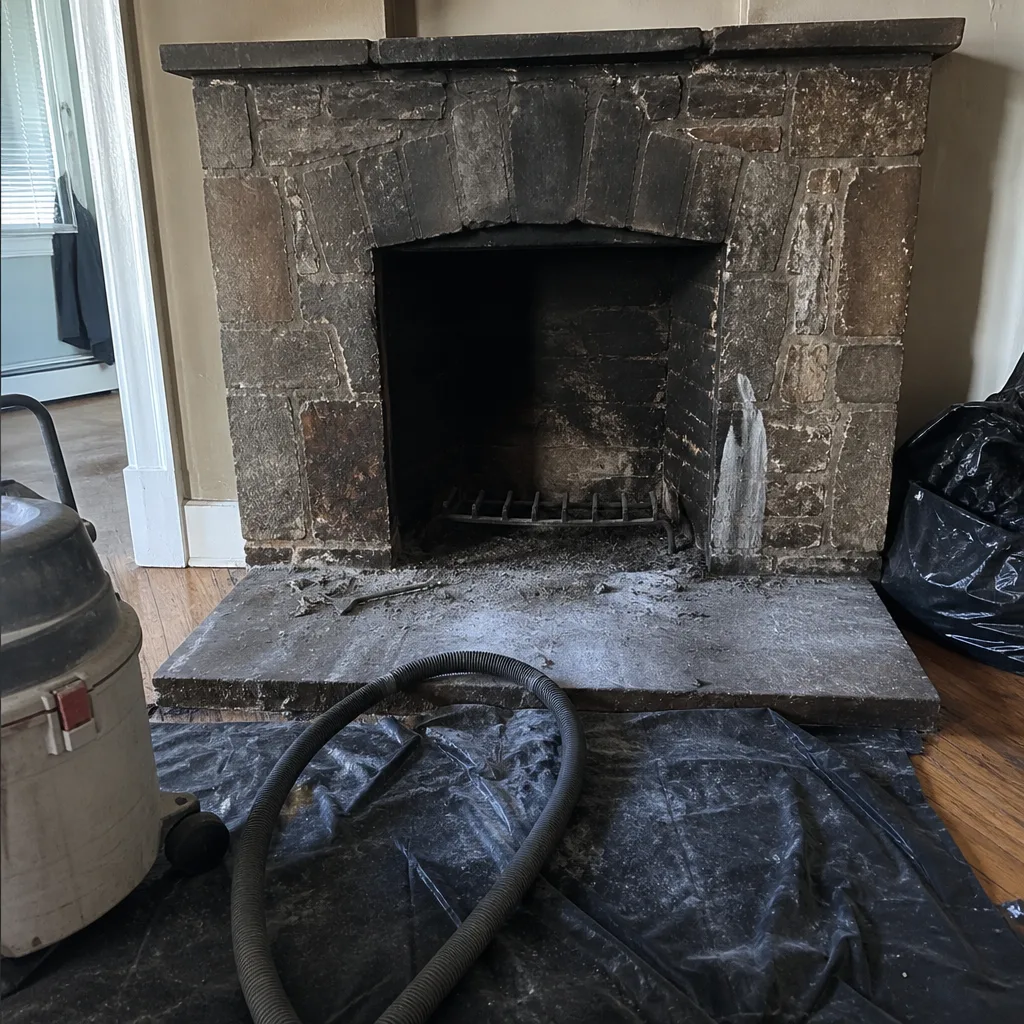 Before
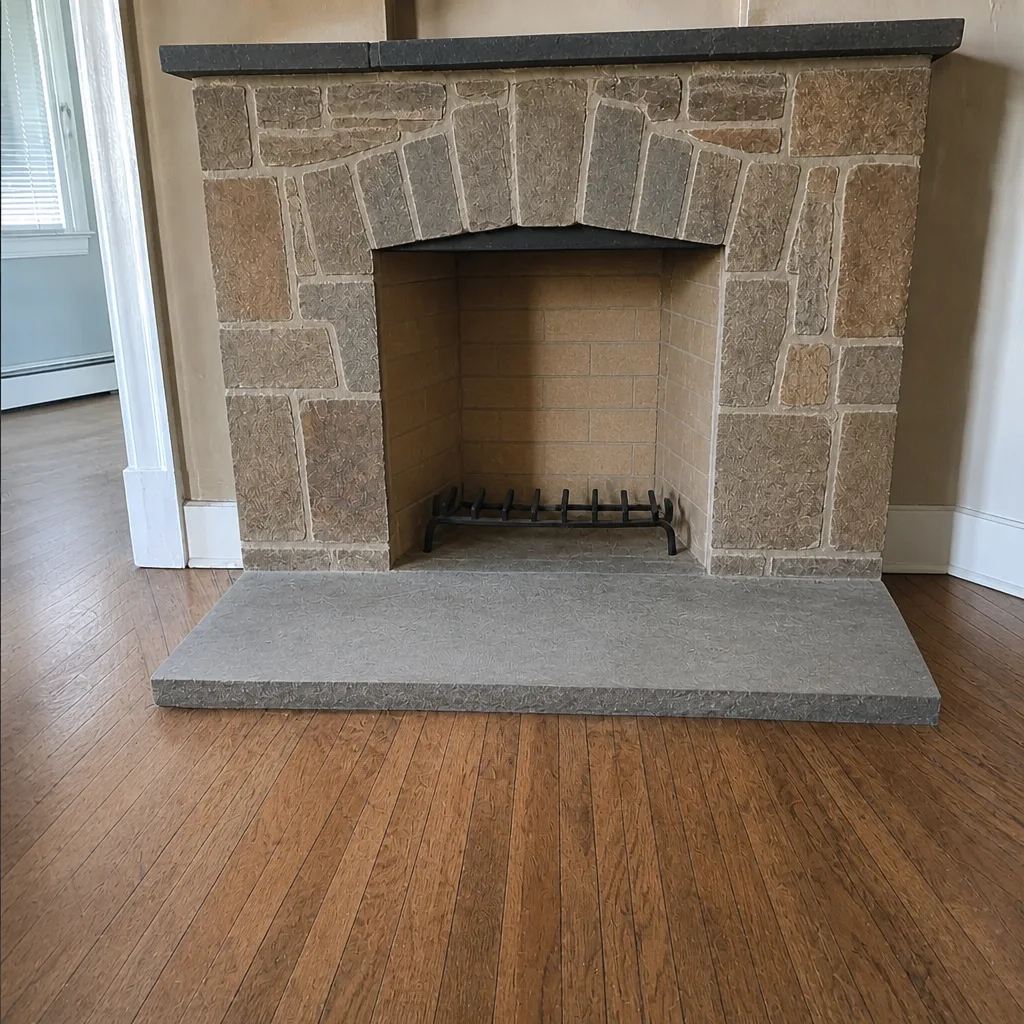 After
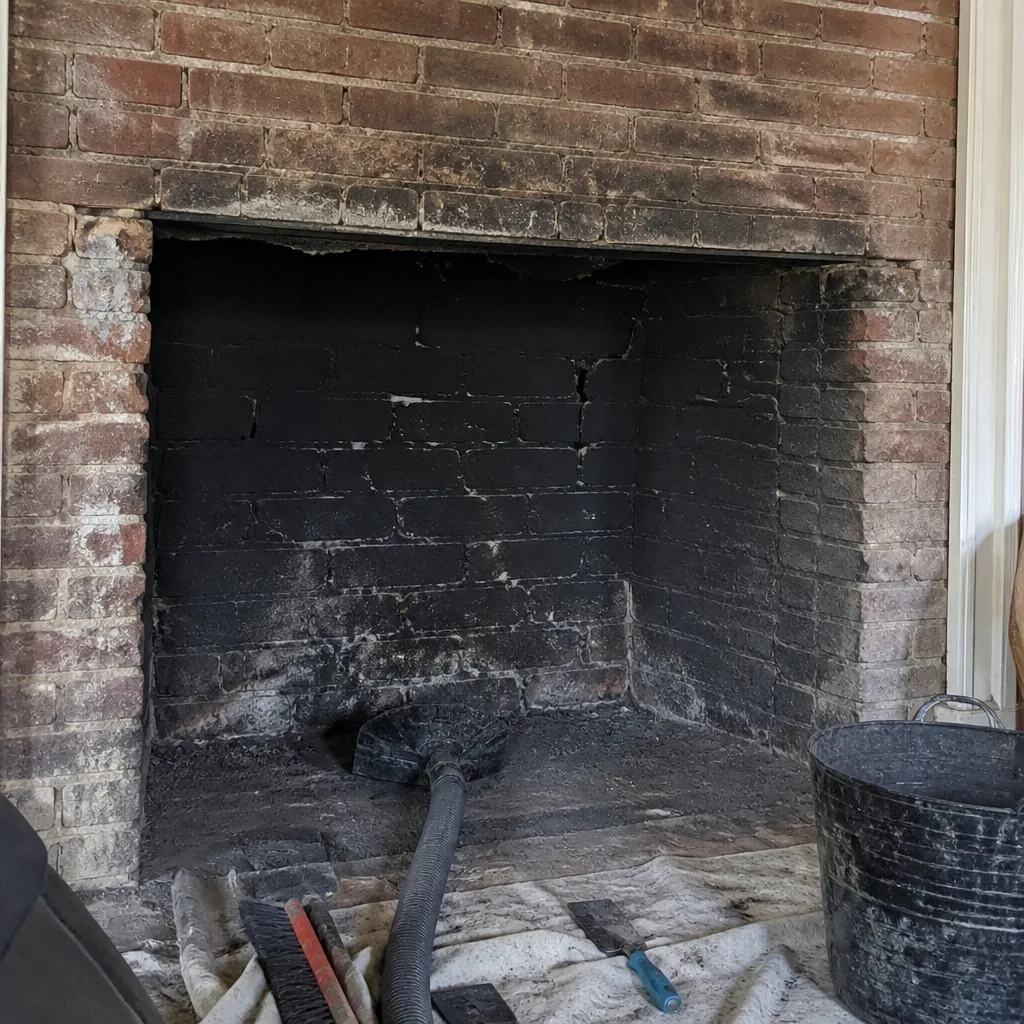 Before
 After
 Before
 After