
Last updated November 25, 2026
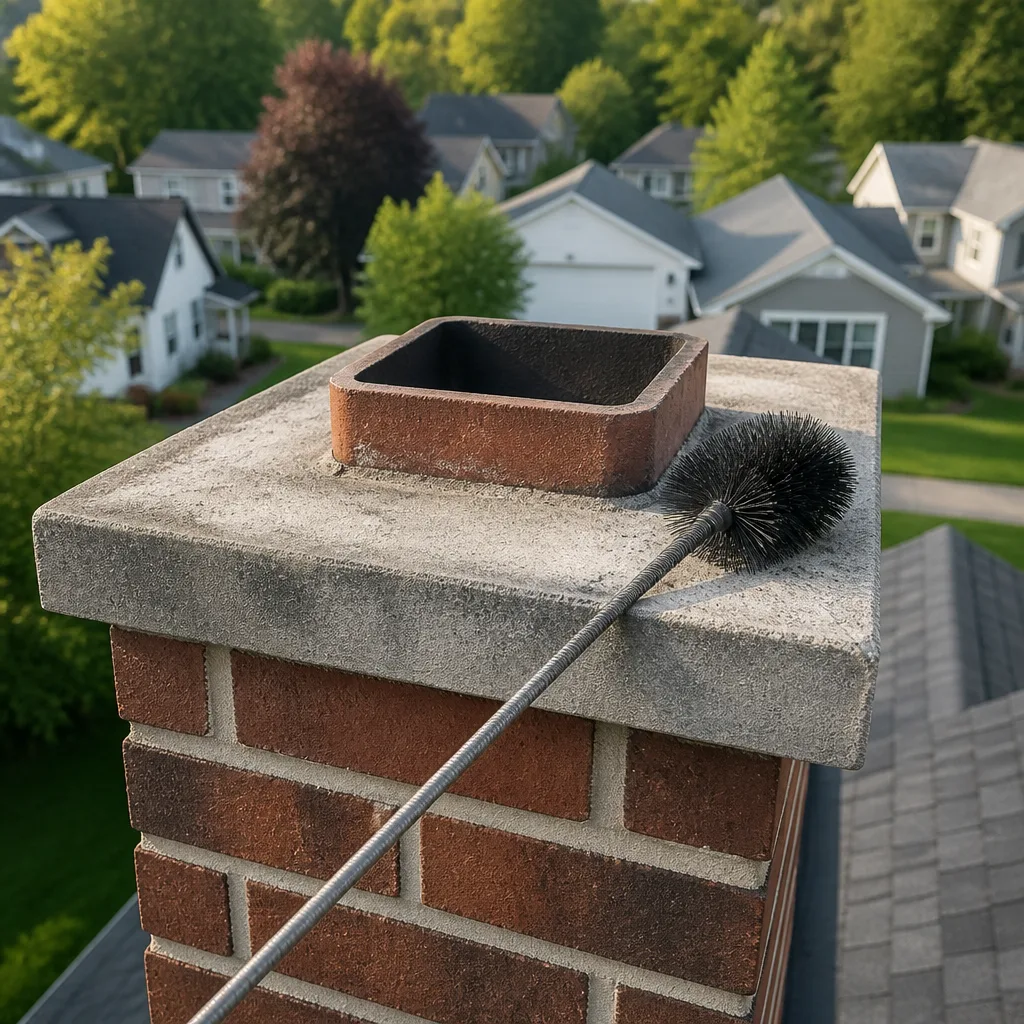 Sweep & inspection
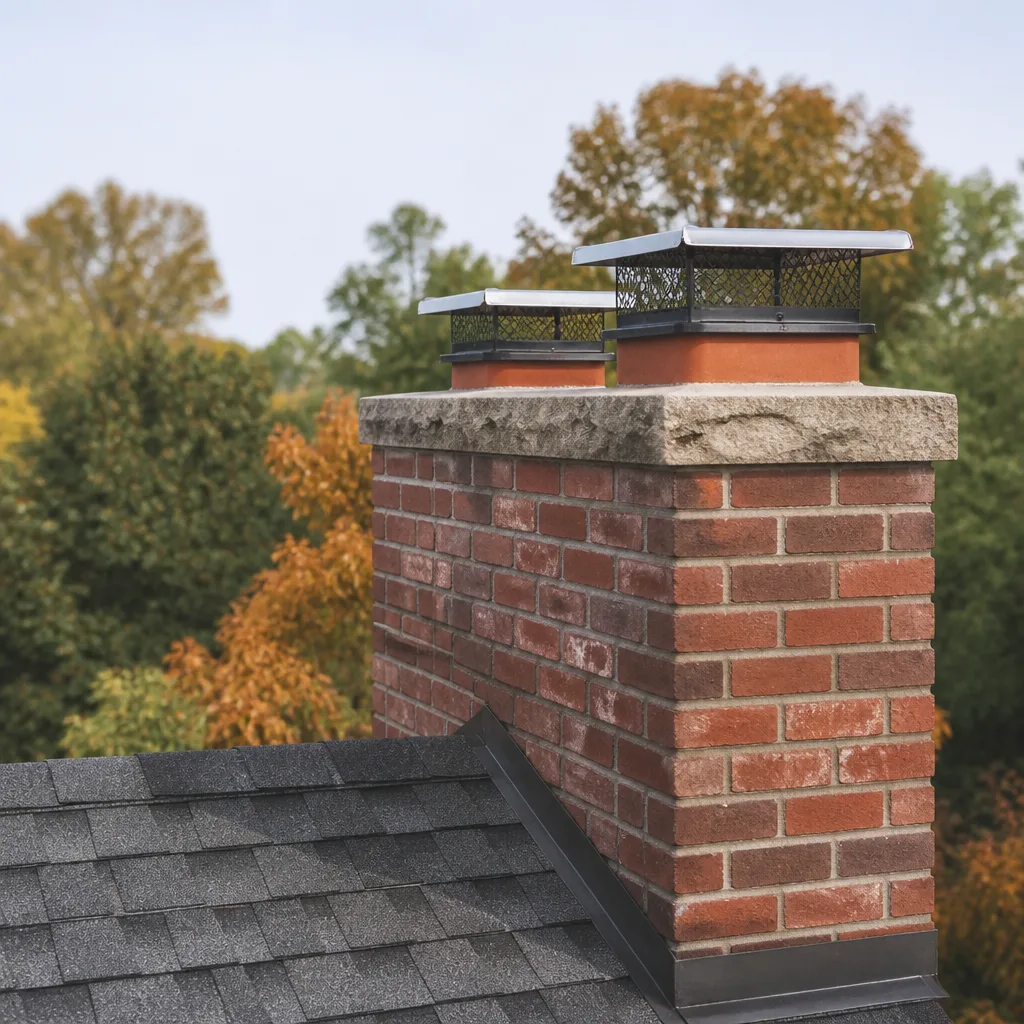 Caps & crowns
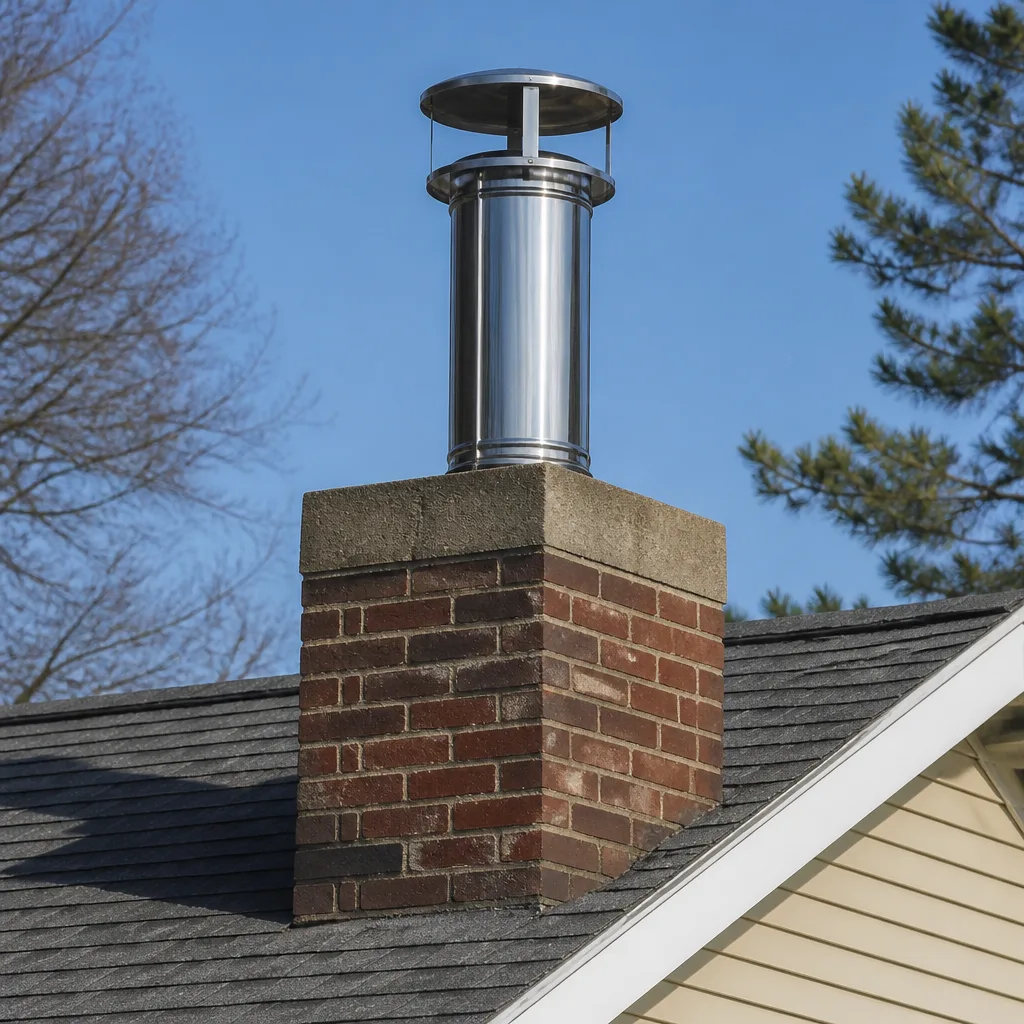 Flue relining
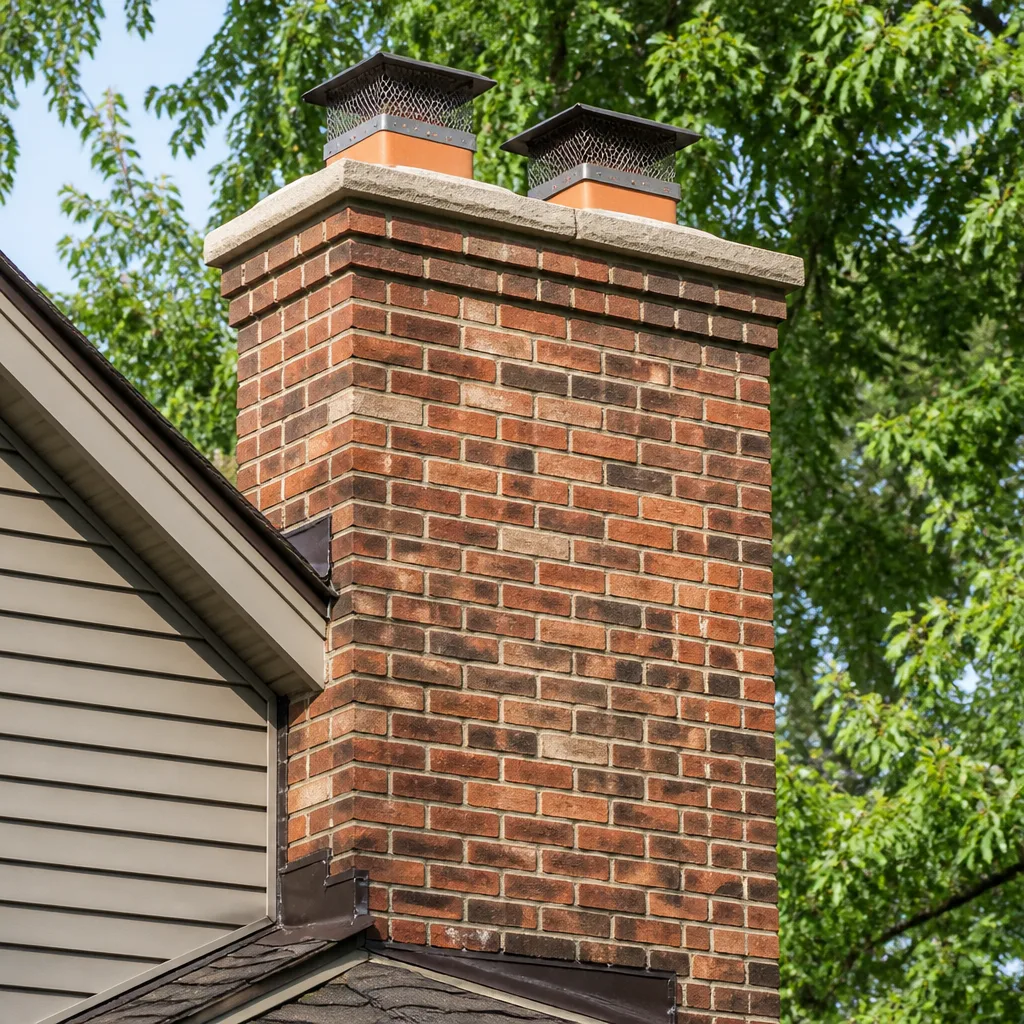 Masonry repair
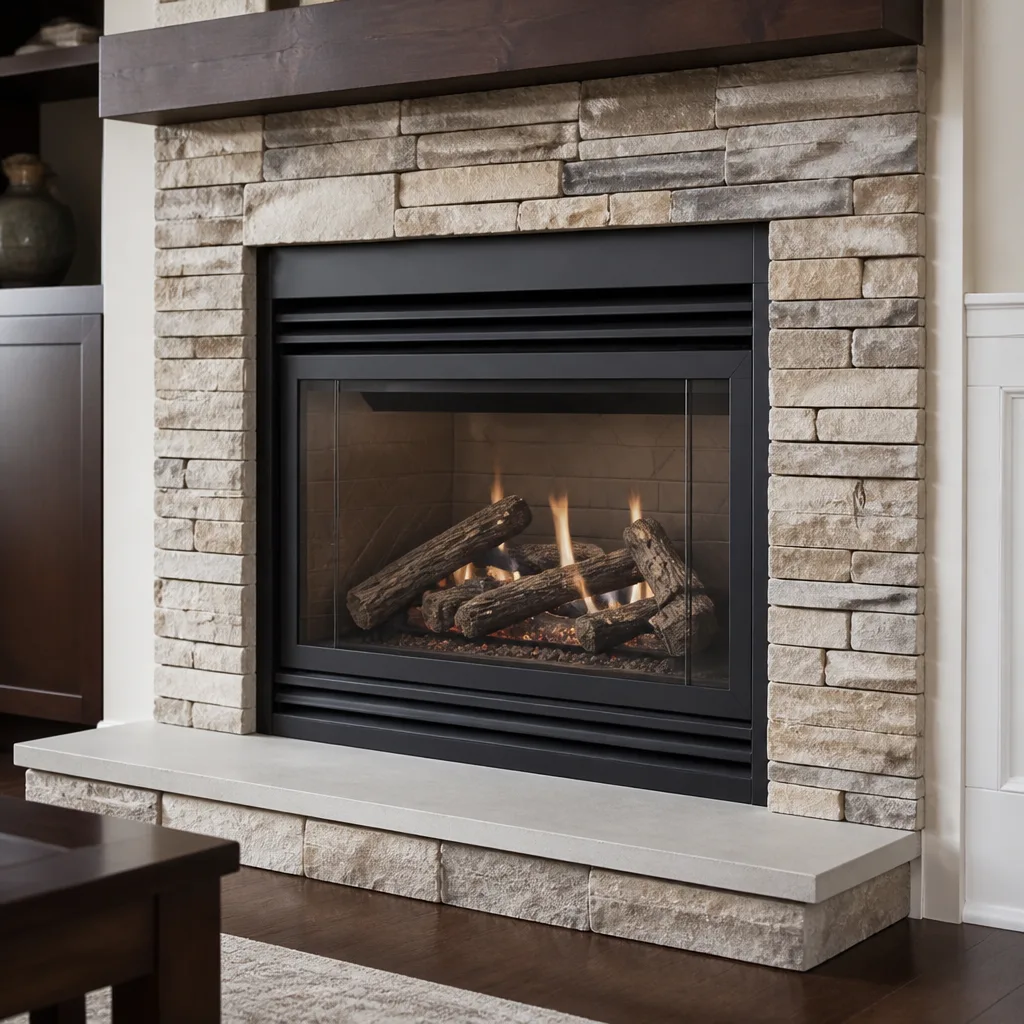 Gas fireplace service
Level 1 sweep and inspection to the NFPA 211 annual standard - flue, crown, cap, and flashing checked and photographed
Chimney sweep logs do not sweep chimneys. They loosen some creosote - which then falls where a brush and vacuum still have to collect it.
Chimney Cleaning Permits, Codes & Inspections in East Harlem, NY: What You Need to Know
Most chimney work in New York City needs no permit at all. That surprises people. The flip side is the part that catches homeowners off guard: a liner replacement done without a DOB filing is legally unpermitted work, and it can surface as an open violation when you sell, refinance, or file a claim. The line between routine maintenance and regulated alteration is drawn in the NYC Building Code, and plenty of contractors either don’t know where it sits or would rather not mention it. This guide draws that line for East Harlem homeowners: what a sweep can do without paperwork, what triggers a permit, which credentials matter, how NFPA 211 and local law fit together, and what landmark rules mean for exterior chimney work on the blocks where they apply.
Quick Answer
Routine chimney cleaning in East Harlem does not require a DOB permit. Permits and licensed filings come into play when work becomes an alteration: replacing or relining a flue, structural repair to the chimney or its support, and new appliance connections. On landmarked properties, exterior chimney work may also need Landmarks Preservation Commission review before anything changes on the roofline.
Styles & brands we work with
- Sweep & inspection
- Caps & crowns
- Flue relining
- Masonry repair
- Gas fireplace service
Table of Contents
- Where NYC Draws the Line Between Maintenance and Alteration
- When a NYC DOB Permit Is Actually Required
- Certificate of Fitness: What F-01 and F-03 Mean to You
- NFPA 211 and NYC Local Law: Where They Align and Where NYC Is Stricter
- Landmark and Historic Buildings in East Harlem
- How to Check for Open DOB Violations on a Chimney
- What a Proper Chimney Inspection Covers
Where NYC Draws the Line Between Maintenance and Alteration
New York City’s construction rules separate work into maintenance and alteration, and chimney work falls on both sides of that fence. The dividing language lives in Chapter 1 of Title 28 of the Administrative Code and the rules that implement it, including 1 RCNY 103-04, which deals with how the Department of Buildings classifies and processes work. You don’t need to read the code yourself. You need to know which category your job lands in, because that decides whether a filing is required.
Maintenance is cleaning, inspecting, and minor repair that keeps a chimney doing what it was built to do. Sweeping creosote out of a flue is maintenance. Re-securing a loose cap is maintenance. Repointing a few joints of mortar at the crown, where no structural element is being changed, is maintenance in most cases.
Alteration is different. Alteration changes the chimney itself or the system it serves, and it generally requires a filing and a licensed professional of the right class to pull it. In our experience, the jobs homeowners most often assume are “just a repair” but are legally alterations include:
- Replacing a clay tile liner with a stainless liner system, which is the work we do most often with chimney repair that involves the flue itself
- Resurfacing a deteriorated flue with a restoration product such as HeatShield, when the work restores the liner as a system rather than patching a crack
- Rebuilding a chimney above the roofline, replacing a crown as a structural element, or correcting a chimney that’s pulling away from the building
- Connecting a new appliance, such as a wood stove or a gas unit, to an existing flue
- Any work that changes the chimney’s height, footprint, or the way it penetrates the roof
That distinction matters in East Harlem because so much of the housing stock is older masonry. A quick patch on a hundred-year-old brownstone chimney may look like maintenance from the sidewalk, but if the liner is being replaced rather than cleaned, it isn’t. The written scope of work is what tells you which side of the line you’re on, and it’s the first thing we ask for when a homeowner calls us after another contractor has already started.
When a NYC DOB Permit Is Actually Required
A NYC DOB permit is required whenever the chimney work qualifies as an alteration under the construction code, and the permit has to be pulled by a licensed professional of the appropriate class before the work starts. Cleaning a flue doesn’t require one. Rebuilding a chimney, relining a flue, or making structural repairs generally does.
Here’s the short version of how to think about it:
- Pure cleaning: no permit. A sweep and a visual inspection are maintenance. This is the majority of what happens in East Harlem every year.
- Cap and crown work: usually no permit when you’re replacing a cap or repairing a crown in kind. If the crown is being rebuilt as a structural element, ask the contractor to confirm with the DOB whether a filing is needed. Our chimney cap & crown work is scoped so you know which category you’re in before we start.
- Liner replacement or relining: a permit is typically required. This is alteration work. The installation has to be done by a licensed professional, and the filing has to be in place.
- Structural repair: permit required. Chimney rebuilds, corbel repair, and work that affects how the chimney bears on the structure all fall here.
- New appliance connection: permit required, and the venting has to meet code for the appliance type.
If a contractor tells you a liner replacement needs no permit, ask them to put that in writing with the code citation. In our experience, that conversation ends quickly. When we quote a reline in East Harlem, we tell you up front whether the job will be filed, and we work with licensed professionals who pull the permit when one is required.
Certificate of Fitness: What F-01 and F-03 Mean to You
A Certificate of Fitness is a credential the Fire Department issues to individuals who perform specific regulated activities. It is not the same as a contractor’s license, and it is not the same as a DOB permit. F-01 and F-03 are two Certificate of Fitness categories relevant to chimney and flue work in New York City, and knowing which one applies to a job helps you ask the right questions.
Broadly speaking, these certificates cover activities connected to the storage, handling, or use of certain materials and equipment that the Fire Code regulates, including the operation of equipment that burns fuel. The F-01 and F-03 categories relate to those fire-code-regulated activities. They tell you that the individual holding the certificate has met the Fire Department’s training and testing requirements for that specific scope of work.
So how do these fit with a DOB permit?
- The permit is the city’s authorization to do the alteration. It’s issued to the licensed professional doing the work, and it’s tied to the address and to the scope described in the filing.
- The Certificate of Fitness is the individual’s credential to perform a specific fire-code-regulated activity. It travels with the person, not the address.
- The license is the contractor’s authorization to hold themselves out as a licensed trade professional and to pull permits within their scope.
For an East Harlem homeowner, the practical move is to ask for all three when the job is an alteration: the permit number when there is one, the license, and the Certificate of Fitness if the work touches fire-code-regulated equipment. A crew that can produce all three without a fuss is a crew that knows the difference. A crew that gets vague when you ask is telling you something.
NFPA 211 and NYC Local Law: Where They Align and Where NYC Is Stricter
NFPA 211 is the national standard for chimneys, fireplaces, vents, and solid fuel-burning appliances. It’s the reference most chimney professionals work from, and it’s what insurers and home inspectors typically cite when they flag a chimney issue. New York City’s construction code adopts a version of the national model code and layers its own amendments on top. The two mostly agree, and where they diverge, NYC is usually the stricter one.
Where they align:
- Clearances to combustibles. Both NFPA 211 and NYC code require specific distances between the chimney or vent and combustible material, and both treat concealed combustible framing as a fire hazard that has to be corrected.
- Liner requirements. Both require that a flue be lined, that the lining be continuous and in sound condition, and that it be sized to the appliance.
- Inspection before relining. Both require that a flue be inspected before a liner is sized and installed, which is why we don’t quote a reline from a photo.
- Cap requirements. Both call for a cap or other closure at the top of the flue to keep out rain, animals, and debris.
Where NYC is stricter:
- Filing and permit structure. The national standard tells you what a compliant chimney looks like. NYC tells you who is allowed to build it, what paperwork has to be filed, and what inspection has to happen along the way. NFPA 211 doesn’t require a DOB filing. New York City does, for alterations.
- Fire code overlay. The Fire Code adds requirements around equipment operation and Certificate of Fitness credentials that the national standard doesn’t address, because those are local administrative rules.
- Landmark review. Exterior chimney work on a designated building may need an additional layer of approval that NFPA 211 has no reason to mention.
If you’re working through an insurance claim, the adjuster will usually be looking at NFPA 211 compliance. If you’re selling a property in East Harlem, the buyer’s attorney will be looking at the DOB record. Those are two different questions, and both need a real answer.
Landmark and Historic Buildings in East Harlem
East Harlem has a mix of building stock, and some of it sits in designated historic districts or is individually landmarked. On those properties, exterior work on a chimney is not just a building code question. It’s a Landmarks Preservation Commission question, and it comes before the DOB in the sequence.
The rule of thumb is simple: if the work is visible from a public way and changes the appearance of the building, the Landmarks Preservation Commission will want to review it. That covers a chimney rebuild that changes its height or footprint, a new liner termination that changes the silhouette at the roofline, and a cap that looks materially different from what’s there. A straight replacement of a cap with a like-for-like one, or an interior flue liner that changes nothing you can see from the street, is a different matter, but you don’t want to guess.
How the process usually runs when landmark review applies:
- Confirm the status. Check whether the building is in a designated historic district or individually landmarked. The LPC maintains the records and they’re public.
- Scope the work precisely. Drawings or clear photos of the existing condition and the proposed condition, in writing, before anything is submitted.
- File for the LPC review. Depending on the scope, this may be a staff-level review or a full commission review. Minor work is usually handled at the staff level; anything that changes the visible character of the roofline goes further.
- Get approval before the DOB filing where both apply. The permit filing should reference the approved landmark scope.
- Keep the paperwork. When you sell, the landmark approval and the DOB permit together are the story of a legally performed job.
In our experience, East Harlem homeowners in landmarked buildings get the most anxious about this step, and it’s usually less complicated than they fear. The hard part is finding a contractor willing to do the filings properly. We scope landmark-affected work carefully because a chimney rebuild in a historic district is one job on paper before it’s one job on the roof.
How to Check for Open DOB Violations on a Chimney
You can check for open DOB violations on a chimney without hiring anyone. The Department of Buildings maintains public records by address, and the property’s violation history is available to you directly. Most people don’t know the record exists until a buyer’s attorney pulls it.
Here’s the process:
- Pull the property record. Use the DOB’s public records system and search by address. You’ll see the property’s filings, permits, inspections, and any open violations.
- Look specifically at violation categories. Chimney-related violations usually surface as structural issues (a chimney in a state of disrepair), unpermitted work (an alteration done without a filing), or failure to comply with a prior order. Read the description, not just the category.
- Check the permit history against what’s on the roof. If the record shows no permit for a liner replacement that’s clearly been done, that’s the flag. Walk the roof with your inspector or your contractor and compare what you see to what the record says.
- Ask about “open” versus “dismissed” or “resolved.” A violation that shows as resolved is a different answer than one that’s still open. Get the current status, not the historical list.
- If you’re buying, ask for the resolution paperwork. A seller’s attorney should be able to produce the sign-off or the certificate of correction for any resolved violation. If they can’t, treat it as open until proven otherwise.
- If you already own the property, get the specific deficiency documented. A licensed professional can confirm what the violation actually requires and scope the fix. Our Chimney Sweep East Harlem team sees violations frequently enough that we know which ones are paperwork problems and which ones are real structural issues.
The point isn’t to panic about a violation. It’s to know what’s on the record before someone else tells you. An open violation you’ve never seen is leverage for the other side in a sale, and a resolved one that isn’t documented looks the same as an open one if you can’t produce the paperwork.
What a Proper Chimney Inspection Covers
A proper chimney inspection is a documented, leveled assessment, not a look up the flue with a flashlight. The standard splits inspections into three levels, and knowing which you’re getting is the difference between a useful record and a shrug.
- Level 1: the basic inspection done with every sweep. Visual check of the accessible portions of the chimney, the firebox, the damper, and the flue, plus a check of the appliance connection. Appropriate when nothing has changed and there’s no known problem.
- Level 2: required whenever the property changes hands, an appliance changes, an alteration has been done, or there’s been an event like a chimney fire or a seismic event. Includes everything in Level 1 plus a video scan of the flue and inspection of accessible attics, crawl spaces, and other areas near the chimney.
- Level 3: required when the Level 2 inspection finds a concealed hazard that can’t be evaluated without removing part of the chimney or the building finish. This is the invasive one, and it’s only done when there’s a specific reason.
For most East Harlem homes, a Level 2 inspection is the one you want in hand when you’re buying or selling, because it’s the one that produces a record of the flue condition that a purchaser’s attorney will accept. A video scan is also the only honest way to know whether a liner is actually sound. We use camera inspection because the alternative is a guess, and a guess is what leads to someone being told they need a full reline when a resurfacing would do the job, or vice versa. The right fix follows the evidence, not the other way around.
For the routine annual or as-needed cleaning that happens between those events, our chimney sweep includes a Level 1 inspection as part of the visit. If the sweep turns up something that needs a closer look, we tell you before we do anything else, and we show you the photos.
Common Mistakes to Avoid
- Accepting a liner replacement with no permit in place. A reline is an alteration, and it needs a filing. If the contractor didn’t pull one, the work is legally unpermitted, and that follows the building, not the contractor.
- Assuming the cap isn’t a permit issue. Usually it isn’t, but a full crown rebuild or a change to the chimney’s height above the roofline is a different job. Get the scope in writing before you assume which category it’s in.
- Skipping the landmark check before exterior work in a historic district. Filing with the DOB and skipping the LPC, or the reverse, leaves you with an approval that doesn’t cover what’s on the roof.
- Trusting a “no paperwork needed” verbal answer on alteration work. Ask for the code citation in writing. If it can’t be produced, the claim is probably wrong.
- Buying a property in East Harlem without pulling the DOB record. The violation history is public and it takes five minutes. An open chimney violation is a negotiating fact, and you want it before you sign.
- Treating an inspection as a sales call. A Level 2 inspection with a video scan produces evidence you can look at. If someone recommends a four-figure repair without showing you the scan, ask to see it, or get a second opinion.
- Letting an unresolved violation sit on the record. Resolved violations need the sign-off documented. A resolved-but-undocumented violation has a way of showing up during a sale at the worst possible time.
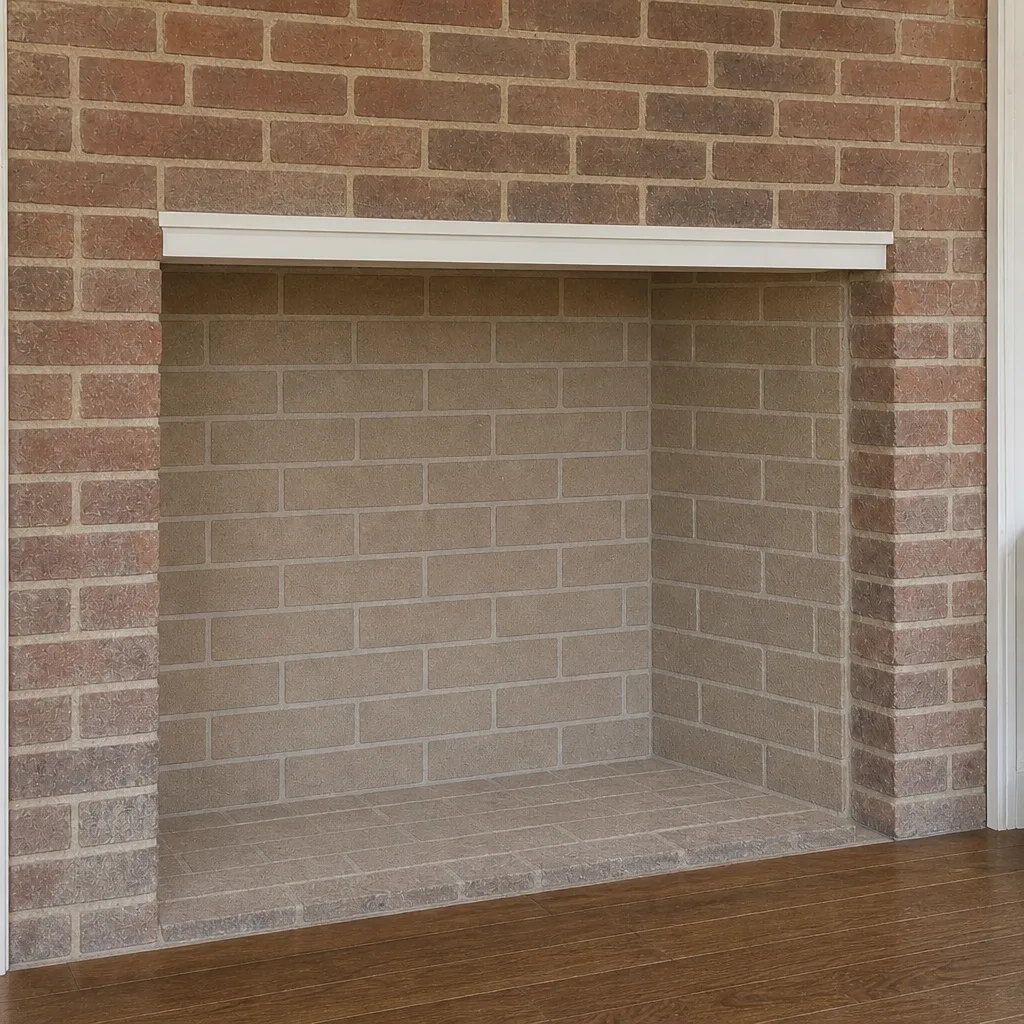
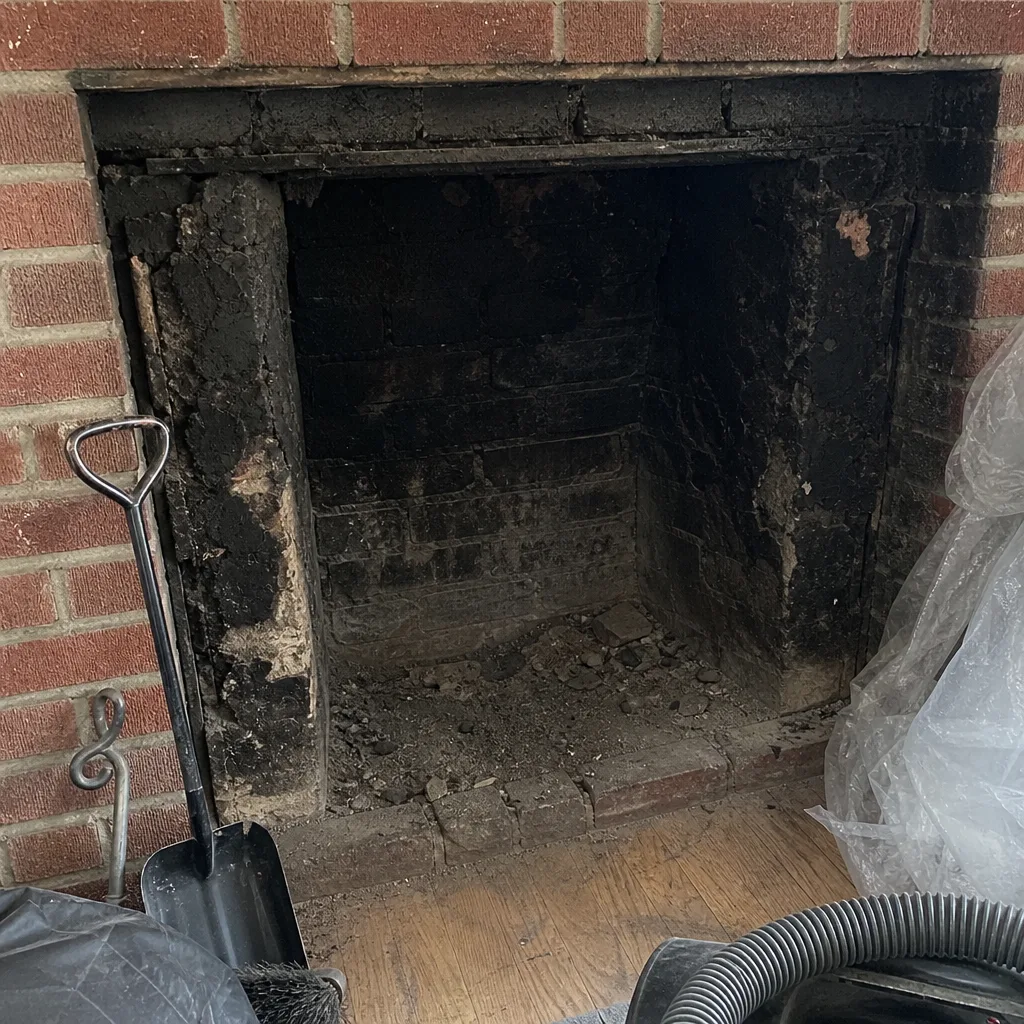
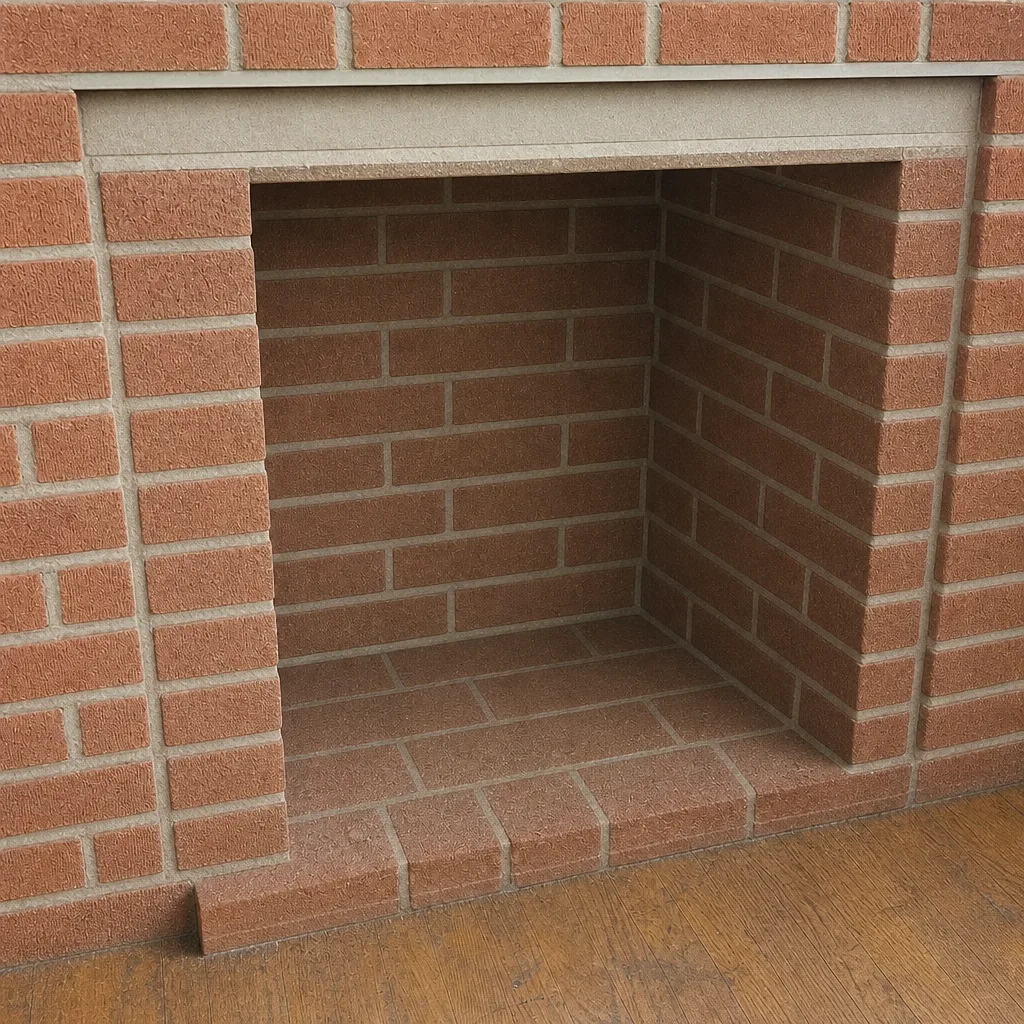
See the difference
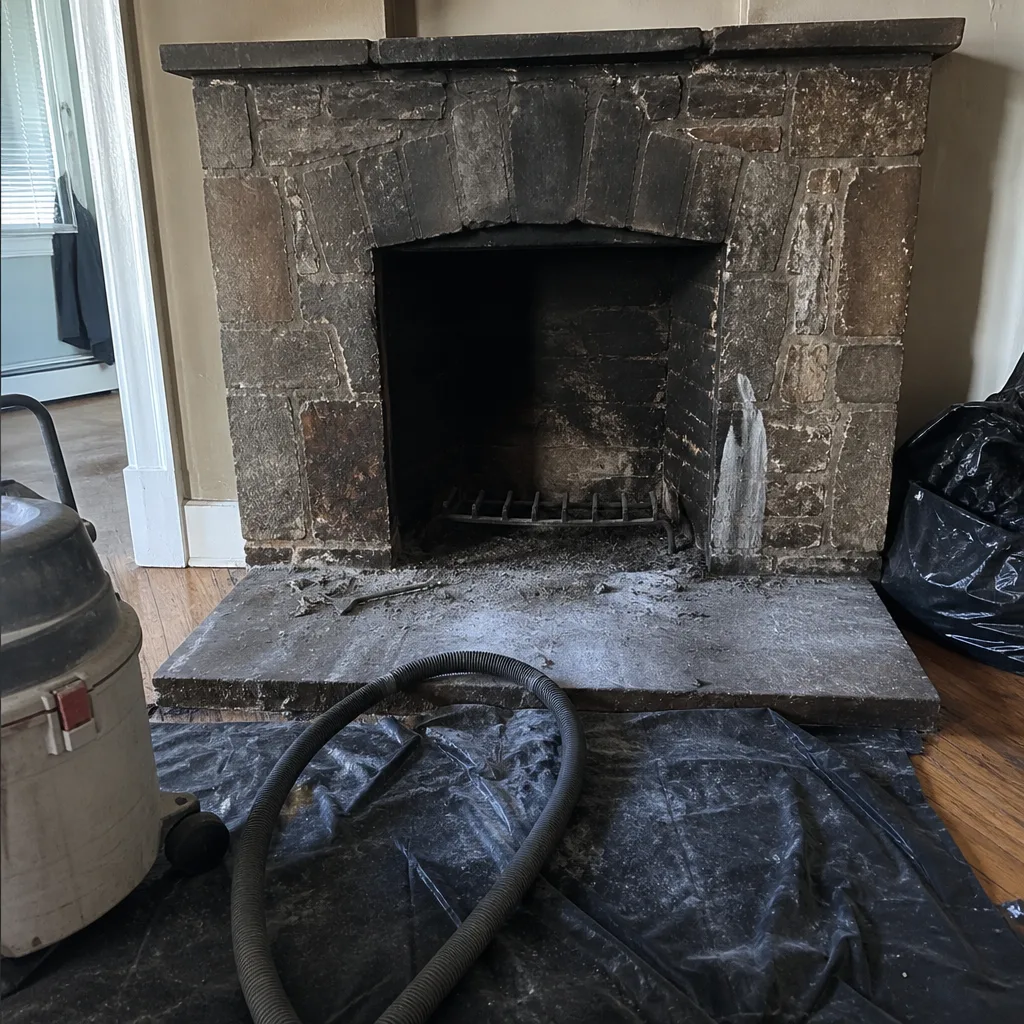 Before
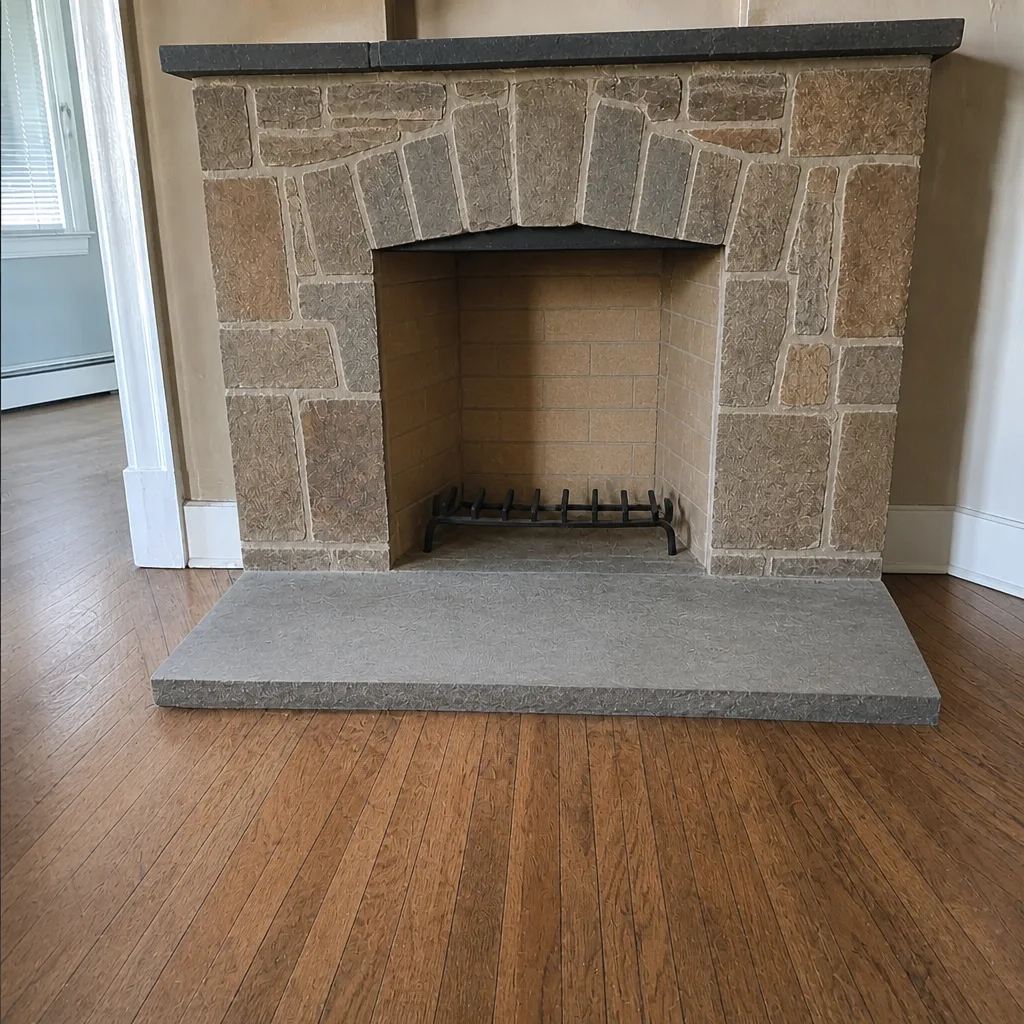 After
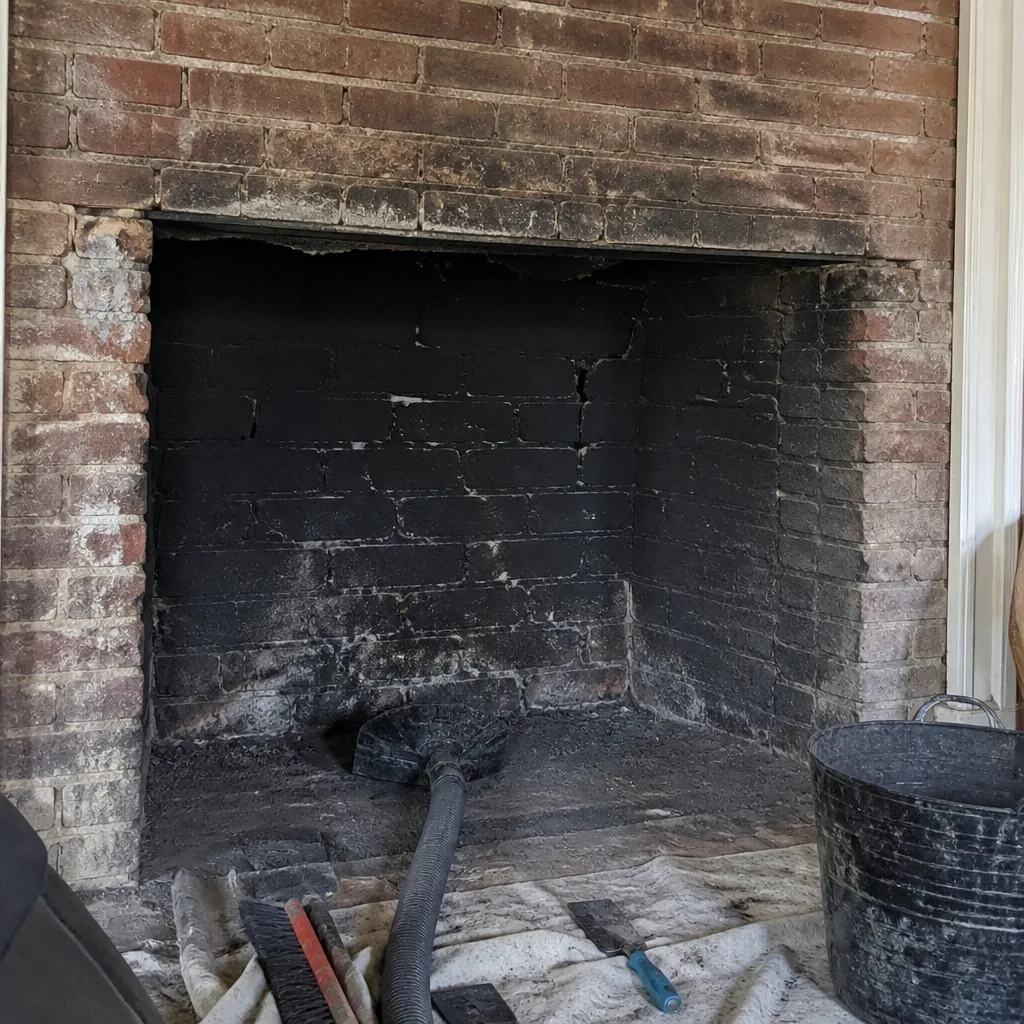 Before
 After
 Before
 After
When to Call a Professional
Call a professional when the work crosses from cleaning into alteration, when there’s any question about a permit, when an appliance change is part of the plan, or when you’re buying or selling an East Harlem property and need a Level 2 inspection on the record. Call us if you’ve been told a repair is needed and you want the scan to prove it before you commit to a four-figure job. Call us if a contractor has quoted a liner replacement without mentioning a filing. Call us if there’s an open violation on the property and you need to know what it actually requires. Chimney Sweep East Harlem offers free estimates in East Harlem. Call (844) 482-6205. We answer 24/7. Fast dispatch from 7am to 7pm, Sunday through Friday.
Frequently Asked Questions
No. A routine chimney cleaning is maintenance work and doesn’t require a DOB permit in East Harlem or anywhere else in New York City. The permit question only comes up when the work changes the chimney as a system, such as a liner replacement, a structural repair, or a new appliance connection. Call (844) 482-6205 for an exact quote. Estimates are free.
Yes, in most cases. Replacing or relining a flue changes the chimney as a system, which puts it in the alteration category rather than maintenance, and alteration work generally requires a DOB filing pulled by a licensed professional. Ask any contractor quoting a reline to tell you in writing whether the job will be filed. If they can’t answer, that’s your answer.
The permit is the city’s authorization for the scope of work at a specific address; the Certificate of Fitness is an individual’s credential to perform a specific fire-code-regulated activity. F-01 and F-03 are Certificate of Fitness categories relevant to chimney and flue work. For alteration jobs, ask for the permit number, the license, and the certificate if fire-code-regulated equipment is involved.
It can. If your building is in a designated historic district or individually landmarked, exterior chimney work that changes the visible appearance of the building usually needs LPC review before the DOB filing. Interior work that isn’t visible from a public way generally doesn’t. Check the building’s status first, then scope the work. If the LPC applies, get the approval before anything changes on the roof.
Search the Department of Buildings public records by address. The property’s violation history, permits, and filings are all there and free to view. Look for the exact status of the violation (open versus resolved), and if you’re buying, ask the seller for the certificate of correction on anything that shows as resolved but undocumented. Call (844) 482-6205 for an exact quote. Estimates are free.
That’s a question only a camera can answer. If the clay tile liner has deteriorated but the structure is still sound, a HeatShield resurfacing can restore the flue without a full replacement. If the liner is cracked through, missing sections, or the flue shape is irregular or offset, a DuraFlex flexible liner is usually the right call. You should see the video scan before you commit to either. Nothing gets recommended here without evidence you can look at yourself, and if the work can safely wait, we’ll tell you that too.
The Bottom Line
In East Harlem, a sweep is maintenance, and a reline, a rebuild, or an appliance connection is an alteration that needs a filing. That’s the line, and most chimney disputes between homeowners and contractors come down to someone crossing it without saying so. Verify the permit history before you buy, verify it after any alteration, and keep the paperwork where you can find it. If someone quotes a big repair without a camera scan, ask to see the evidence. Our technicians have up to 13 years of experience, and we carry and install the brands professionals trust, like HeatShield and Gelco, because the right materials are what make a repair last. If you’re not sure where your job sits, call and ask.
Ready to sort out the permit question or schedule an inspection? Call Chimney Sweep East Harlem at (844) 482-6205 for a free estimate. We answer 24/7. Fast dispatch from 7am to 7pm, Sunday through Friday.
Written by the team at Chimney Sweep East Harlem.