
Last updated November 25, 2026
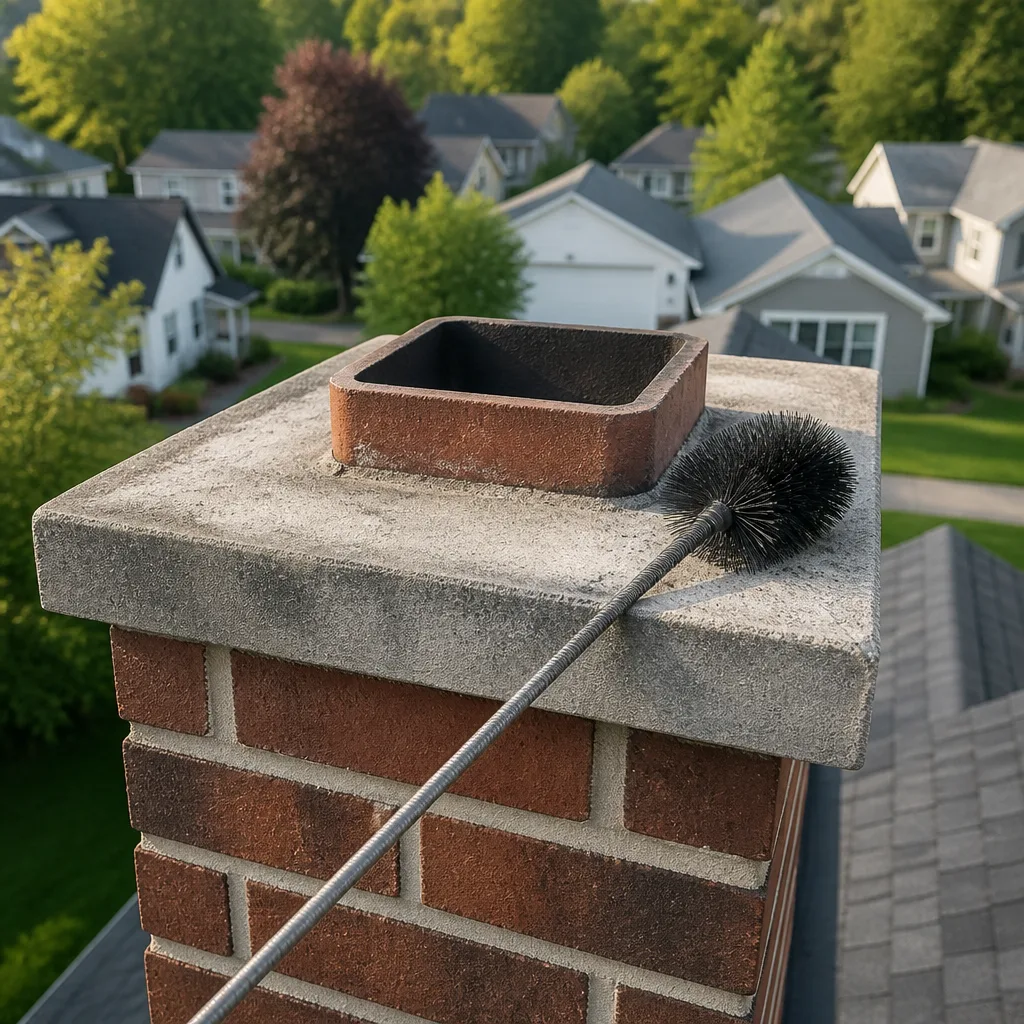 Sweep & inspection
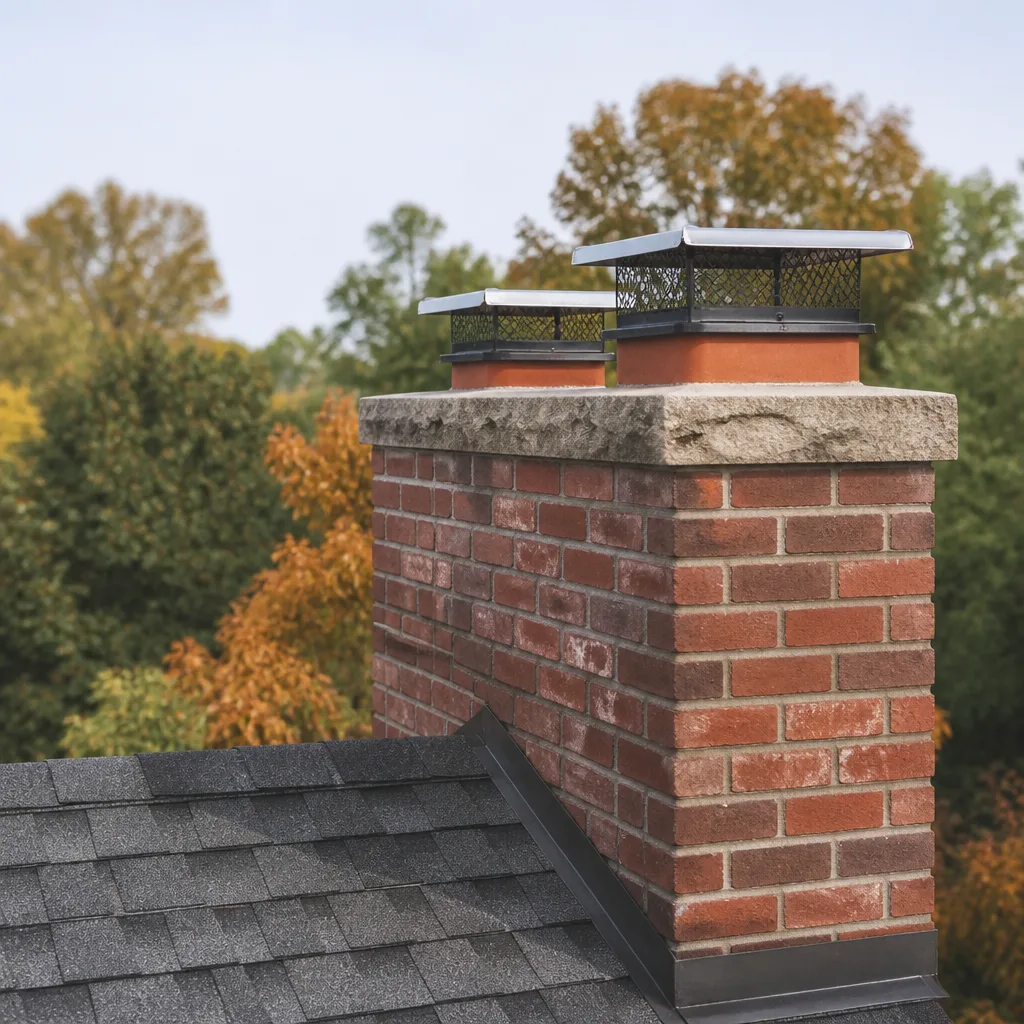 Caps & crowns
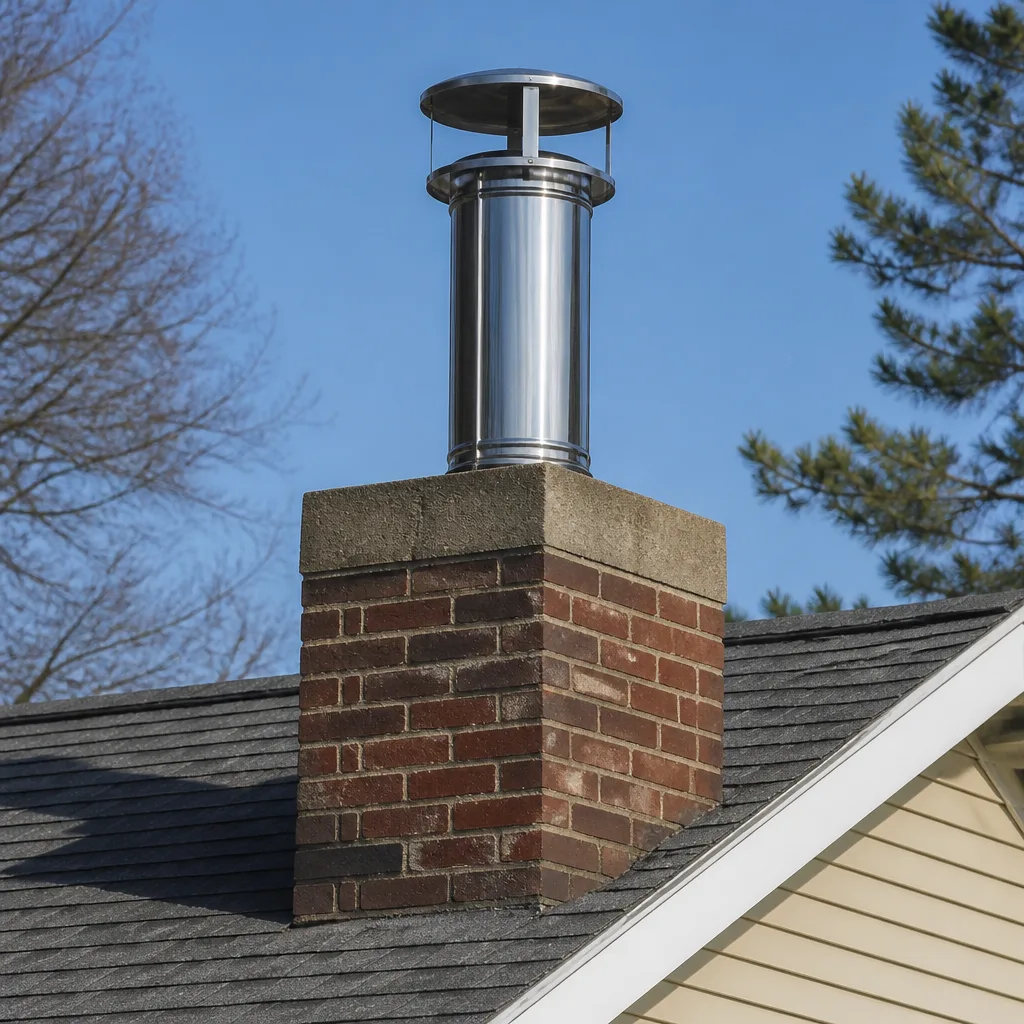 Flue relining
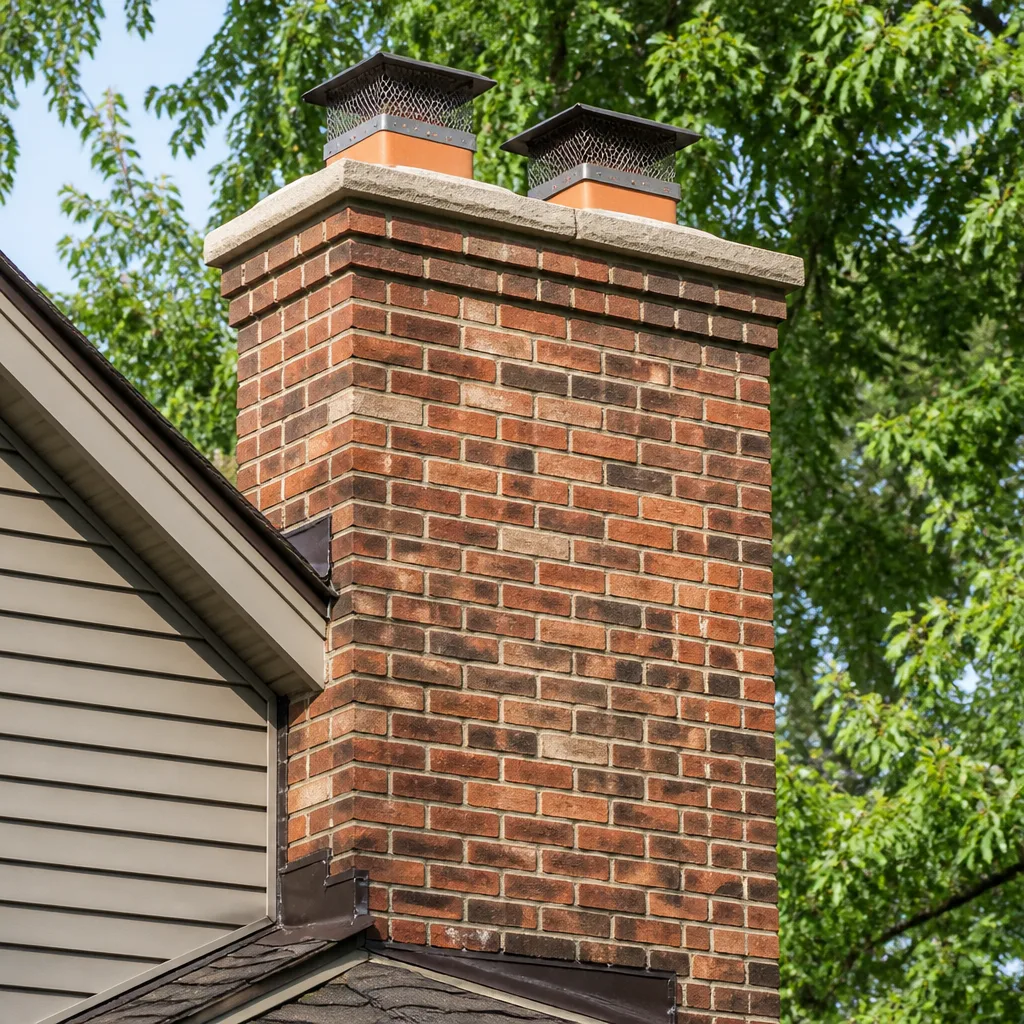 Masonry repair
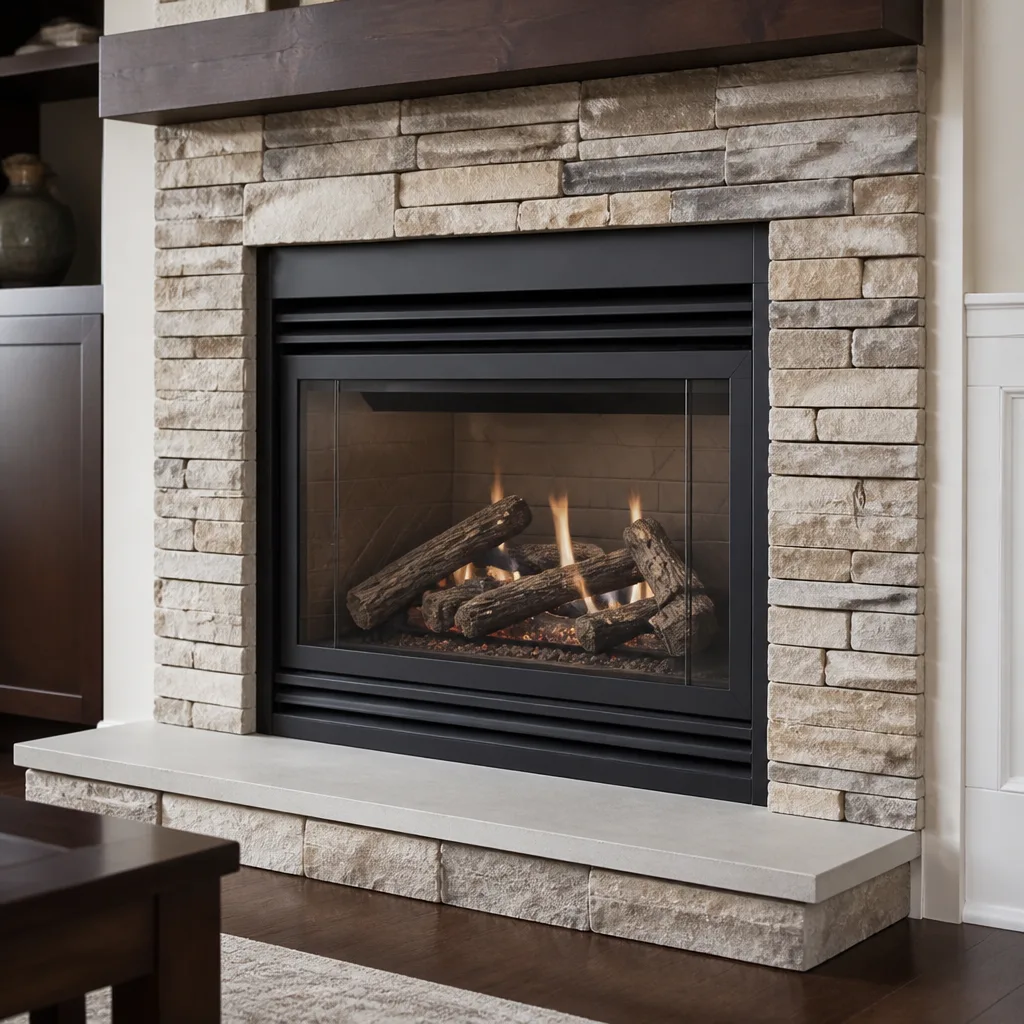 Gas fireplace service
Level 1 sweep and inspection to the NFPA 211 annual standard - flue, crown, cap, and flashing checked and photographed
Chimney sweep logs do not sweep chimneys. They loosen some creosote - which then falls where a brush and vacuum still have to collect it.
Chimney Cleaning Cost Breakdown: The East Harlem Homeowner’s Reference for 2026
A $99 chimney sweep special and a $350 professional cleaning can both be called “chimney cleaning” – the difference is what gets inspected, documented, and actually removed, and in a pre-war East Harlem building, that gap matters. Most online price guides quote a flat national number and stop there. They don’t account for the six-flue tenement chimney stack, the roof hatch three flights up, or the fact that the flue was relined in 1987 and nobody has looked at it since. This reference breaks down what chimney cleaning actually costs in East Harlem in 2026, line by line, so you can read a scope of work and spot what’s missing before anyone climbs onto your roof.
Quick Answer
In East Harlem in 2026, a basic chimney cleaning for a single flue typically runs $150 to $275. Add a Level 2 video inspection and you’re usually in the $250 to $450 range. Multi-flue tenement chimneys, difficult roof access, and stage 2 creosote removal push the total higher – $400 to $850 is common for a full-scope job on an older brick building. Any written estimate should set the final price before work starts, and that estimate should be free.
Styles & brands we work with
- Sweep & inspection
- Caps & crowns
- Flue relining
- Masonry repair
- Gas fireplace service
Table of Contents
- The 2026 East Harlem Chimney Cost Breakdown, Line by Line
- Why East Harlem Buildings Cost More to Clean Than the Advertised Price Suggests
- What a Low Quote Usually Leaves Out
- When a Cleaning Turns Into a Repair: Caught Early vs. Caught Late
- Legitimate Add-On Services vs. Upsells That Rarely Justify the Cost
- Level 1, Level 2, and Level 3: What You’re Paying For
- Creosote Stages and Why Stage 2 Changes the Price
- How to Read a Chimney Estimate Before You Book
The 2026 East Harlem Chimney Cost Breakdown, Line by Line
Most chimney companies quote a bundled price. That’s convenient, but it makes it hard to tell whether you’re paying for real work or for a service that wasn’t performed. Here’s how the pieces break out in the East Harlem market for 2026, so you can compare apples to apples.
| Line Item | Typical Estimated Range (2026) | What It Covers |
|---|---|---|
| Basic sweep (single flue, wood-burning) | $150 – $275 | Brushing the flue, removing soot and creosote, firebox and smoke chamber clean, basic visual check |
| Level 1 inspection | $0 – $100 (often bundled with a sweep) | Visual check of accessible portions: firebox, damper, smoke chamber, visible flue, cap, crown |
| Level 2 video inspection | $250 – $450 | Camera scan of the full flue, photo documentation, written report |
| Stage 2 creosote removal | $150 – $500 additional | Removal of glazed or hardened creosote, which requires chemical treatment and mechanical tools |
| Cap and crown repair or replacement | $150 – $900 depending on scope | Cap replacement, crown sealing, or crown rebuild on a deteriorated masonry top |
| Multi-flue tenement chimney cleaning | $400 – $850 | Sweeping more than one flue on the same stack, each with its own firebox and damper |
Those ranges assume the chimney is in reasonable condition and the roof is accessible by a standard ladder or hatch. In East Harlem, that last part is where costs start to move. A brick tenement with a rooftop bulkhead and a six-flue stack isn’t the same job as a suburban ranch with a single exterior chimney, and the price should reflect it.
It’s also worth knowing what “cleaned” means. A proper sweep removes the creosote that causes chimney fires, but it doesn’t fix a cracked flue tile, a rusted cap, or a crown that’s letting water in. Those are separate line items, and a good company will tell you exactly which ones apply to your chimney after they’ve looked at it – not before. Our technicians have up to 13 years of experience, and in that time the single most common thing we’ve seen is a homeowner who paid for a “cleaning” that never touched the flue.
Why East Harlem Buildings Cost More to Clean Than the Advertised Price Suggests
East Harlem’s housing stock is the main reason national averages don’t translate cleanly to the zip code. Walk through El Barrio, down around Jefferson Park, or past the older rowhouses off Pleasant Avenue, and the chimneys look different from what a price guide assumes. Here’s what actually drives the number up.
- Multi-flue stacks. Tenement buildings from the early 1900s often have four to six flues on a single chimney stack, each serving a separate fireplace or heating flue. A flat sweep price covers one flue. When you have six, the work multiplies even though the chimney appears to be a single structure.
- Restricted roof access. Many East Harlem buildings reach the roof through an interior bulkhead hatch with a narrow stairwell, not an exterior ladder. That means the technician carries equipment up and down, works inside the footprint, and takes longer to set up and clean up. Some roofs are also shared between buildings, so the chimney may sit at a parapet edge that requires extra safety setup.
- Non-standard flue heights and offsets. Pre-war construction doesn’t always follow modern flue sizing. Chimneys may have offsets, oversized or undersized clay tiles, or upper-flue sections that angle rather than run straight. A rigid brush can’t always follow the run; the technician has to switch tools, which adds time and, in some cases, requires flexible equipment.
- Interior fireplaces that were converted. As buildings changed hands and heating systems changed, fireplaces got capped, sealed, or used for gas. Gas appliances vented through a masonry chimney still accumulate deposits, but the cleaning method differs from wood.
- Water intrusion and masonry wear. East Harlem’s freeze-thaw winters and summer humidity work on brick and mortar over time. Crowns crack, mortar joints erode, and caps rust out. If any of that shows up before or during a sweep, it has to be addressed or the cleaning doesn’t last.
None of this is an excuse to charge more for the same work. It’s a reason the same job costs more when the building itself is more complex, and it’s why a $99 flat rate almost never covers what an East Harlem chimney actually needs. When we give an estimate, the line items reflect what your specific building requires, not a template.
What a Low Quote Usually Leaves Out
Low quotes aren’t automatically dishonest, but they do share certain characteristics. They tend to skip anything that takes time and isn’t visible from the street. Here’s what a $99 or $149 sweep typically doesn’t include, and why that matters when you’re deciding what to book.
- Any real inspection. A sweep without a Level 1 visual check doesn’t tell you whether the flue is cracked, the crown is failing, or the cap is missing. You get a clean flue and no information.
- Documentation. A proper cleaning comes with photo documentation of what was found. A flat-rate sweep rarely does, which means if something fails later, there’s no record of what the technician saw.
- Multi-flue pricing. The quote covers one flue. The East Harlem building has four. You’ll find out when the technician is on the roof and asks whether you want the rest done “while he’s up there.” That’s a scope change, and it’s not in the price you agreed to.
- Creosote stage assessment. Stage 2 creosote looks like a thin glaze from the top and feels like hardened tar from the bottom. Removing it takes chemical treatment and mechanical tools beyond a standard brush. If the quote didn’t include it, you’ll be told on the roof that it costs extra.
- Access preparation. Getting to the roof through a bulkhead hatch, moving equipment through a shared stairwell, or laying protective drop cloths in a finished living room – these are labor, and they’re usually outside a flat rate.
- Disposal and cleanup after. Soot and creosote have to be bagged and removed, and the firebox has to be cleaned afterward. Cheap prices often mean a sweep that leaves the debris behind.
The reliable way to compare quotes is to look at the scope, not just the number. Ask for line items. Ask whether the inspection level is specified. Ask whether multi-flue pricing is included. If the quote is one number with no breakdown, the gaps are somewhere, and you’ll find them once the work has started.
When a Cleaning Turns Into a Repair: Caught Early vs. Caught Late
Chimney work is like most home maintenance: the cost of catching a problem early and the cost of catching it late are not the same thing. A cleaning is the moment when problems get found. Whether you fix them at that moment or later depends on what was found and how it was caught. Here’s how those two paths look in real numbers for East Harlem.
Caught early, at the cleaning
- Basic sweep: $150 to $275
- Level 1 inspection (bundled or nominal): $0 to $100
- Cap replacement or crown sealing: $150 to $400
- Total: roughly $300 to $775 for a cleaned, sealed, protected chimney
Caught late, after water has been getting in
- Basic sweep: $150 to $275
- Level 2 video inspection to find the source of the problem: $250 to $450
- Masonry crown rebuild and mortar repair: $400 to $900
- Flue relining, if the liner has cracked: $1,800 to $4,500 depending on flue length, configuration, and whether a flexible stainless system such as DuraFlex is required to navigate an offset flue
- Total: roughly $2,600 to $6,000+ for a repair that started as a cracked crown
The difference is not a scare tactic. It’s the arithmetic of deferred maintenance. A cracked crown lets water into the masonry above the firebox. Water freezes and expands in winter, cracks propagate, and eventually the clay tiles that line the flue crack and spall. Once tiles are damaged, the chimney can’t be safely used for a wood fire without relining. The liner itself is expensive; the fix that would have prevented it was a fraction of that.
When we look at a chimney, we’re honest about which category you’re in. Not every crack needs repair now. Some can wait and be monitored. What we won’t do is tell you the flue needs relining when the tiles are intact, because that’s a decision the photos will support or they won’t. If a repair can wait, we say so.
Legitimate Add-On Services vs. Upsells That Rarely Justify the Cost
Every chimney company has services it recommends beyond a sweep. Some of those genuinely extend the life of your chimney; some are add-ons that don’t make sense on a chimney that’s already in good shape. Here’s how to tell the difference.
Services worth offering when the condition calls for them
- HeatShield flue resurfacing. HeatShield is a restoration system that coats and smooths a deteriorating clay tile liner from the inside, sealing small cracks and extending the useful life of a liner that isn’t damaged enough to require full replacement. It’s a legitimate alternative to relining in the right conditions, and it’s cheaper than a new liner.
- Waterproofing treatment on the masonry. East Harlem’s freeze-thaw cycles are tough on brick and mortar. A breathable waterproofing treatment – applied correctly – reduces water absorption without trapping moisture inside the wall, which is the failure mode of the wrong kind of sealer.
- Cap replacement or a custom-fit cap. A missing or rusted cap is the single most common cause of water intrusion in East Harlem. A proper stainless or copper cap made to fit the flue opening (Copperfield and Gelco are brands we work with) pays for itself in avoided masonry repairs.
- Crown repair or rebuild. The crown is the sloped concrete or mortar top of the chimney. When it cracks or separates from the masonry, water runs down into the chimney. Repairing it is preventative work with a clear return.
- Flexible stainless relining with DuraFlex. When the original liner is badly damaged or the flue is offset in a way that a rigid liner can’t navigate, a DuraFlex system is the standard solution. It’s not an upsell; it’s the only correct way to make the chimney safe to use again.
Services that are often unnecessary on a sound chimney
- A “flue cleaning spray” or “creosote reducer” that doesn’t remove anything. Cleaning is mechanical; a spray doesn’t replace brushing.
- Full relining recommended without a Level 2 inspection or photographic evidence. A liner recommendation should be backed by what’s on camera.
- Rebuilding a crown that only needs sealing, or vice versa. Either can be right; the inspection should determine which.
- Annual waterproofing on a chimney that was recently sealed. Once is usually enough for several years.
Our approach on any East Harlem job is to diagnose first, then recommend. A sweep, inspection, and the work that follows come from what we find, not from a service package we’re trying to sell.
Level 1, Level 2, and Level 3: What You’re Paying For
Chimney inspections are classified in three levels, and knowing which level you’re buying is the difference between a genuine diagnostic and a look at the firebox. Here’s the breakdown, and which level applies in what situation.
- Level 1 inspection. A visual check of the readily accessible portions of the chimney: firebox, damper, smoke chamber, visible flue from the firebox, chimney exterior, cap, and crown. No camera. Level 1 is appropriate when the chimney is being used as it always has been and there’s no known problem. It’s often bundled into a routine sweep at little or no additional cost.
- Level 2 inspection. Everything in Level 1, plus a video scan of the full flue interior and photo documentation of findings, with a written report. This is the level to request when the building has changed hands, when a heating appliance was replaced, after a chimney fire, when there’s been storm damage, or when you’re buying or selling a property. Level 2 is the one that catches a cracked flue tile, an offset section, or a hidden obstruction. In East Harlem, where buildings change hands regularly and equipment gets replaced across decades, Level 2 is the realistic baseline for a chimney being used in a pre-war building.
- Level 3 inspection. Everything in Levels 1 and 2, plus opening portions of the chimney structure – a wall or ceiling – to access parts of the chimney that can’t be seen otherwise. This only happens when a Level 2 has found a problem that requires direct access to diagnose or repair. It’s rare, and it should only be recommended with a specific reason.
For most East Harlem homeowners, the practical question is Level 1 vs. Level 2. Level 1 tells you the chimney looks fine from the firebox and the roof. Level 2 tells you what’s happening inside the flue. If you’re about to spend money on repairs, or if nobody has looked at the chimney since the last century, Level 2 is the one that gives you information.
The other thing a Level 2 inspection does is protect the homeowner from a bad recommendation. When you have photos, you can tell whether a proposed repair is justified. “You need a new liner” is an opinion. A video scan, a photo of the damaged tile, and a written report is evidence. That’s a service we insist on before recommending any significant work.
Creosote Stages and Why Stage 2 Changes the Price
Creosote is the tar-like residue that builds up inside a chimney when wood burns. It’s the fuel for chimney fires, and it forms in stages that each require a different level of cleaning. Understanding the stages explains why two chimneys that look similar from the street can cost very different amounts to clean.
- Stage 1 creosote. A dusty, soot-like deposit that brushes off easily. A standard sweep removes it in a matter of minutes. This is what a well-maintained chimney usually shows.
- Stage 2 creosote. A hardened, sometimes glazed crust that doesn’t brush off. It forms when the wood burned was wet, the fire was frequently smoldered, or the chimney was allowed to run cold. Removing stage 2 creosote requires chemical treatment to soften the deposit and then mechanical tools – rotary brushes or scraping tools – to take it off the flue wall. It takes significantly more time and equipment than stage 1.
- Stage 3 creosote. A heavy, tar-like coating that has puddled and hardened. Stage 3 creosote is the most likely fuel for a dangerous chimney fire, and it often requires chemical treatment over time, sometimes in more than one visit, followed by removal tools. In severe cases it can point to a flue that needs more than cleaning.
In East Harlem, stage 2 creosote is common. Many older fireplaces have burned whatever wood was available, sometimes used fireplaces less frequently, and often sat idle for years. Soot and creosote build up differently when a fire burns infrequently than when it burns daily. The technician on your roof can usually tell within a few minutes which stage they’re looking at, and the price should reflect that – not a surcharge added after the fact.
Removing stage 2 or stage 3 creosote is a safety service, not a cosmetic one. Chimney fires don’t always announce themselves; some burn hot and short, others smolder and damage the flue quietly. Cleaning that removes the fuel is the point. Anything that leaves the creosote in place isn’t a full sweep.
How to Read a Chimney Estimate Before You Book
A chimney estimate should tell you exactly what’s being done, for how much, and why. If it doesn’t, it isn’t a real estimate – it’s a starting price. Here’s what to look for in the written estimate before you book.
- Line items, not a single number. The estimate should list the sweep, the inspection level, and any repairs separately. Bundled pricing hides gaps.
- Flue count. Confirm whether the price covers one flue or all of them. In a multi-flue East Harlem building, this is the difference between $200 and $700.
- Inspection level stated explicitly. “Inspection included” without a level means Level 1 at best. If you need a Level 2, it should be named in the estimate.
- Photo documentation promised in writing. Any estimate that includes inspection should say that photos and a written report are part of the job.
- Repairs identified as “if found.” A good estimate notes potential repairs (cap, crown, creosote stage) as contingencies with their own price ranges, not as surprise charges.
- Final price before work begins. The written estimate sets the defined price. If the scope changes when the technician is on the roof, you should be told and agree before the work continues.
- Who does the work, and with what. Ask whether the company does liner work and repairs themselves or refers them out. A single team doing diagnosis and repair under one roof is a better fit for a job that might turn from a cleaning into a repair mid-visit.
Our estimates are free, and they’re written before we book the job. If the sweep turns up something that wasn’t in the estimate, we tell you and agree on the new scope before proceeding. That’s how a $150 sweep stays at $150 when nothing needs repair, and how a $150 sweep becomes a $700 cleaning plus crown repair when the chimney actually needs it.
Common Mistakes to Avoid
- Booking on price alone. The lowest advertised price almost never covers the flue count, the inspection, or the creosote stage. Compare scopes, not numbers.
- Assuming “cleaned” means “inspected.” A sweep without a documented inspection gives you a clean flue and no information about its condition. Ask which level you’re buying.
- Skipping the multi-flue check. In an East Harlem tenement, the flue you use is often one of several on the same stack. If only one is cleaned, the others may still hold creosote. Confirm the flue count in the estimate.
- Ignoring a missing or rusted cap. Water entry through an uncapped chimney is the most common cause of masonry damage we see in older buildings. It’s a cheap fix compared to the rebuilding that follows.
- Accepting a liner recommendation without photos. A relining quote should be backed by a video inspection and a photo of the damage. If you can’t see what’s wrong, don’t agree to the fix.
- Waiting until the fireplace is in use to book. East Harlem’s winter is cold enough that chimney work gets harder to schedule in the cold months. A cleaning in early fall gives you time to plan for any repair that turns up.
- Assuming a gas fireplace doesn’t need attention. Gas appliances vented through a masonry chimney still produce deposits and still require inspection, and the cleaning method is different. Ask about the venting setup when you book.
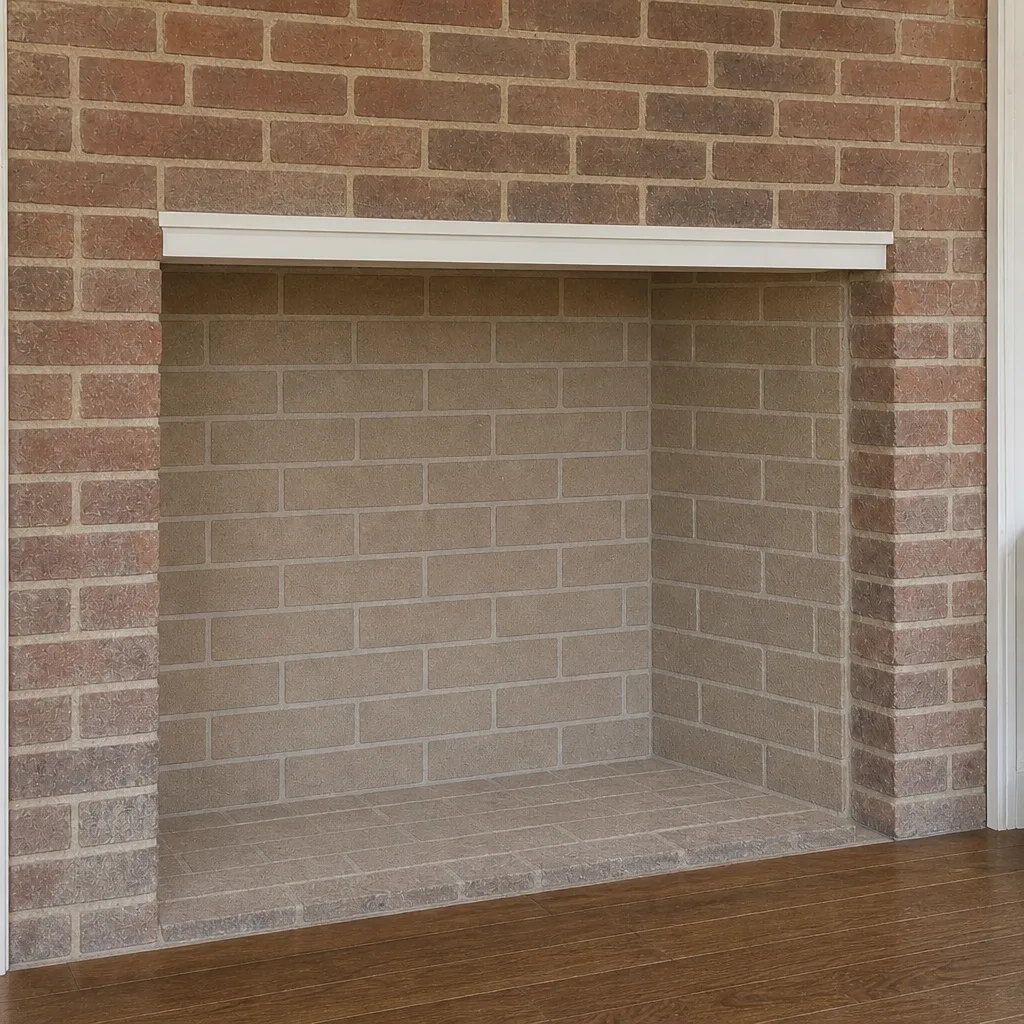
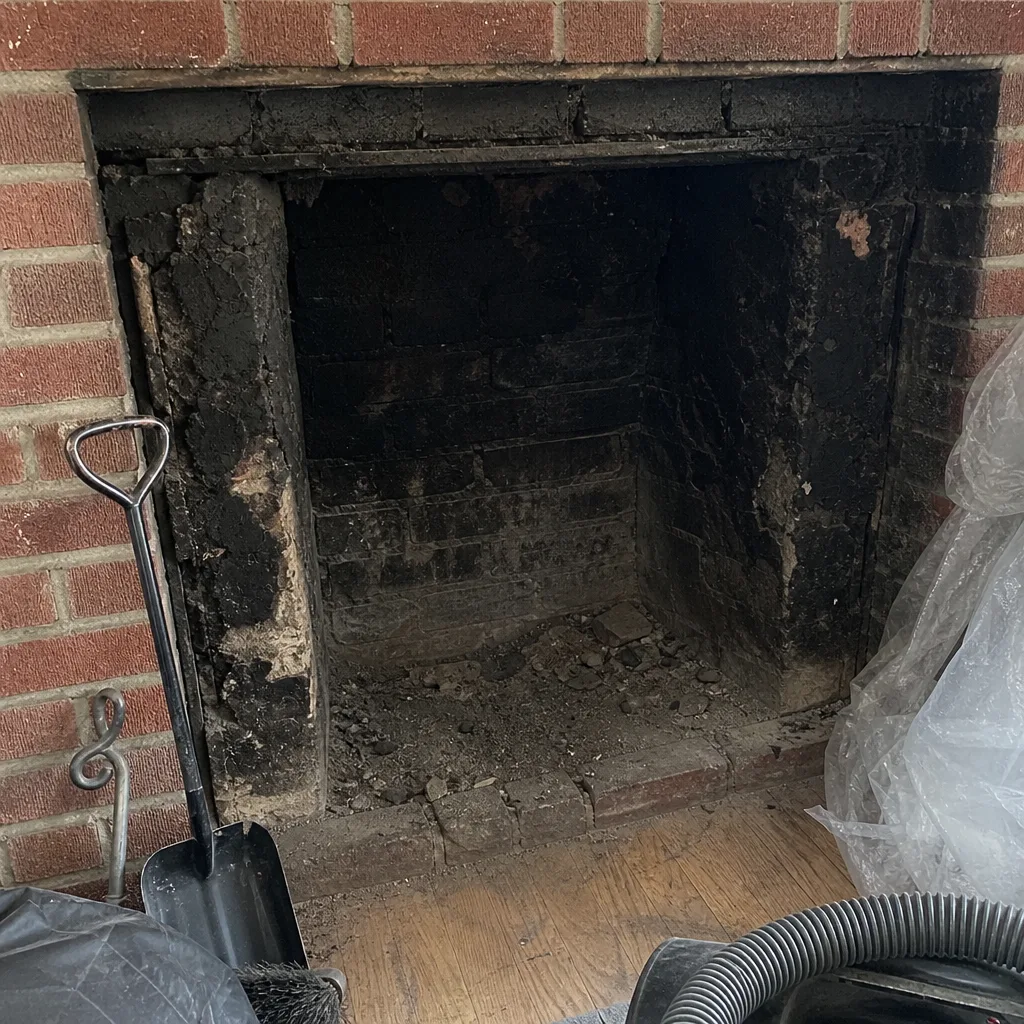
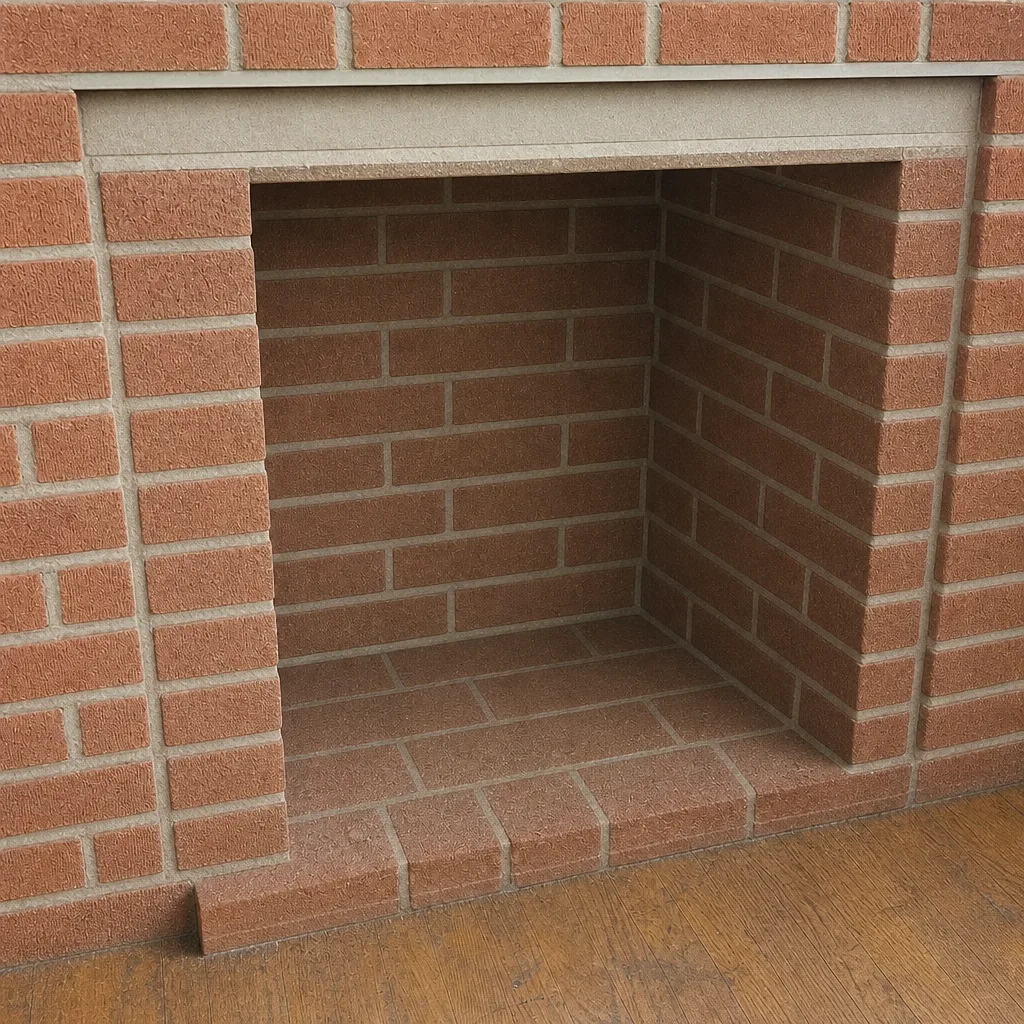
See the difference
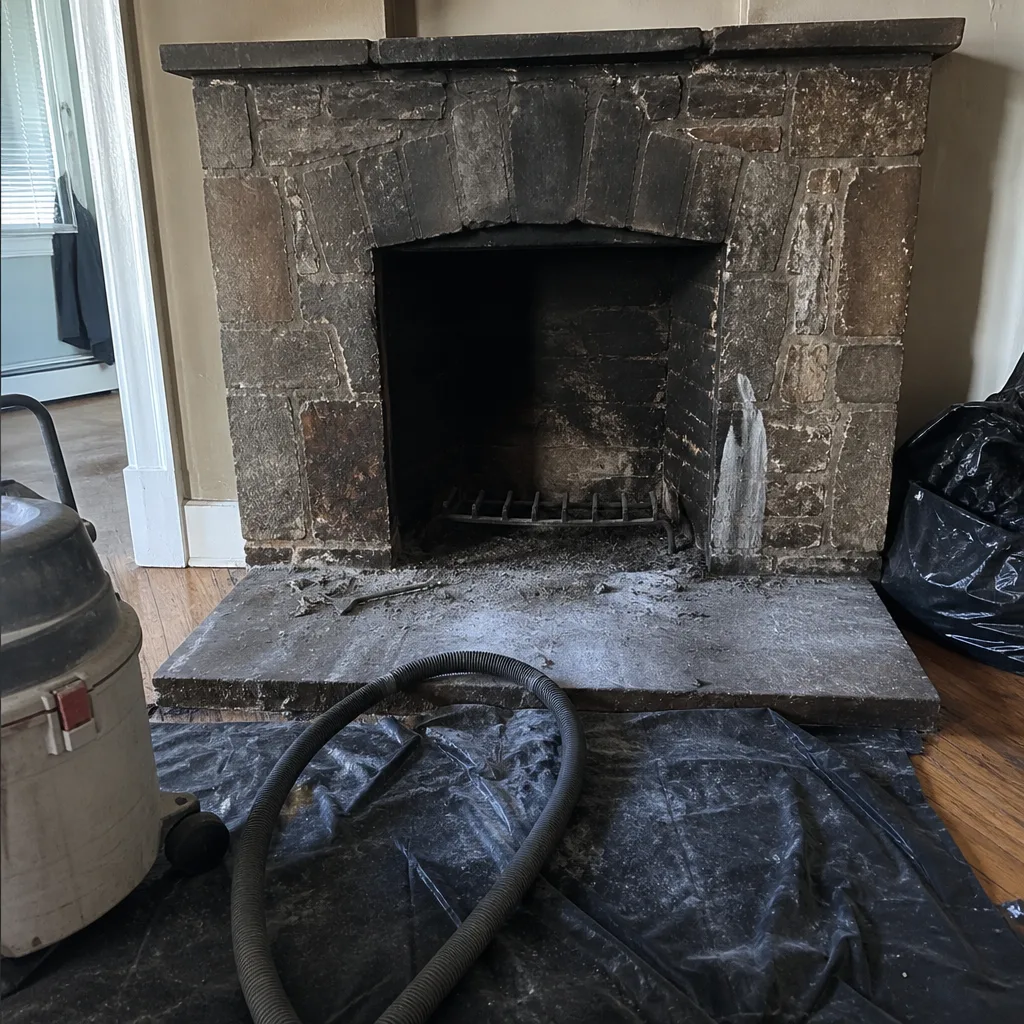 Before
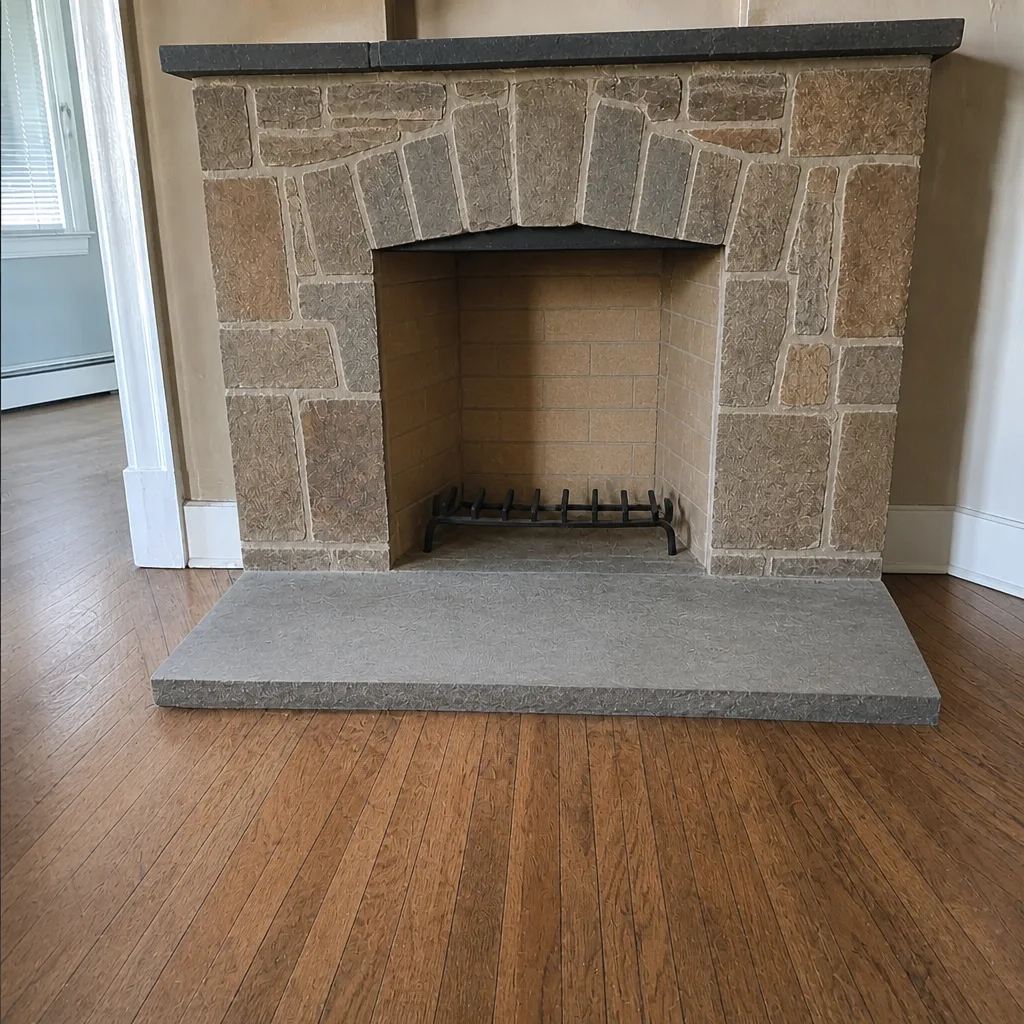 After
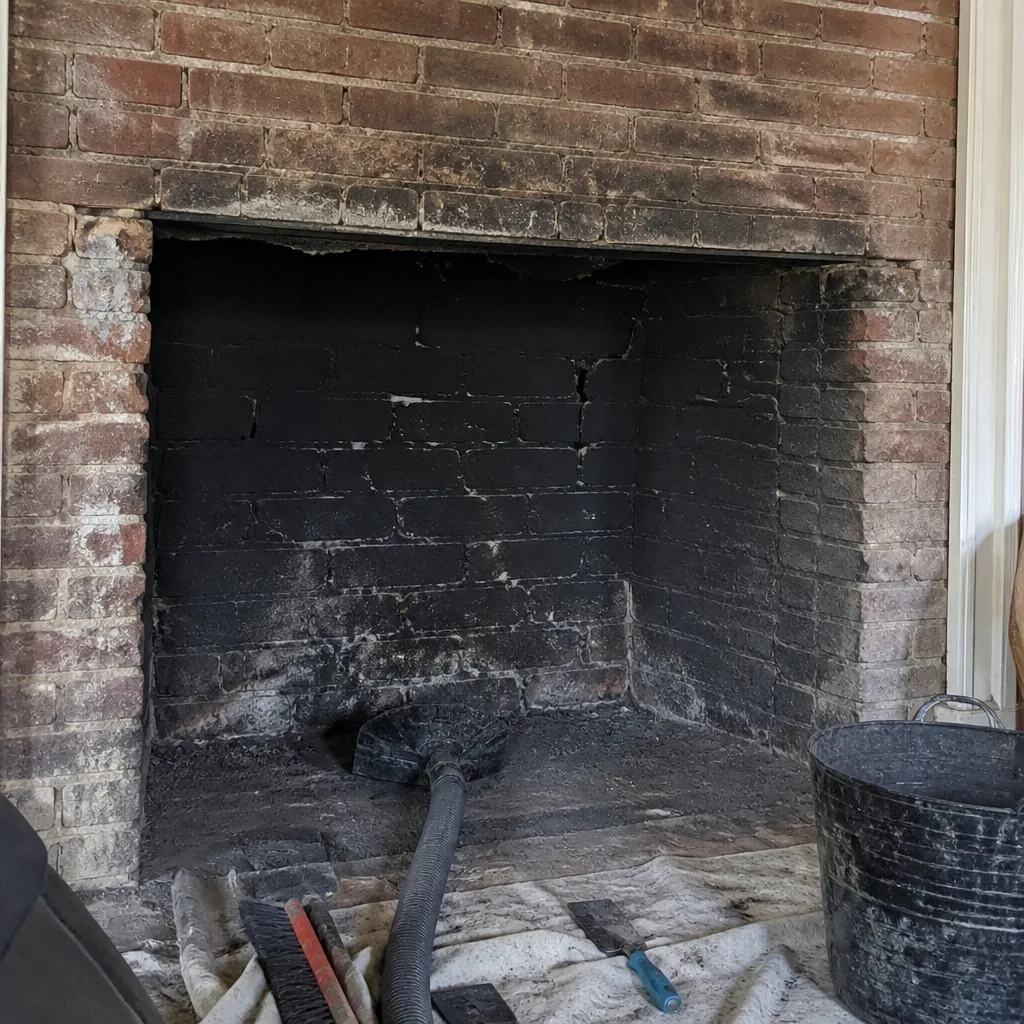 Before
 After
 Before
 After
When to Call a Professional
Some chimney work can wait, and some can’t. Call a professional when the wood you’re burning doesn’t draw cleanly, when smoke backs into the room, when you smell a strong creosote or burnt odor even when the fireplace is cold, or when you notice water staining on the ceiling or brick near the chimney. Also call after any chimney fire, even a small one – the flue needs to be inspected for damage the fire may have caused, which is not something you can determine by looking up from the firebox. If your building is a multi-flue tenement and nobody can remember the last time the chimneys were cleaned, that’s a good reason to book a Level 2 inspection before the next cold season. Any repair recommendation should come with photos you can review on the spot. We can also walk you through chimney cap & crown needs as part of the same visit. Chimney Sweep East Harlem offers free estimates in East Harlem – call (844) 482-6205.
Frequently Asked Questions
A basic single-flue sweep in East Harlem typically runs $150 to $275, and a Level 2 video inspection adds $250 to $450. Multi-flue tenement chimneys and stage 2 creosote removal push the job higher, usually $400 to $850 for a full-scope cleaning. Call (844) 482-6205 for an exact quote – estimates are free.
For a chimney in a pre-war East Harlem building, a Level 2 video inspection is the realistic baseline because it shows what’s actually happening inside the flue. A visual check catches what’s visible from the firebox and roof, but it can’t show a cracked tile, an obstruction, or an offset section. If nobody has looked inside the flue in years, the camera is the only way to know. Call (844) 482-6205 to book one.
Creosote builds up and becomes the fuel for a chimney fire, and in a worst case the fire can spread into the structure of the building. Skipping a sweep also means skipping the inspection, so a cracked flue tile or a failing crown can go unnoticed while water gets into the masonry. Neither problem announces itself until the damage is well advanced. Call (844) 482-6205 and we’ll get you scheduled for a cleaning.
Usually not in full. A $99 sweep typically covers one flue with a basic brush and no inspection or documentation, which doesn’t cover the multi-flue stack in an East Harlem tenement or the creosote stage removal older chimneys often need. Ask what the price includes before you book, and compare the scope against what your building actually requires.
Only if the inspection shows damage that can’t be addressed otherwise. A cracked or spalled clay tile liner that’s still in reasonable condition can sometimes be resurfaced with HeatShield rather than replaced with a full liner. When the flue is offset or badly compromised, a flexible stainless system such as DuraFlex is the standard fix. Either way, a liner recommendation should come with photos and a written report. Call (844) 482-6205 and we’ll walk you through what the camera shows.
For a wood-burning fireplace, most chimney professionals recommend an annual cleaning and inspection, and that’s a good baseline for a pre-war East Harlem building where the flue may have been used by more than one household over decades. If the fireplace is used heavily through the winter, or if wet wood is being burned, consider a mid-season check. If a flue has been unused for years, book a cleaning and Level 2 inspection before using it again.
The Bottom Line
Chimney cleaning in East Harlem in 2026 costs between $150 and $275 for a basic single-flue sweep, and the real number depends on what your building actually has: the number of flues, the roof access, the creosote stage, and whether a repair is needed now or can wait. The best way to know is to get an estimate with line items, a stated inspection level, and photo documentation, and to insist on seeing the evidence before agreeing to any repair. If a quote looks too cheap to cover the work, it probably is. Our estimates are free, our recommendations come with photos, and we’ll tell you plainly when something can wait. Call (844) 482-6205. We answer 24/7. Fast dispatch from 7am to 7pm, Sunday through Friday.
Written by the team at Chimney Sweep East Harlem.