
Last updated November 25, 2026
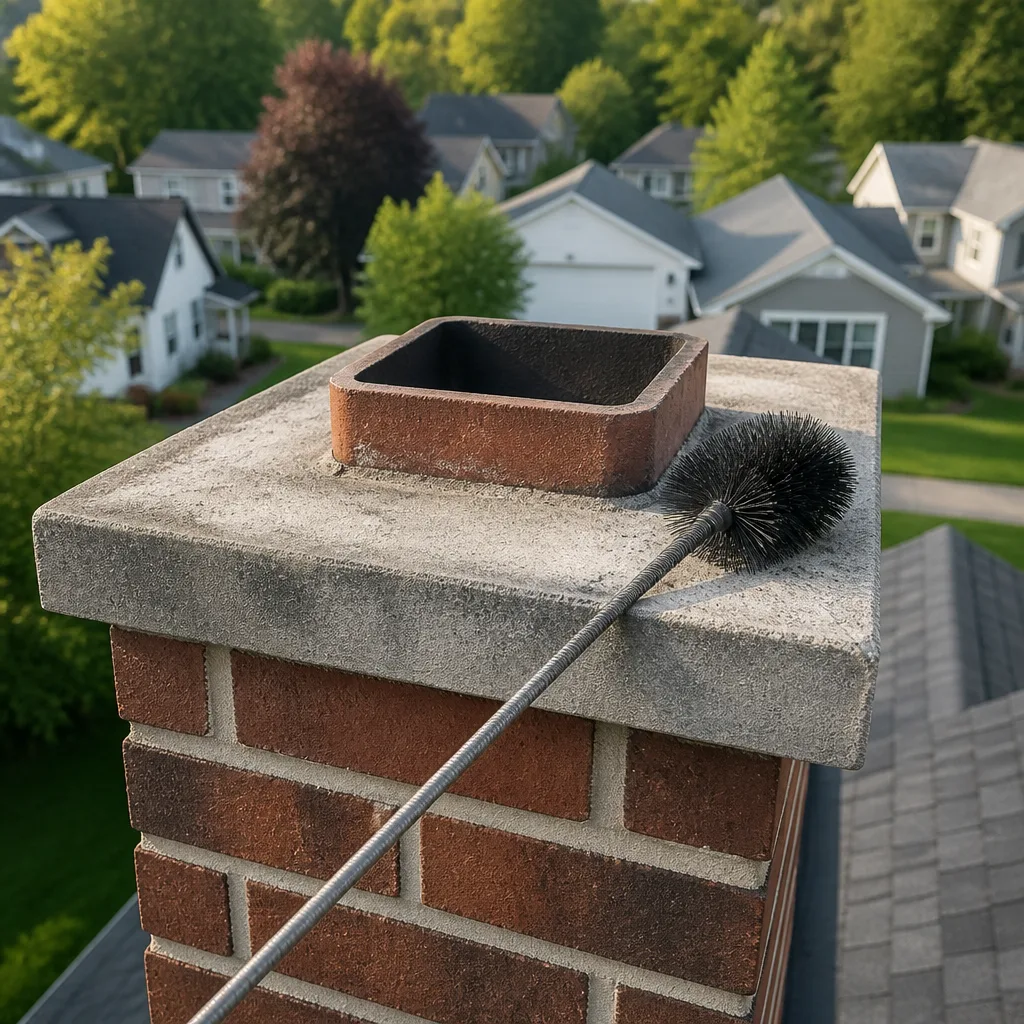 Sweep & inspection
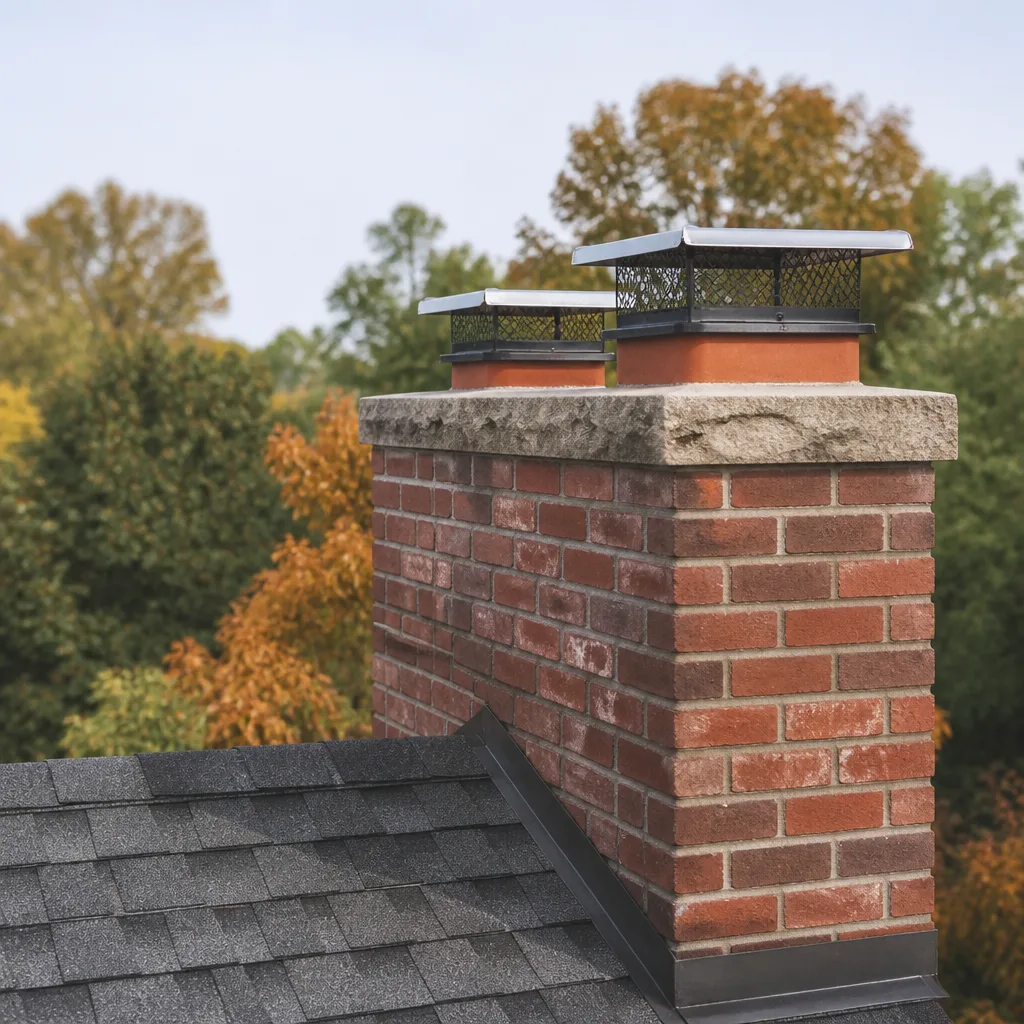 Caps & crowns
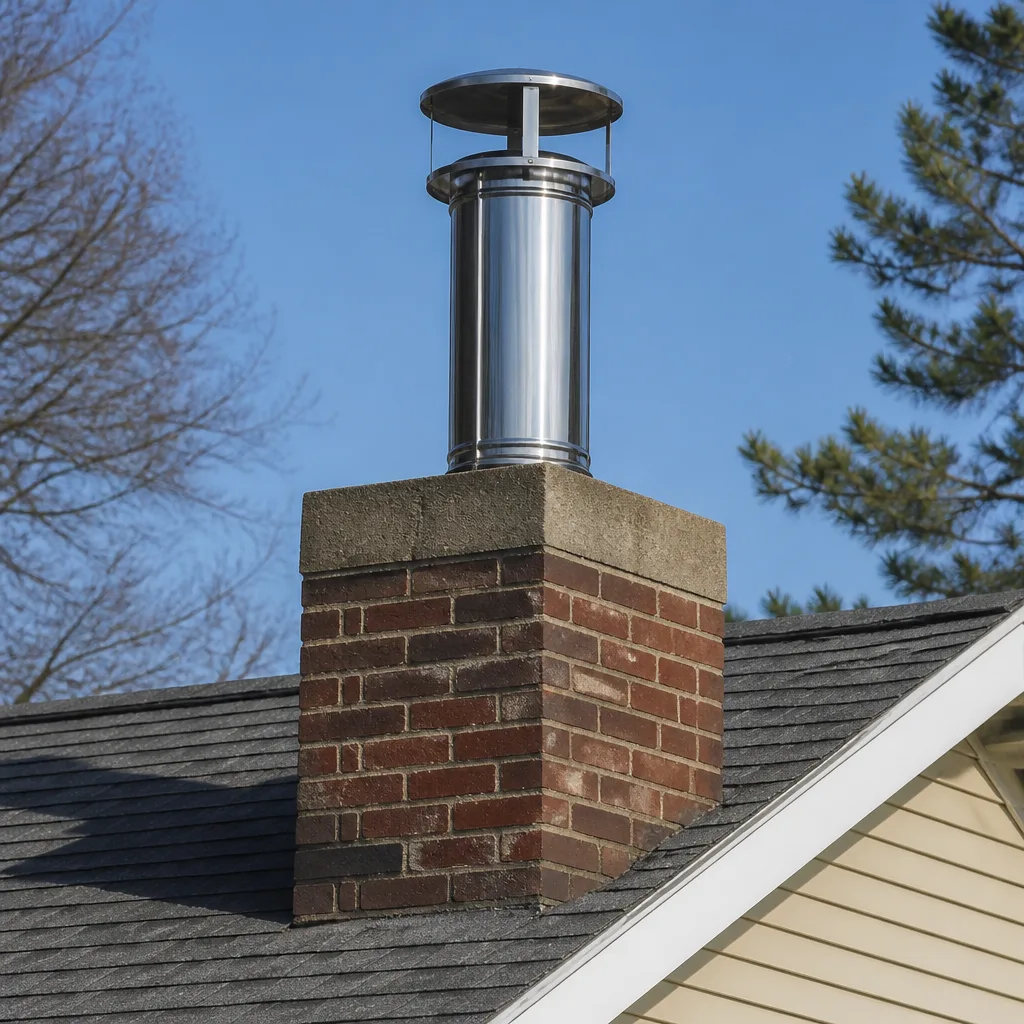 Flue relining
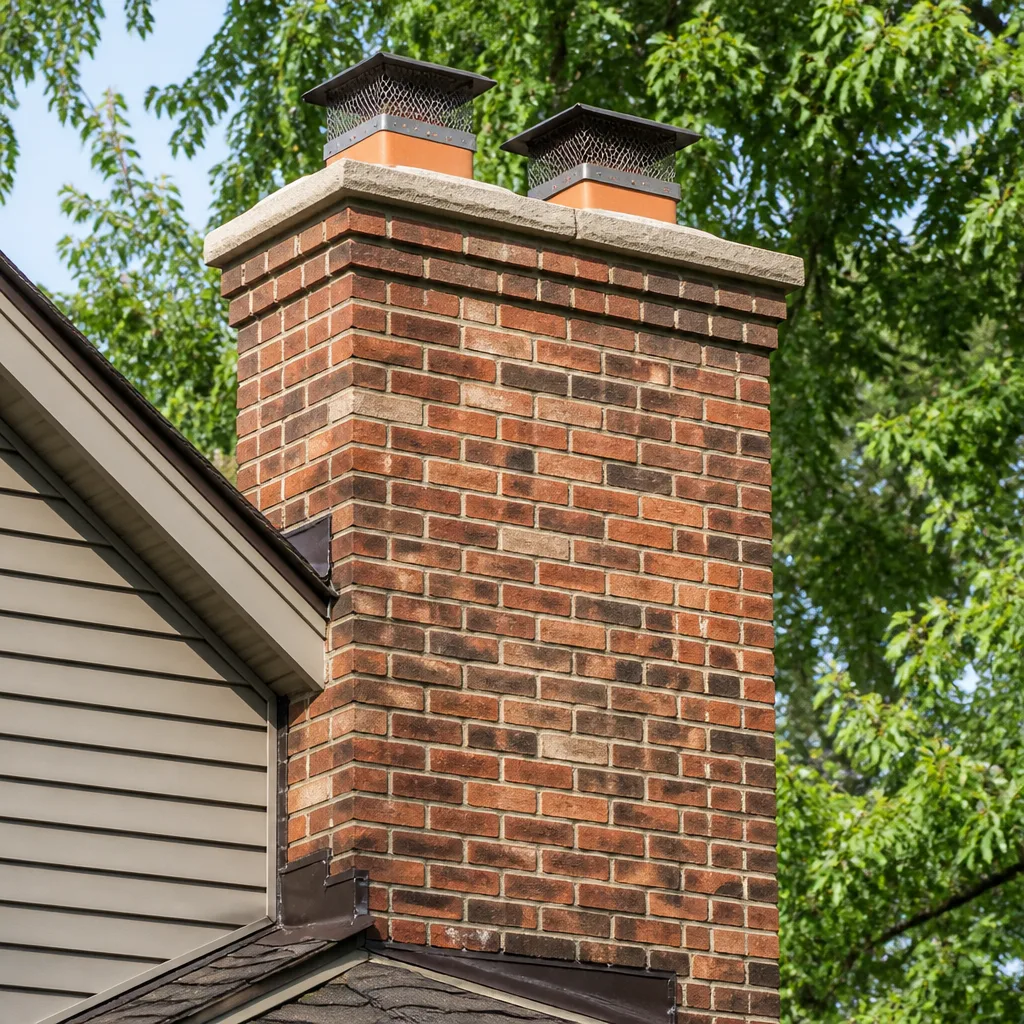 Masonry repair
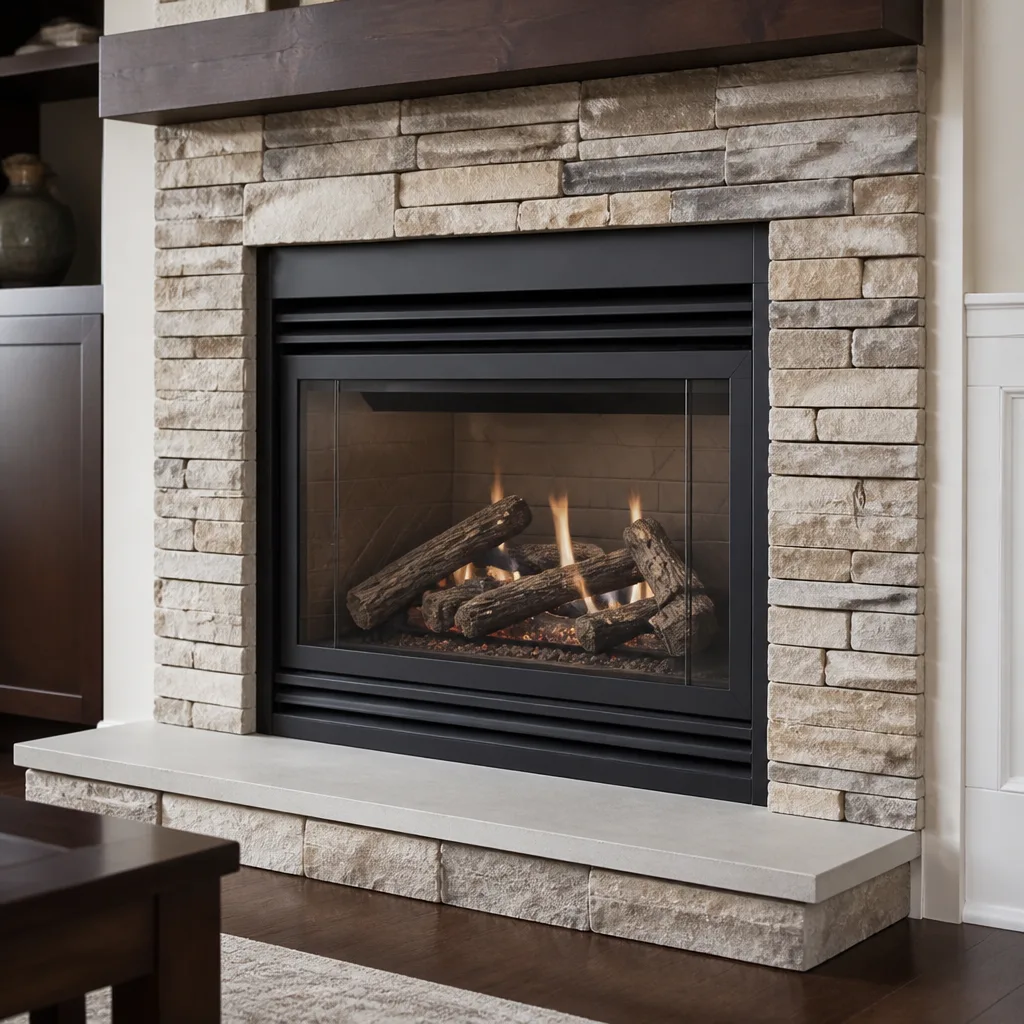 Gas fireplace service
Level 1 sweep and inspection to the NFPA 211 annual standard - flue, crown, cap, and flashing checked and photographed
Chimney sweep logs do not sweep chimneys. They loosen some creosote - which then falls where a brush and vacuum still have to collect it.
DIY vs Professional Chimney Cleaning: The East Harlem Homeowner’s Decision Guide
Hardware stores sell chimney brush kits for less than the cost of a decent pair of boots, and plenty of East Harlem homeowners buy them with good intentions. Here’s the part the packaging doesn’t explain: a brush pass removes loose soot, and loose soot is the least of your worries. The glazed, tar-like deposits that actually fuel chimney fires don’t budge for a nylon bristle. Neither does a hairline crack in a clay tile liner, a spalling crown, or a flue that’s been quietly venting wrong for years. This guide covers what a DIY sweep genuinely accomplishes, what it can’t, and how to tell the difference before you climb onto a flat roof with a parapet wall and a building full of neighbors below.
Quick Answer
A DIY brush sweep removes loose soot from the flue but does not address stage 2 or stage 3 creosote, liner cracks, crown damage, or blocked or offset flues. In East Harlem’s older masonry buildings, those hidden conditions are the ones that cause chimney fires and carbon monoxide problems, so a professional sweep and inspection is the safer default for most homes. DIY is reasonable for light annual ash removal and visual firebox checks between professional visits, not as a replacement for them.
Styles & brands we work with
- Sweep & inspection
- Caps & crowns
- Flue relining
- Masonry repair
- Gas fireplace service
Table of Contents
- What a DIY brush sweep actually removes
- The three stages of creosote and why the difference matters
- Roof access reality in East Harlem: flat roofs, parapets, and rules
- Liability and insurance on co-ops, multi-units, and brownstones
- The jobs that are always professional territory
- How to use DIY maintenance as a complement, not a substitute
- What professional cleaning costs versus the DIY math
- Common mistakes to avoid
What a DIY Brush Sweep Actually Removes
A brush and rod kit sold for home use is designed for one thing: knocking down loose, fluffy soot from the flue walls. That soot is stage 1 creosote, and on a chimney that’s been swept regularly and burned reasonably dry wood, there isn’t much of it. The brush does that job adequately. What it doesn’t do is the part that protects your home.
Here’s a short list of what a brush pass leaves behind in a typical East Harlem masonry chimney:
- Stage 2 creosote: the hardened, flaky, tar-like layer that clings to flue walls and doesn’t respond to bristles. It needs mechanical or chemical treatment.
- Stage 3 creosote: the glazed, fuel-rich coating that looks almost like black glass. This is what ignites in a chimney fire.
- Liner cracks and gaps: a brush can’t see them, and on an old clay tile flue, gaps between tiles are the passage heat and carbon monoxide use to reach framing.
- Offset and irregular flues: many older East Harlem chimneys have a jog or offset that a straight rod can’t follow, so the brush skips a section entirely.
- Crown, cap, and flashing condition: these are roof-level components a brush never touches and a sweep should always inspect.
So the honest answer to “can I clean my own chimney?” is yes, you can run a brush through it. The better question is whether a brush pass is a cleaning in the sense that matters for fire risk. In our experience across East Harlem’s prewar building stock, it usually isn’t. The comprehensive work is what a proper chimney sweep provides: a full flue cleaning with the right tools, followed by a condition assessment of the liner, crown, and cap.
The Three Stages of Creosote and Why the Difference Matters
Creosote is the residue left behind when wood smoke cools on the way up the flue. How it forms determines how dangerous it is and how it has to be removed. Understanding the three stages is the single most useful piece of knowledge for deciding whether you can handle a sweep yourself.
- Stage 1 – soot and soft flake: light, powdery, removable with a brush. This is the only stage a DIY kit is built for.
- Stage 2 – hardened crust: a flaky, tar-like layer that clings tightly to the flue walls. A brush skips over it. It requires specific scraping tools, and in many cases a chemical treatment that softens the deposit before removal. This is professional work.
- Stage 3 – glazed creosote: the densest form, resembling a shiny black coating. It has the highest fuel content and the lowest ignition temperature of the three. Once a flue reaches this stage, the cleaning has to be done carefully by someone who knows how to bring it down without damaging the liner.
Several conditions push a chimney toward stage 2 and 3 faster: burning unseasoned or green wood, restricted draft from a flue that’s too large for the appliance, and cool flue temperatures from a fire that’s smoldered rather than burned hot. In older East Harlem buildings, the flues are often oversized for a modern insert or an older fireplace, which means creosote builds faster than the homeowner expects.
This is why a brush alone isn’t a complete cleaning. The stage of creosote in your flue has to be identified before the right removal method can be chosen, and that identification requires a professional assessment. When we recommend treatment, it’s because we’ve seen the deposit, not because it made a good sales pitch. If your flue only has stage 1 soot, that’s the honest finding, and the recommendation reflects it.
Roof Access Reality in East Harlem: Flat Roofs, Parapets, and Rules
Even if you had the right tools, getting to the top of the chimney safely in East Harlem is a genuine obstacle. Most of the housing stock here is either a prewar walk-up with a flat roof and a parapet wall, or a brownstone with a sloped roof and a chimney that sits behind a decorative cornice. Neither is a simple ladder climb.
- Parapet walls: a flat roof with a parapet means the roofline is a wall you have to get over, not a surface you can step onto from a ladder. A ladder has to be tied off correctly, and the parapet condition itself has to be inspected before trusting it.
- Height and neighboring structures: many East Harlem chimneys are two or three stories above the sidewalk, with no safe ground-level approach. A fall from roof level is a serious event.
- Building rules: co-ops, condos, and multi-unit buildings often have their own rules about roof access, tied to the building’s insurance and the roof warranty. Accessing a roof without permission can void coverage or create liability for the homeowner.
- Weather: East Harlem gets real winter, and ice on a parapet or a fire escape isn’t negotiable. A DIY sweep is a summer-only idea in practice, which means it happens when the creosote has already built up over the burning season.
This is the point where many homeowners sensibly conclude that a professional crew with proper access equipment is the better call. When we sweep a chimney in East Harlem, the access plan is part of the job. If the roof or parapet conditions aren’t safe, we don’t take chances on them; we work around the building’s realities.
Liability and Insurance on Co-ops, Multi-Units, and Brownstones
Here’s a factor that rarely gets mentioned in DIY cleaning guides: what happens if a self-performed chimney job leads to damage or a fire in a shared building. In East Harlem, that question is more relevant than in a lot of places, because a large share of housing is co-op, condo, or rental.
On a single-family brownstone, the liability question is mostly between you and your own insurer. If a DIY job leads to a chimney fire or a carbon monoxide event, a homeowner’s policy may ask whether the work was done properly. On a multi-unit building or a co-op, the picture gets more complicated. The chimney may serve a shared flue, the roof may be common property, and the building’s insurance may require that maintenance work on shared systems be performed and documented by a qualified contractor. Self-performed work on a shared flue can create an issue that lands on the whole building, not just your unit.
If you’re a property manager or a co-op board member, this is the practical argument for professional service. A professional sweep issues a record of the work, and a professional inspection can produce a report that documents the flue’s condition. That documentation matters when an insurer, a mortgage lender, or a building’s own maintenance plan asks for it. It’s also the basis for any repair recommendation being traceable rather than anecdotal.
For a single-family homeowner, the reasoning is simpler: the cost of a sweep is small compared to the cost of a chimney fire, and professional work is defensible if a question ever comes up. Liability isn’t a scare tactic; it’s part of the decision.
The Jobs That Are Always Professional Territory
Some chimney tasks are genuinely in the DIY zone. Others aren’t, and trying them yourself can cause serious injury or make a problem worse. Here’s a clear split.
Always professional
- Liner inspection and camera scoping: a camera ran down the flue is the only reliable way to see cracks, gaps, and offset sections. A visual check from the firebox shows almost nothing above the damper.
- Stage 2 and stage 3 creosote removal: chemical treatment and scraping require the right products and technique, and damage to a clay liner during removal causes a bigger problem than the creosote did.
- Crown and cap repair: a cracked crown lets water into the chimney structure and drives spalling. Cap and crown work is roof-level and needs proper materials and sealing.
- Liner resurfacing or relining: if the flue is deteriorating, HeatShield resurfacing can restore a damaged clay tile liner without a full replacement, and a DuraFlex flexible liner is the standard approach when a full reline is needed on an offset or irregular flue. Both are specialist installations.
- Anything involving gas appliance venting: a gas water heater or boiler vented through the chimney has to be assessed for proper draft and spillage. Get this wrong and carbon monoxide becomes a real risk.
Reasonable DIY maintenance
- Ash removal: clearing the firebox of cooled ash between fires is safe and sensible.
- Visual firebox checks: look for cracked firebrick, loose mortar joints, or a damaged damper. If you see them, stop using the fireplace and call.
- Damper operation: confirm the damper opens and closes fully before each fire.
- Cap and crown visual check from the ground: binoculars work. If you see loose pieces or a missing cap, that’s a call.
The safety caveat here is important and worth stating plainly: a chimney carries hot gases and carbon monoxide out of your home, and the parts that fail are the parts you can’t see from the firebox. A trained professional is the right person to assess them. Do not attempt to disassemble a flue or work around gas venting yourself.
How to Use DIY Maintenance as a Complement, Not a Substitute
The useful way to think about DIY chimney care is as firebox-level maintenance between professional visits. You’re not replacing a sweep; you’re keeping the appliance in good working order so the professional sweep has less to work around.
- Burn dry, seasoned wood. This is the single biggest factor in creosote buildup, and it’s entirely within your control. Wet wood smolders and deposits faster.
- Remove cooled ash regularly. A firebox packed with ash makes a visual check harder and reduces airflow.
- Check the firebox before every fire. Cracked firebrick, a loose damper, or a strange smell means the fireplace stays unused until someone looks at it.
- Look at the cap and crown from the ground. A missing cap or a visibly cracked crown is a call to us, not a project to plan for later.
- Book an annual professional sweep and inspection. The most dangerous condition in a chimney is the one you can’t see, and annual inspection is how it gets caught.
When you book that annual service, the local professional we connect you with arrives with the equipment to do the whole job: a proper sweep with a camera inspection and a photo report so you can see the flue for yourself, not just take our word for it. That report is what turns “we recommend a repair” into something you can evaluate on the evidence. And when repair is needed, we work with the brands that meet the spec: DuraFlex for flexible liner systems, HeatShield for flue resurfacing, Copperfield for caps and specialty components. We also handle the chimney cap & crown work that protects the whole assembly from the top down.
What Professional Cleaning Costs Versus the DIY Math
The DIY math looks simple: a brush kit costs less than a professional sweep. The professional math looks less simple but more complete, because a sweep and inspection in one visit catches the things that lead to bigger repairs later. Costs in East Harlem vary by building type, flue condition, and whether the work is a single flue or multiple, so treat any figure as an estimate and get a written quote.
What drives the cost of a professional visit:
- Number of flues: a single fireplace flue is a shorter job than a building with multiple appliance flues.
- Creosote stage: a light soot sweep costs less than staged chemical treatment.
- Access conditions: a flat roof with a parapet wall or a hard-to-reach chimney affects the plan and the time on site.
- Whether repair is included: a cap, crown, or liner repair is a separate job from the sweep.
What the DIY math leaves out: a brush kit doesn’t include a camera inspection, a condition report, or the knowledge to identify stage 2 or stage 3 creosote. It also doesn’t include the professional’s liability coverage if something goes wrong on the roof. That’s what the difference in cost buys, and it’s the difference between cleaning a chimney and checking it. When you call for a quote, the estimate is free, and the written estimate sets the final price, so you’re not guessing.
For a wider look at the repair side of the equation, see our chimney repair page, which covers crown, cap, and liner work in more depth.
Common Mistakes to Avoid
- Treating a brush pass as a full cleaning. A brush removes soot; it does not assess the liner or address the creosote that actually fuels a chimney fire. Two different jobs, and only one of them is the one that matters for fire risk.
- Ignoring the flue above the damper. A visual check from the firebox catches almost nothing. The liner cracks, gaps, and offsets that cause problems are behind and above the damper, and they need a camera to see.
- Climbing onto a flat roof without a proper access plan. In East Harlem, parapet walls and multi-story buildings make a safe roof approach a project of its own, and a fall is the kind of risk that outweighs any savings.
- Working on a shared flue in a co-op or multi-unit building without checking the building’s rules. Shared flues and common roof access usually come with insurance and documentation requirements that a DIY job can’t satisfy.
- Burning green or wet wood to save money. It’s the fastest route to stage 2 and stage 3 creosote, and it turns a simple annual sweep into a treatment job.
- Assuming a gas appliance venting through the chimney is “safe because there’s no fire.” Gas venting has its own draft and spillage risks, and it needs the same professional assessment a wood flue does.
- Waiting for a problem to show up inside the house. By the time a chimney gives a clear signal, the repair is usually bigger than it would have been with an annual inspection. A blocked or damaged flue gives very little warning.
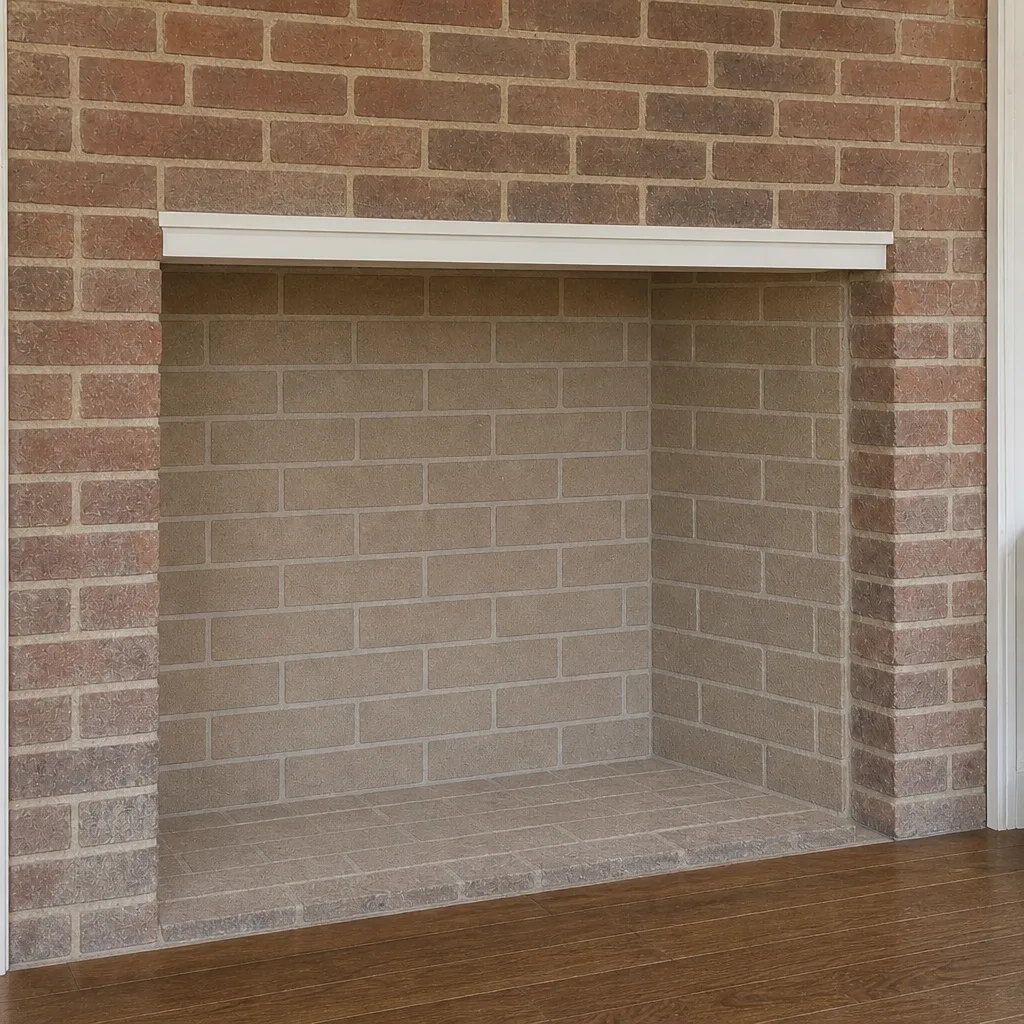
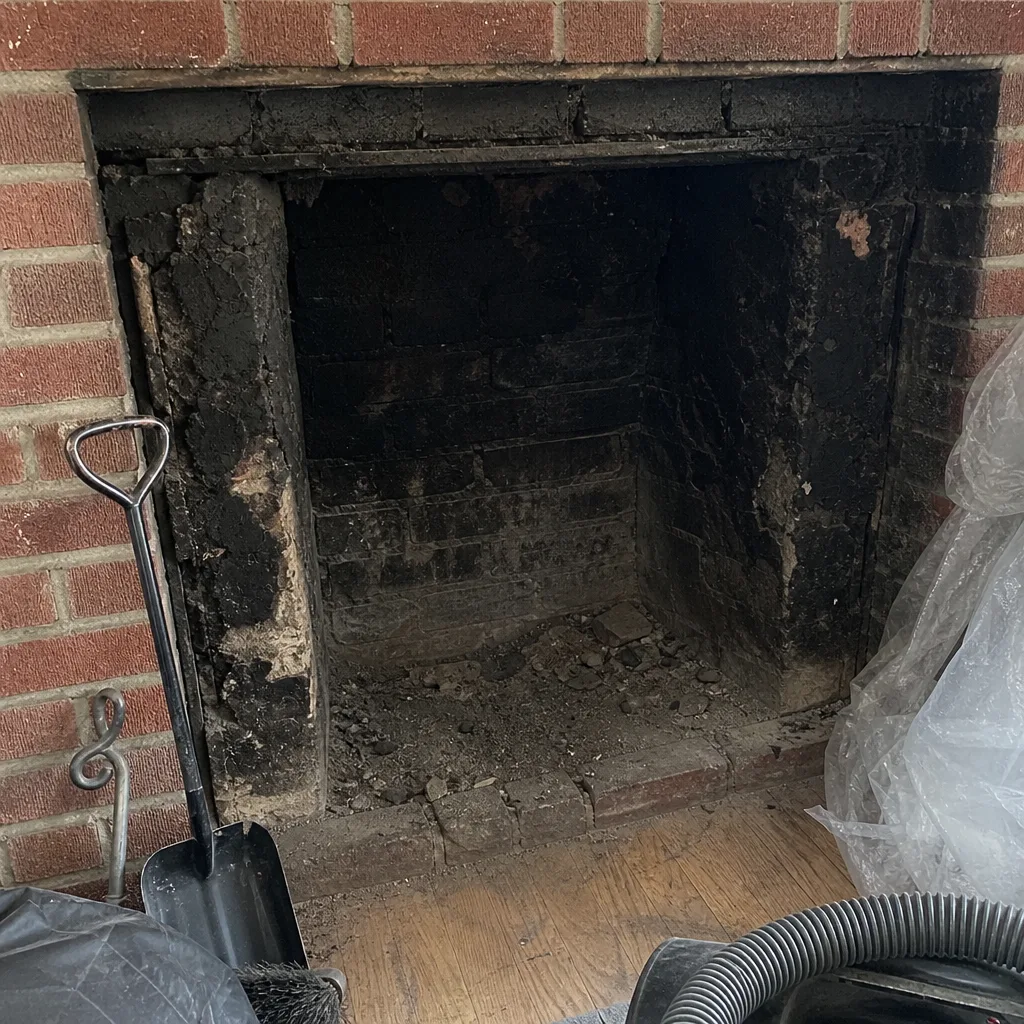
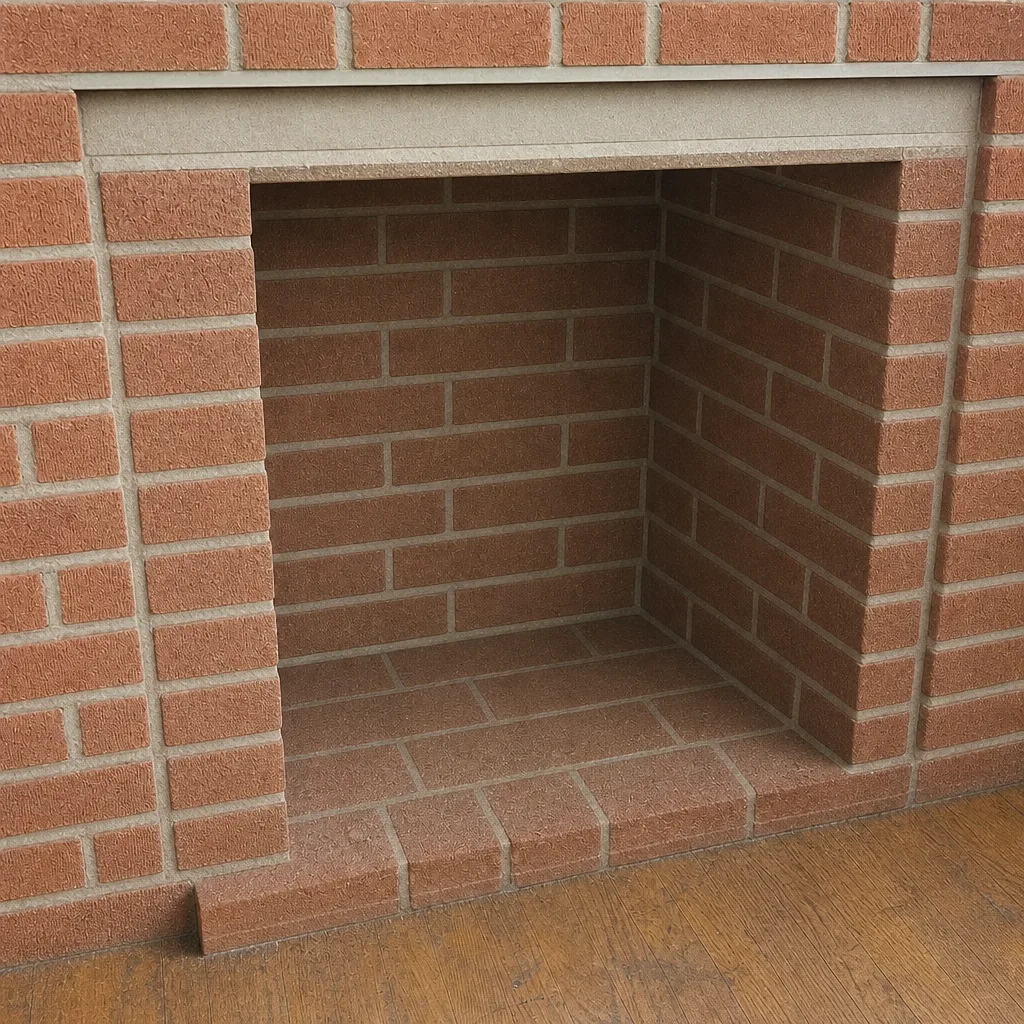
See the difference
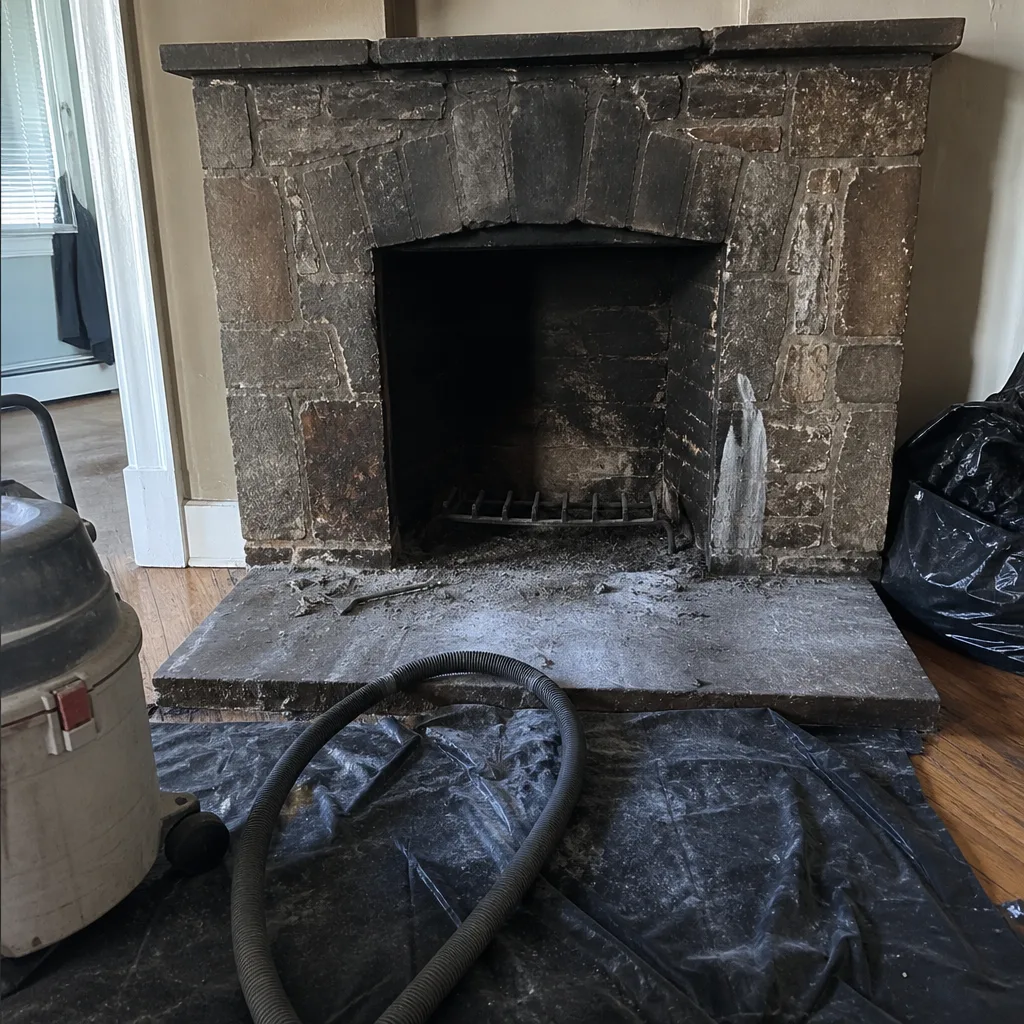 Before
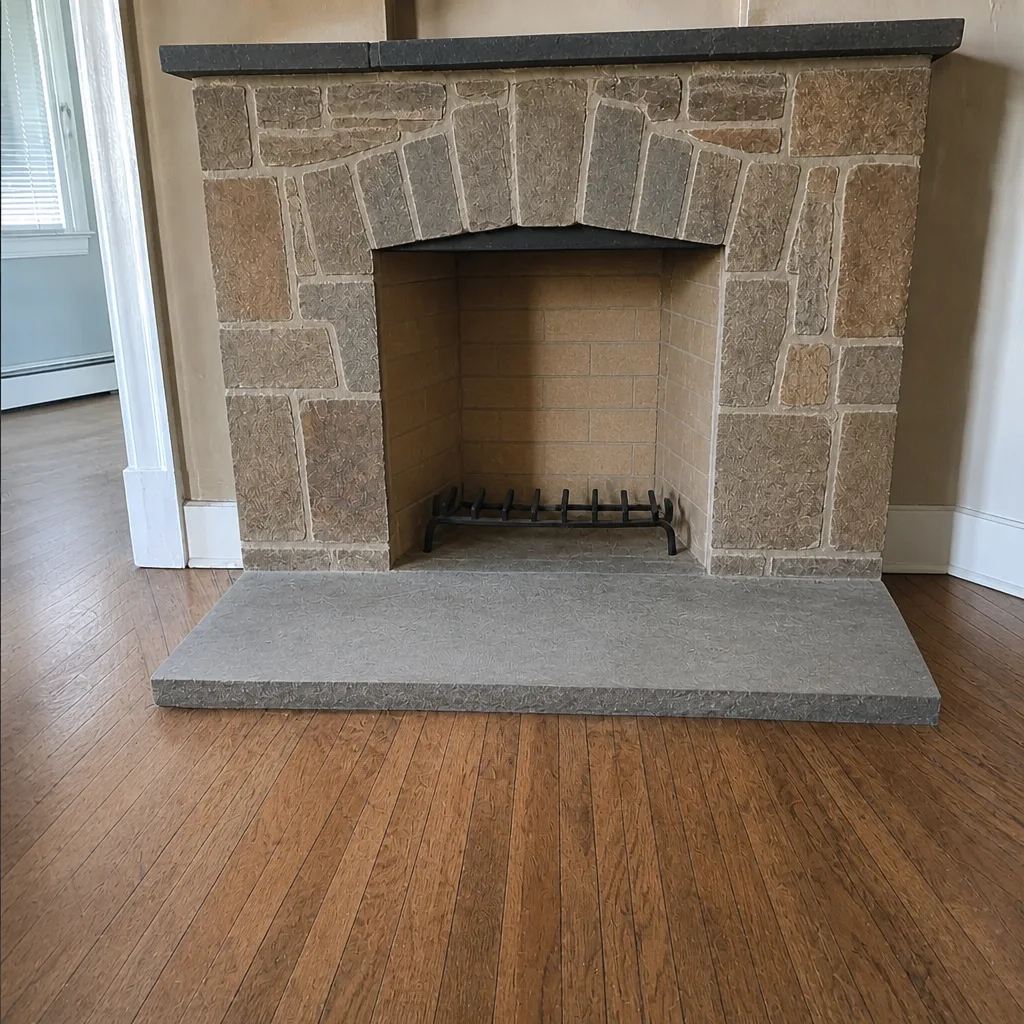 After
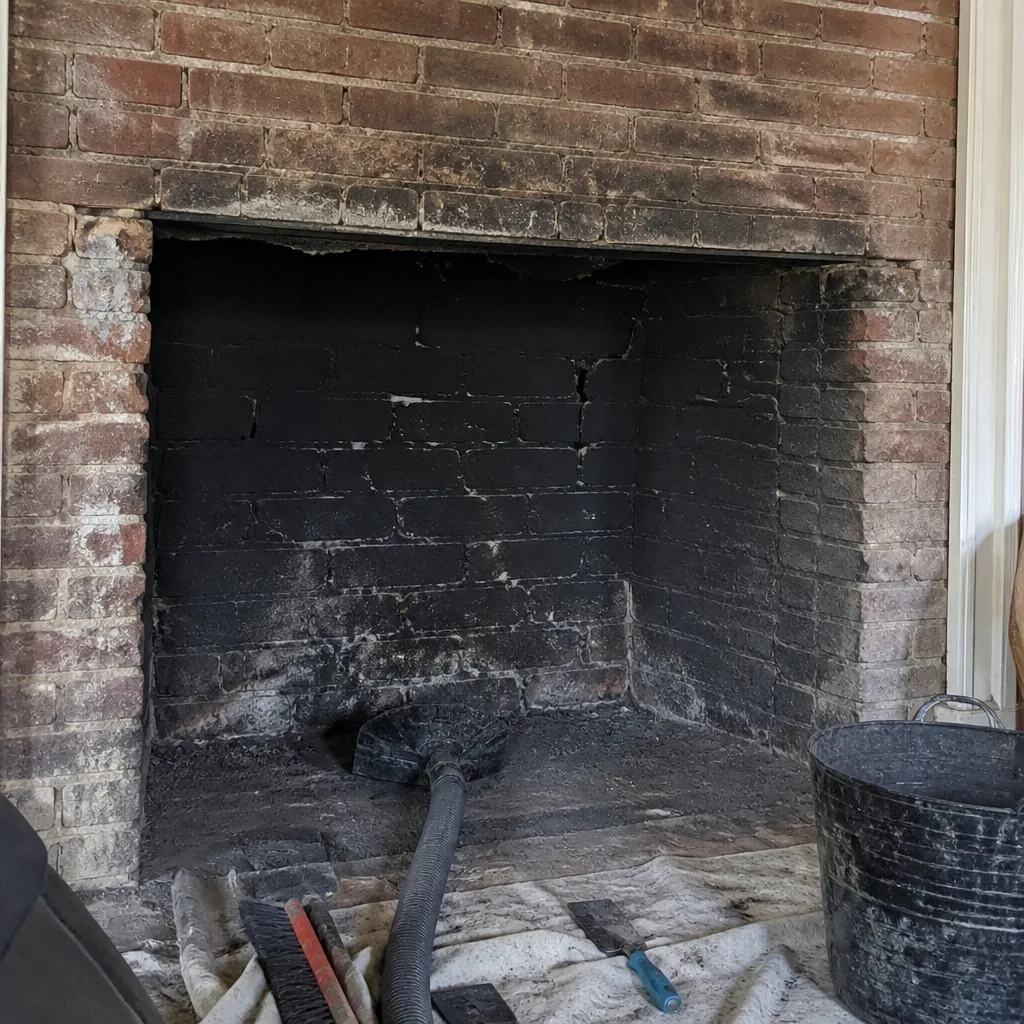 Before
 After
 Before
 After
When to Call a Professional
Call a professional if any of the following is true: your flue hasn’t been swept in the last year, you’ve noticed creosote buildup on the flue walls, your chimney has a cracked crown or a missing cap, you have a gas appliance vented through the chimney, you’re in a co-op or multi-unit building and need a documented inspection, or you’re considering liner work. If you smelled smoke indoors during a fire, or the fireplace drafts poorly, don’t test it yourself. Chimney Sweep East Harlem offers free estimates in East Harlem, with a camera inspection and a photo report so you can see what’s in the flue. Call (844) 482-6205. We answer 24/7, with fast dispatch from 7am to 7pm, Sunday through Friday.
Frequently Asked Questions
A professional sweep in East Harlem is typically priced per job based on the number of flues, the creosote stage, and access conditions, so the written estimate is the final price. The estimate is free, and we can usually tell you what the job involves before you commit. Call (844) 482-6205 for an exact quote.
You can remove loose soot with a brush, but a brush pass doesn’t address the stage 2 and stage 3 creosote, liner cracks, or crown damage that actually cause chimney fires. In East Harlem’s older masonry buildings, those hidden conditions are common enough that professional cleaning and inspection is the safer choice. Call (844) 482-6205 to schedule an inspection.
Not always, and that’s the point. A camera inspection tells you whether the liner has a crack, a gap, or a deteriorated section that justifies repair, and some deteriorating clay tile liners can be restored with HeatShield resurfacing rather than replaced. Nothing should be recommended without camera evidence you can see. Call (844) 482-6205 and we’ll show you what’s actually in the flue.
Once a year for most wood-burning fireplaces, and more often if you burn frequently or notice creosote buildup. The annual visit also catches crown and cap problems before they spread. If it’s been more than a year, book a sweep. Call (844) 482-6205 for a free estimate.
Creosote accumulates and can reach the stage where it ignites, and liner cracks can let heat and carbon monoxide into the structure. Neither gives much warning from inside the house. An annual sweep is the check that catches both before they become a repair. Call (844) 482-6205 to book one.
Yes, for limited tasks: ash removal, visual firebox checks, and damper operation are all reasonable to do yourself. Anything involving the flue above the damper, gas venting, roof-level work, or creosote treatment is professional territory. When in doubt, a free estimate settles the question.
The Bottom Line
A DIY brush sweep removes soot, and that’s a real but limited benefit. It does not clean a chimney in the sense that reduces fire risk, because it doesn’t touch stage 2 or stage 3 creosote, liner condition, or the crown and cap that protect the whole assembly. In East Harlem’s older masonry buildings, those are the conditions most likely to matter, and roof access on flat-roofed, parapet-walled buildings makes a safe DIY job a real challenge. The practical answer: use ash removal and visual checks as firebox-level maintenance, and book an annual professional sweep and inspection as the foundation. It’s the only way to know what’s in the flue rather than guess.
If you’re in East Harlem and want a straight assessment of what your chimney actually needs, call Chimney Sweep East Harlem at (844) 482-6205 for a free estimate. We answer 24/7, with fast dispatch from 7am to 7pm, Sunday through Friday. One team handles the sweep, the inspection, and any repair, so you’re not chasing a second contractor. Our technicians have up to 13 years of experience, and we carry and install the brands professionals trust. See our Chimney Sweep East Harlem home page for the full scope of what we cover, then book the visit and get the flue checked properly.
Written by the team at Chimney Sweep East Harlem.