
Last updated November 25, 2026
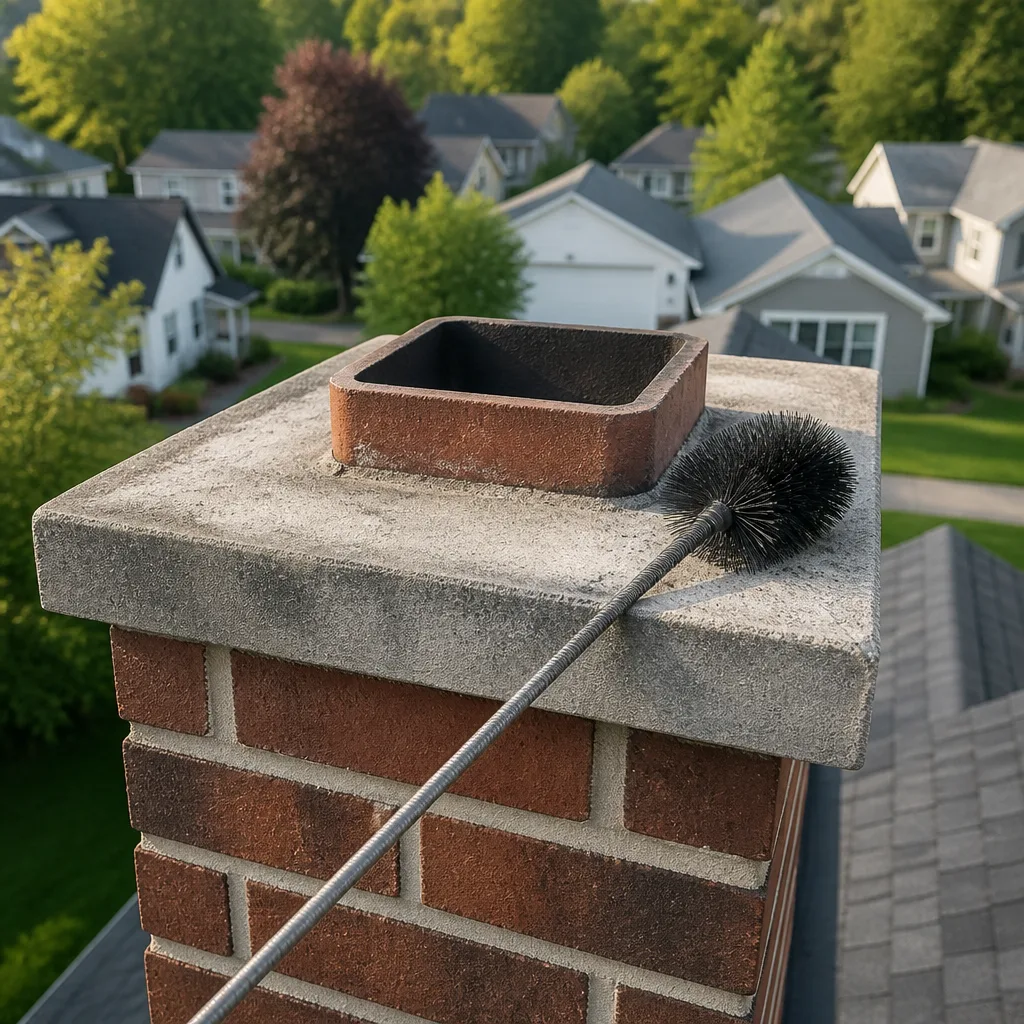 Sweep & inspection
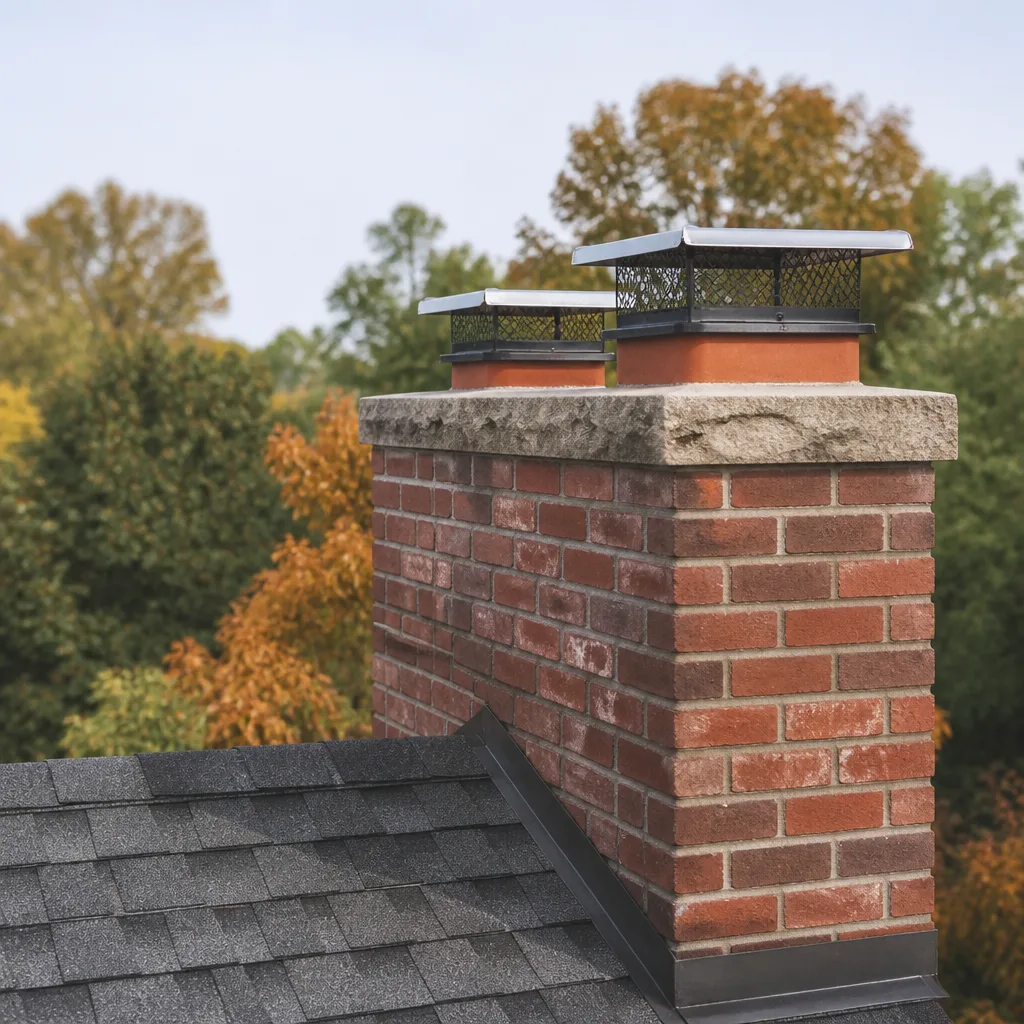 Caps & crowns
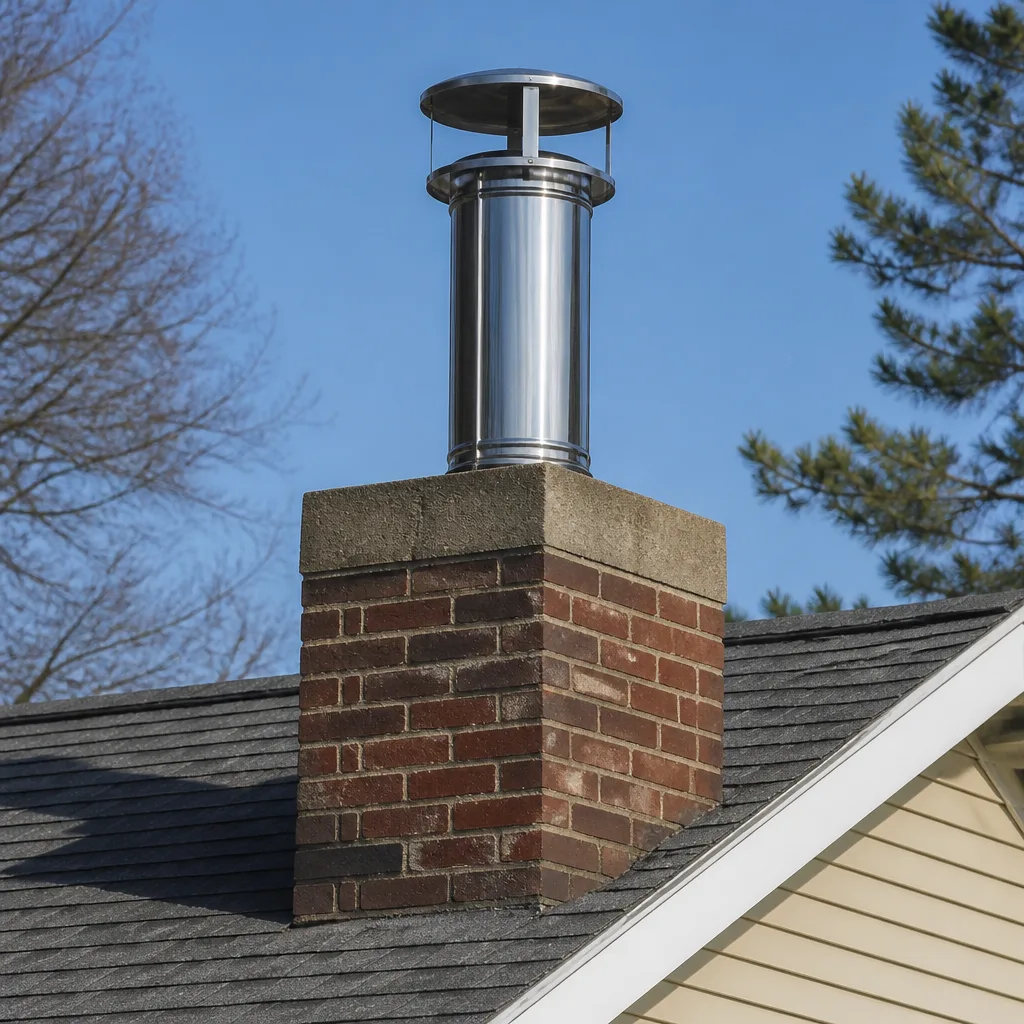 Flue relining
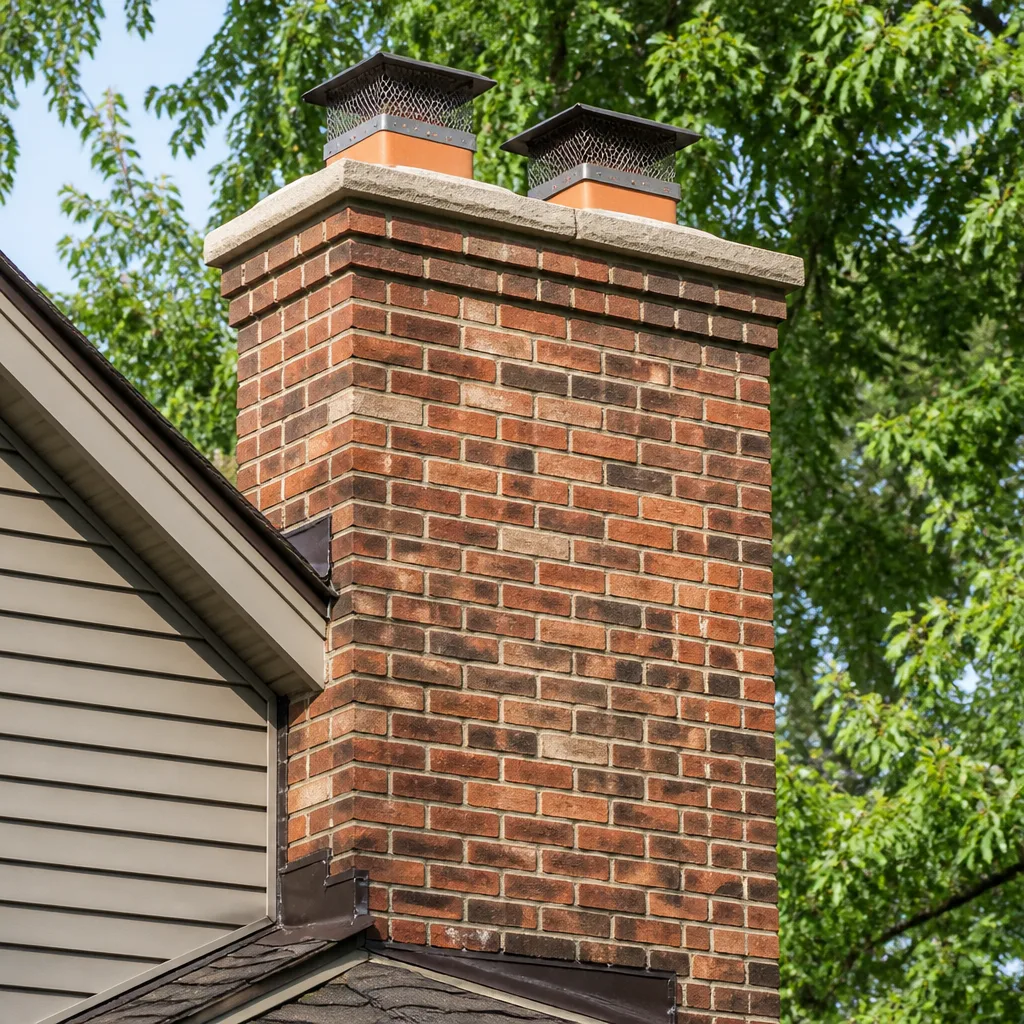 Masonry repair
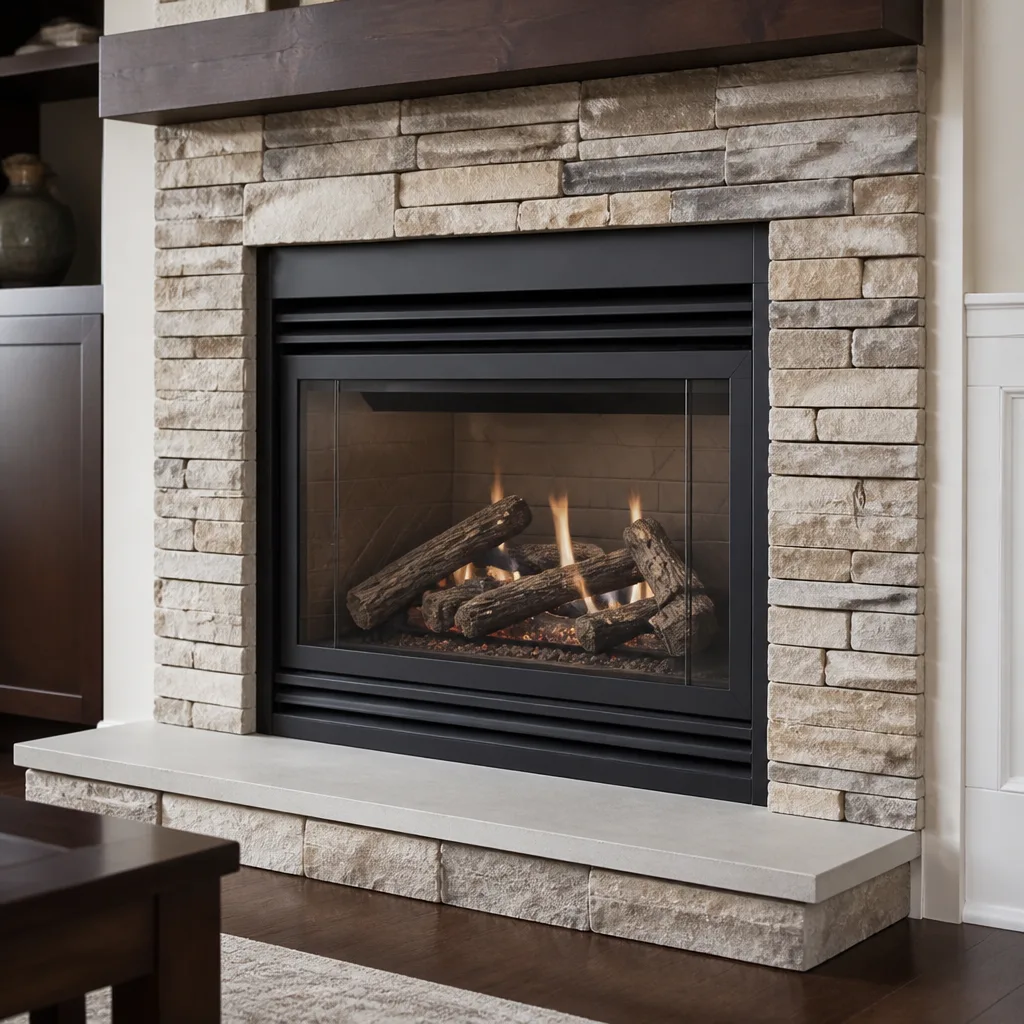 Gas fireplace service
Level 1 sweep and inspection to the NFPA 211 annual standard - flue, crown, cap, and flashing checked and photographed
Chimney sweep logs do not sweep chimneys. They loosen some creosote - which then falls where a brush and vacuum still have to collect it.
Chimney Sweep Maintenance Checklist for East Harlem Homeowners
A clean flue inside a chimney with a cracked crown is like mopping a floor under a dripping ceiling. The visible work gets done, the sweep looks tidy, and the actual problem keeps compounding every season. Most homeowners in East Harlem are watching exactly one of the four systems that decide whether a chimney lasts: they book the sweep and ignore the masonry, or they fix the cap and never look at the liner. Here you’ll get a checklist that tracks all four systems separately, tells you which items you can check yourself and which need a camera, and shows you how to document condition year over year so small deterioration shows up before it’s a repair bill.
Quick Answer
A chimney maintenance checklist for East Harlem homeowners should track four separate systems: the flue and liner, the exterior masonry and mortar joints, the crown and cap, and the flashing at the roof line. Annual sweeping handles the flue, but liner, mortar, crown, and flashing each need their own visual or camera check, and all four should be logged with dates and photos at least once a year.
Styles & brands we work with
- Sweep & inspection
- Caps & crowns
- Flue relining
- Masonry repair
- Gas fireplace service
Table of Contents
- Why One Check Isn’t Enough: The Four Chimney Systems
- The Flue and Liner Checklist
- Exterior Masonry and Mortar Joints: East Harlem’s Freeze-Thaw Problem
- Crown and Cap: The Roof-Level Defense
- Flashing and Roof Traffic
- Inspection Triggers Specific to East Harlem Properties
- How to Document Chimney Condition Year Over Year
- What You Can Check Yourself vs. What Needs a Camera
Why One Check Isn’t Enough: The Four Chimney Systems
A chimney isn’t one object. It’s four systems that fail at different rates and for different reasons, and watching only one of them is how homeowners end up surprised by a repair they could have seen coming. The flue carries the smoke. The liner protects the masonry from the heat and corrosive byproducts inside it. The exterior masonry and mortar hold the whole stack together and shed water. The crown and cap sit on top and decide how much water and weather get in. The flashing ties the chimney to the roof and keeps rain from running down the outside of the stack into the attic and ceiling below.
Each of these four systems needs its own line on your maintenance checklist, with its own inspection method and its own service interval. A sweep that cleans the flue does nothing for a crown that’s spalling, and a new cap won’t fix a liner that’s lost its glaze. When we take on a full chimney job, that’s the frame we work from: diagnose each system, then recommend the fix that actually addresses the one that’s failing.
This matters more in a dense, older built environment like East Harlem, where a single wood-burning fireplace or gas appliance vented through masonry sits among rowhouses, walk-ups, and buildings of very different ages. The chimney you own is one part of a shared roofscape and a shared block. What happens on the roof next door, and to the brick on the wall facing the weather, affects yours.
You don’t need a professional to start the checklist. You do need to know what “fine” looks like on each line, which is what the next sections walk through.
The Flue and Liner Checklist
This is the part everyone remembers, and it’s still the most important single line on the sheet. The flue carries smoke and hot gases; the liner protects the surrounding masonry from heat and from the acidic, moisture-laden byproducts of combustion. In masonry chimneys those liners are typically clay tile; in prefab chimneys they’re a metal liner inside a factory-built assembly. Both have to be checked, and only one of them you can partly see yourself.
What belongs on the flue-and-liner line of the checklist:
- Sweep frequency. For a wood-burning fireplace in regular use, an annual sweep is the baseline. If you burn often, or burn resinous wood, you may need a mid-season check. A gas appliance vented through the chimney still needs inspection, even though it produces far less creosote.
- Creosote buildup level. A sweep reports what was removed. Glazed, tar-like creosote is a fire risk and the reason a sweep can’t be skipped for years on end.
- Liner continuity. Are there gaps, cracks, or missing tiles? A camera inspection answers this; your eye from the firebox cannot.
- Liner type and condition. Clay tile, cast-in-place, or a stainless flexible liner like the DuraFlex systems we install. Know what you have, because it changes what “good condition” looks like and what repair options apply.
- Offset or irregular flues. Many older chimneys in East Harlem don’t run straight up. Offsets and odd shapes are exactly why flexible liners exist; a rigid liner can’t navigate them.
- Deteriorated tile. When clay tiles are cracked or spalling but the structure is otherwise sound, HeatShield flue resurfacing can restore the liner’s surface without a full replacement. When the liner is beyond resurfacing, we reline. The point is to know which situation you’re in before anyone quotes you.
The flue is also where the safety stakes are highest. Creosote buildup is the leading cause of chimney fires, and a blocked or damaged flue can push carbon monoxide back into the living space. That’s why we recommend a camera inspection and a sweep as the backbone of the checklist, not an optional extra. Call chimney sweep {placeholder} – see the contact CTA at the bottom of this guide.
Exterior Masonry and Mortar Joints: East Harlem’s Freeze-Thaw Problem
The masonry line on your checklist is the one most homeowners skip, and in East Harlem it’s the one that quietly sets the timetable for everything else. Brick and mortar absorb moisture. In a climate with hard freezes, that moisture expands when it freezes and pushes the mortar and brick apart, then thaws and lets more water in. Repeat that cycle season after season and mortar joints crumble, brick faces spall, and the joints that hold the stack together start to open. A clean flue inside a chimney with failing mortar is a chimney on borrowed time.
Your exterior masonry checklist:
- Walk the outside of the chimney once a year and look at the mortar joints. Are they recessed? Crumbly? Missing in patches? Hairline cracks that run vertically are the first sign.
- Look for spalling brick. Brick faces that are flaking, pitted, or peeling away mean water has been getting in and freezing.
- Check for efflorescence. The white, powdery staining on brick is salt left behind as moisture moves through and evaporates. It’s a moisture signal, not just cosmetic.
- Look at the wall that faces the weather. One side of a chimney takes the driving rain and freeze-thaw stress harder than the others; inspect that face most closely.
- Look for tilt or a lean. A chimney that’s visibly out of plumb is not a checklist item you defer. It needs professional evaluation.
- Photograph the same spots every year. The gradual change is what you’re tracking. A joint that looks fine today and slightly worse next spring tells you it’s time to repoint.
Repointing mortar and repairing spalled brick is the kind of work that stops the freeze-thaw cycle from getting worse and keeps a small chimney repair from turning into structural work. Do it in the season when you can, not after the first hard freeze.
Crown and Cap: The Roof-Level Defense
The crown is the concrete or masonry cap at the very top of a masonry chimney, sloped to shed water away from the flue. The cap is the metal or masonry cover over the flue opening that keeps rain, snow, birds, and debris out while letting smoke escape. Together they’re the chimney’s first line of defense against water, and they fail in ways that are easy to see from the ground with binoculars or from the roof with a careful look.
What to put on the crown-and-cap line:
- Crown cracks. Hairline cracks in the crown are common; wider cracks, or a crown that’s separating from the flue, let water straight down into the chimney’s core.
- Crown spalling or crumbling. A crown flaking apart needs repair or rebuild, not a coat of sealer over the top.
- Cap condition. Rusted, bent, or missing caps let water and animals in. A missing cap is also a bird-nesting invitation, and a blocked flue is a carbon monoxide risk.
- Cap fit. The cap should sit correctly over the flue with an unobstructed opening. A loose cap or one that’s been knocked askew by wind or a branch needs re-seating.
- Spark arrestor mesh. If your cap has a mesh screen, make sure it isn’t clogged with creosote or debris.
- Crown sealing interval. A sound crown can be sealed to slow water absorption, but sealing a cracked crown doesn’t fix the crack. Know which you’re doing.
This is where a lot of “just a sweep” appointments turn into real work, and it’s where we’d rather show you the condition than tell you. A crown that’s cracked but structurally sound can often be repaired; one that’s failing across its surface may need replacement. chimney cap & crown work is one of the five core categories we handle in-house, so the diagnosis and the repair happen on the same visit instead of being handed off to a second trade. Professionally made caps and crown components from brands like Famco and Copperfield are what we spec when the old parts have to be replaced.
Flashing and Roof Traffic
Flashing is the metal edging where the chimney meets the roof surface, and it’s the line most homeowners never think about until there’s a water stain on the ceiling. Flashing is also the item most likely to be disturbed by other people working on your roof. In a dense neighborhood like East Harlem, roof traffic is a real factor: HVAC contractors, roofers, and utility workers are up there, and a boot that steps on the flashing or a ladder that rests against it can open a seam that then leaks for a season before anyone notices.
Flashing checklist items:
- Look for lifted, bent, or pulled-away flashing at the base of the chimney on the roof.
- Check for gaps between the flashing and the masonry, and for failed sealant that’s cracked or peeling.
- Look for rust and pinholes in older metal flashing.
- After any roof work on your building – HVAC service, roofing, satellite installation – walk the roof line or have the flashing checked.
- Watch for ceiling stains near where the chimney passes through the roof. A stain is a flashing or crown problem that’s already reached the interior.
Flashing failures are slow, quiet, and expensive once they reach framing and insulation. On the checklist, it’s a five-minute visual item that’s easy to skip and costly to forget.
Inspection Triggers Specific to East Harlem Properties
The annual checklist is the minimum. Certain conditions in and around East Harlem properties should move an inspection forward rather than waiting for the next scheduled one. These are the triggers we watch for, and they’re the local context a generic national checklist misses.
Freeze-thaw cycles on exposed brick
When water freezes and thaws against brick and mortar repeatedly, each cycle widens existing cracks a little. An exposed chimney face can show a winter’s worth of change in a few months. If you see new spalling after a hard winter, don’t wait for the next annual check.
Roof traffic from HVAC contractors
If your building has had HVAC or roofing work, the flashing is the item most likely to have been compromised in the process. Schedule a check after the work, not months later.
Neighboring construction vibration
A rowhouse chimney shares walls and foundations with its neighbors. Vibration from nearby construction, demolition, or heavy equipment can move masonry, open mortar joints, and shake loose a cap or crown. If there’s construction on your block, it’s worth having the chimney checked afterward rather than assuming nothing moved.
Changes in how the fireplace behaves
Smoke spilling into the room, noticeably more draft, or a smell of soot or creosote in the house are all reasons to inspect now. A change in performance is a signal something in the flue or cap has changed.
After a long gap between burns
A chimney that sat unused for a winter or longer collects debris, nests, and moisture, and the lining may have deteriorated with the inactivity. Start with an inspection before the first burn, not after.
Use these triggers to supplement the annual checklist, not replace it. A camera inspection is where the line between a clean sweep and a real diagnosis happens.
How to Document Chimney Condition Year Over Year
The single most useful habit for a chimney owner is a simple condition log. Chimney deterioration is gradual, and the change from one year to the next is easy to miss unless you’ve written it down. A log turns “I think the crown’s been fine” into “hairline at the top left, unchanged in two years, watching” – and it shows a contractor exactly what’s changed when you do call.
What to keep in your log:
- A photo set from the same spots each year. The crown from the same roof angle, the flashing from the same corner, the mortar joints on the weather-facing side from the same distance. Consistency matters more than the number of photos.
- The sweep’s report and inspection findings. Creosote level removed, liner condition, and whether a camera was used.
- Every service and repair, with the date and what was done. Repointing, cap replacement, crown repair, liner work. This becomes the history that makes the next decision easier.
- Any triggers. Roof work, construction nearby, a hard freeze, a change in how the fireplace drafts.
- The next due date. A note of when the next sweep and the next camera inspection are due.
Keep it in a folder, a notes app, or on paper. The format doesn’t matter. The continuity does. That log is what lets you spot deterioration while it’s still small.
What You Can Check Yourself vs. What Needs a Camera
A useful checklist separates the items you can handle with your own eyes from the ones that require a trained professional and the right tools. Knowing the difference saves you worry and saves the contractor time.
What you can self-assess visually:
- Crown cracks and spalling, seen from the ground with binoculars or a stable, safe vantage point.
- Cap condition, fit, and mesh clogging.
- Exterior masonry: mortar joints, spalling brick, efflorescence, tilt.
- Flashing visible at the roof line, and ceiling stains inside.
- How the fireplace behaves (draft, smell, smoke spill).
- Whether the annual sweep and inspection are on schedule.
What requires a camera inspection or professional probe:
- The interior of the flue and the liner’s continuity and condition, especially in offsets and irregular flues.
- Creosote level beyond the firebox and smoke chamber sweep.
- Liner integrity behind the visible surfaces, and whether resurfacing like HeatShield is appropriate or a full reline is needed.
- Flashing seams that are hidden under shingles or behind masonry.
- The condition of the smoke chamber and the area between the firebox and the flue throat.
Don’t put your head up into a flue or work on a steep roof yourself; the hazards of falling, soot and creosote exposure, and carbon monoxide are real. A trained professional has the camera, the brush, and the fall protection to do this safely. Our technicians have up to 13 years of experience reading what a camera shows and telling the difference between “watch this” and “fix this now”.
Common Mistakes to Avoid
- Treating the sweep as the whole checklist. Sweeping cleans the flue; it does nothing for a cracked crown or a failing flashing seam. Give each system its own line and its own check.
- Skipping the sweep because you burn rarely. Years of low use still build up creosote and let debris and nests collect; a chimney that sat idle needs an inspection before the next fire.
- Sealing a cracked crown instead of repairing it. A coat of sealer over a crack hides the water from your eye but not from the masonry. It lets the freeze-thaw cycle keep working on the joints.
- Missing the flashing check after other trades have been on the roof. An HVAC or roofing visit is one of the most common ways flashing gets disturbed. Add a flashing check to the work order and to your log.
- Making a repair decision without camera evidence. Anyone who recommends a full reline without showing you the liner condition is asking you to take it on faith. Ask for the camera photo.
- Letting a small repoint wait a winter. In East Harlem, a winter of freeze-thaw can turn a repoint into brick replacement. Fix the mortar while the job is small.
- Assuming a general handyman covers all four systems. Chimney work across flue, liner, masonry, crown, cap, and flashing is a specialty. A specialist diagnoses, supplies, and installs the right materials in one job rather than handing you off.
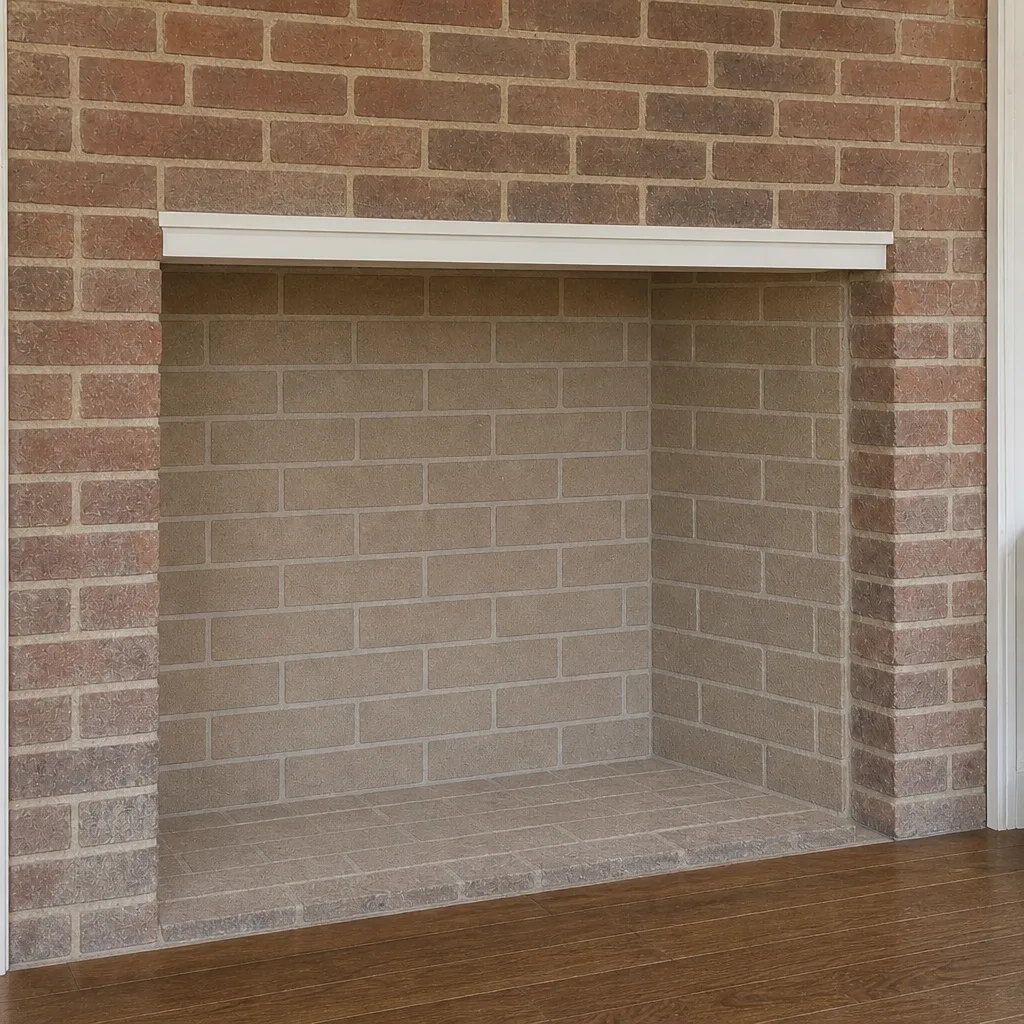
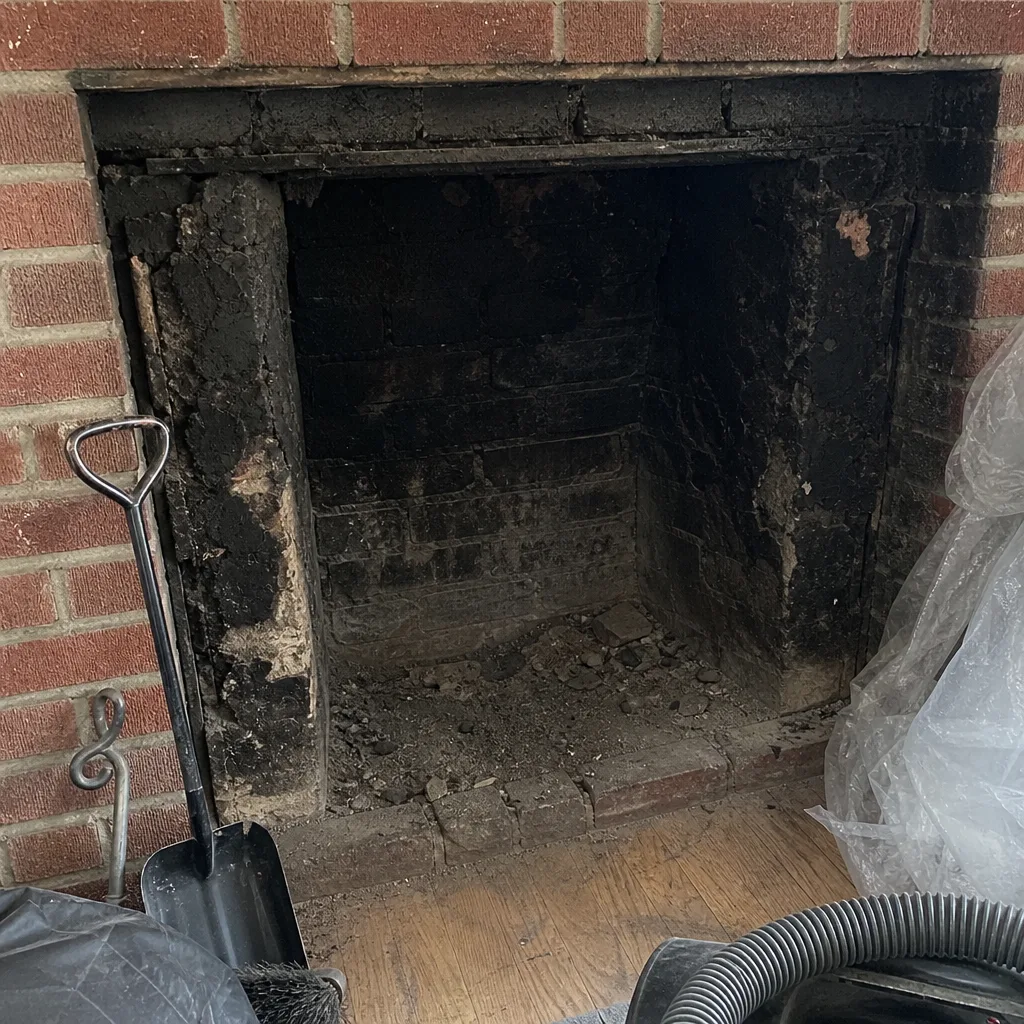
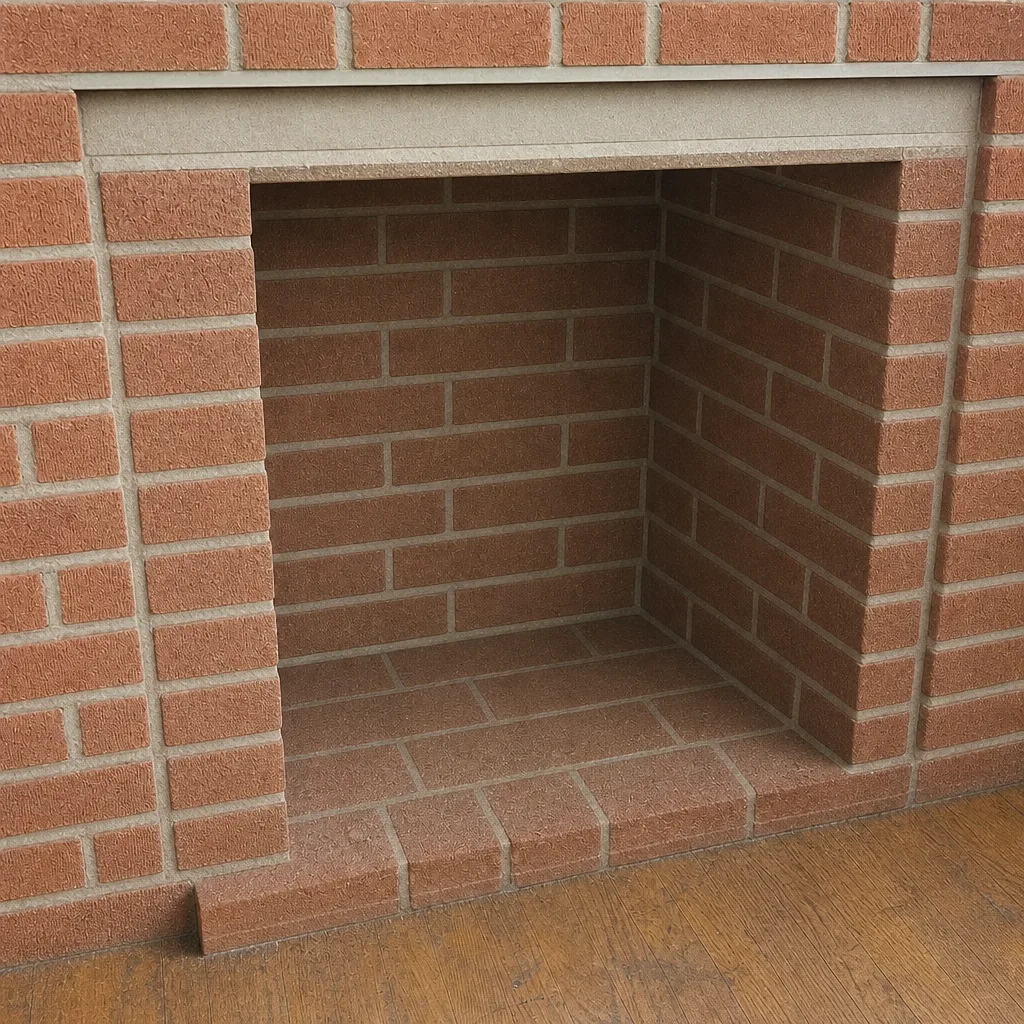
See the difference
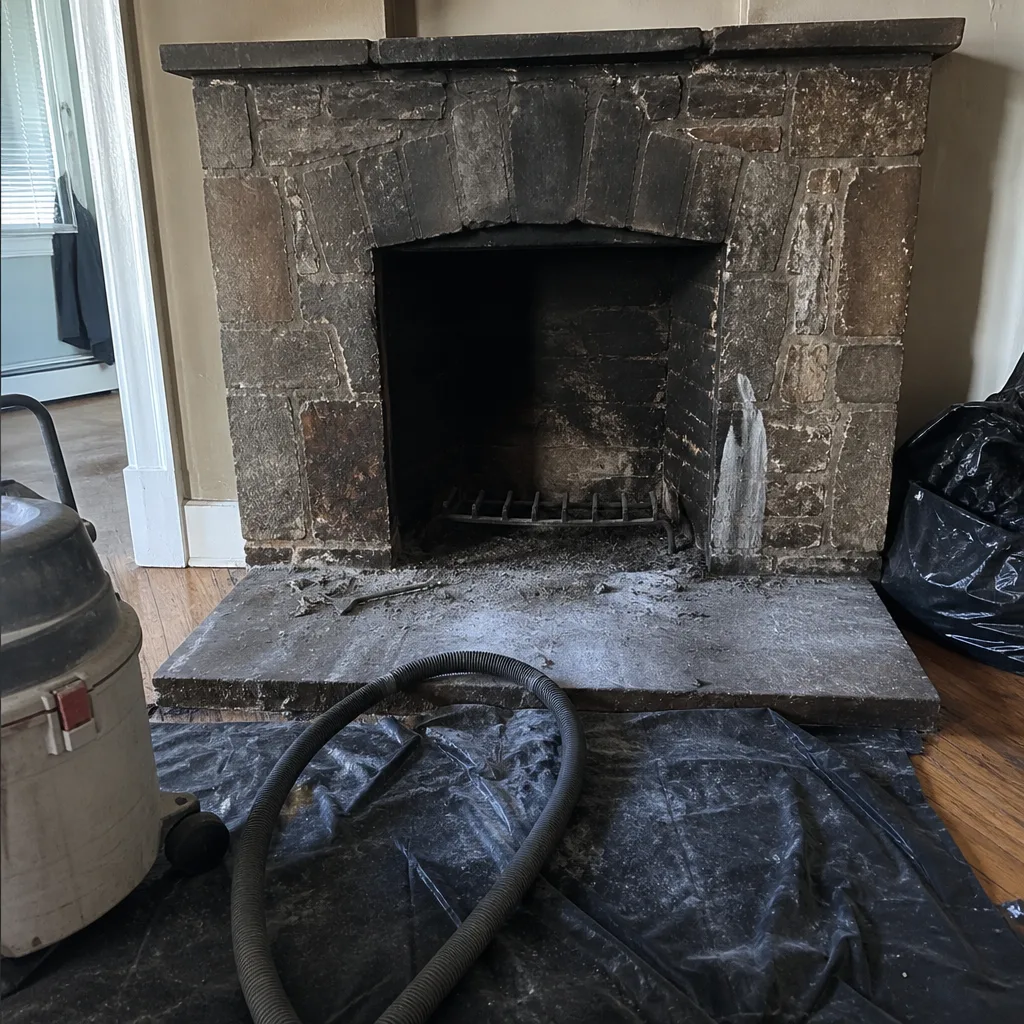 Before
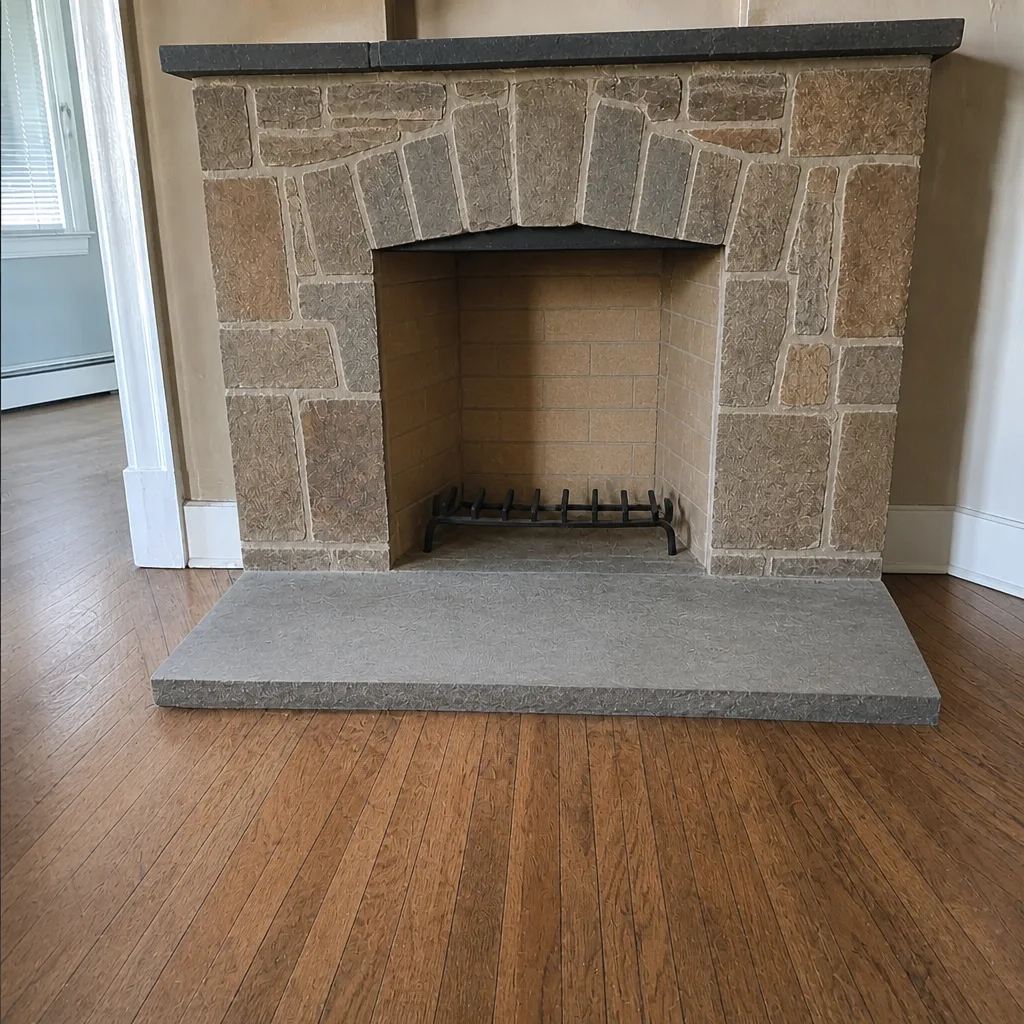 After
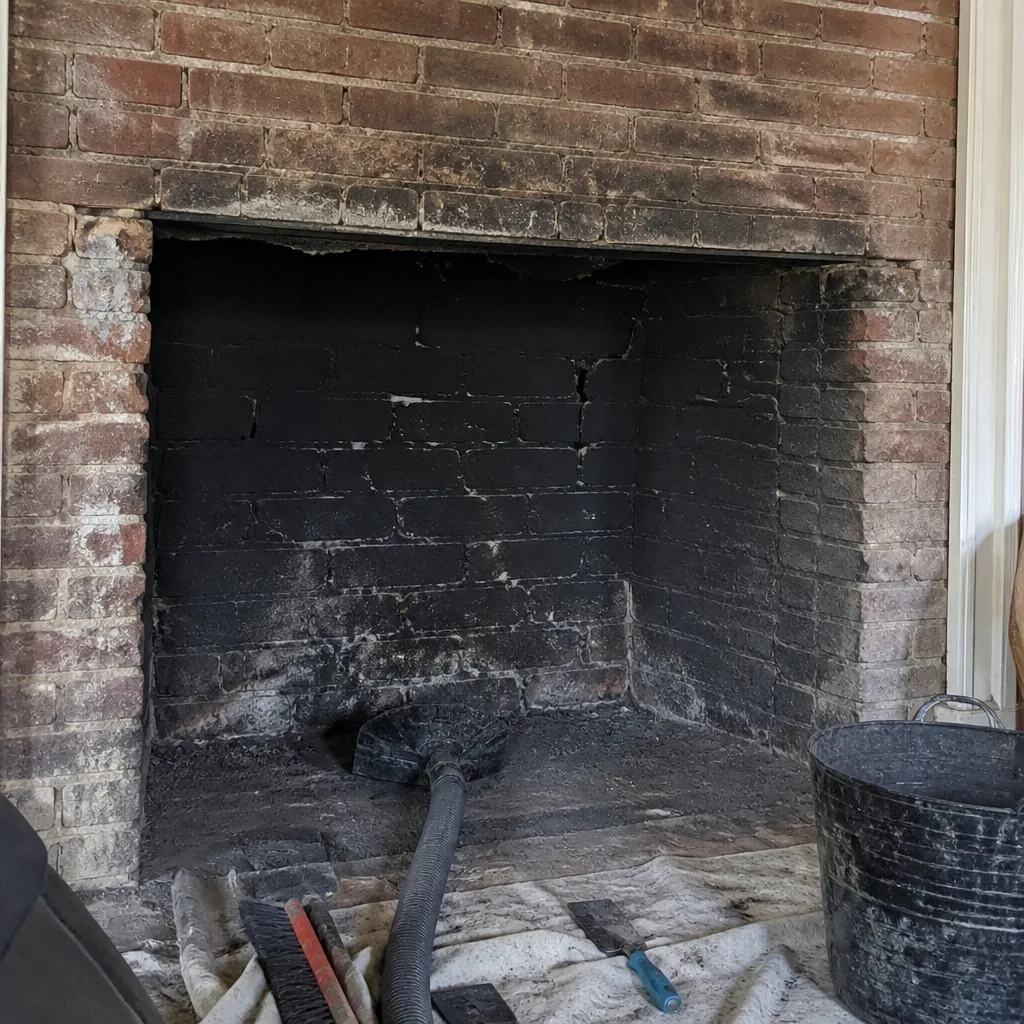 Before
 After
 Before
 After
When to Call a Professional
Call a professional when the checklist turns up anything you can’t safely assess or fix, and call sooner if you notice smoke spilling into the room, a burned or sooty smell in the house, water staining near the chimney, visible brick movement, or a cap that’s missing or badly damaged. Those are signals to inspect now, not at the next scheduled sweep. If it’s simply time for the annual sweep and inspection, or you want a second opinion on a repair quote, that’s the right reason to call too.
Chimney Sweep East Harlem offers free estimates in East Harlem. We diagnose the problem first, then recommend the right fix rather than the most expensive one, and we won’t recommend liner or masonry work without camera evidence you can see for yourself. We carry and install the brands professionals trust – DuraFlex, HeatShield, Olympia Chimney, Famco, and more – and one team handles the sweep, the inspection, and the repair, no runaround. Call (844) 482-6205. We answer 24/7. Fast dispatch from 7am to 7pm, Sunday through Friday.
Frequently Asked Questions
Once a year for a chimney in regular use is the baseline, and more often if you burn heavily or burn resinous wood. Gas appliances vented through the chimney still need an inspection each year even though they produce far less creosote. If it’s been more than a year, book a sweep and inspection before the next fire.
Ask to see the camera evidence of the liner condition before you agree, and ask whether HeatShield resurfacing or a flexible DuraFlex reline could address the problem instead of a full replacement. A liner recommendation should be backed by what the camera shows, not just a general assessment. Call (844) 482-6205 for a free estimate and a second opinion.
You can visually check the crown for cracks and spalling, the cap for damage and mesh clogging, the exterior mortar and brick for weathering, the flashing at the roof line, and how the fireplace drafts. The interior of the flue and liner needs a camera inspection by a trained professional, and you shouldn’t work on a steep roof or put your head into a flue yourself.
Yes. Gas venting produces less creosote than wood, but the flue and liner still deteriorate, and a blocked or damaged flue can let carbon monoxide back into the home. An annual inspection is the safe baseline for any chimney in service, wood or gas.
Look at where the water shows up. Flashing failures typically stain the ceiling or the attic near where the chimney passes through the roof; crown failures let water into the chimney’s interior and show up as damp masonry or a crumbling crown. Sometimes both are involved, which is why each system gets its own check. Call (844) 482-6205 for a free estimate.
Creosote builds up and the chimney fire risk rises, and mortar, crown, and flashing deteriorate through freeze-thaw and weather until a small repair becomes a bigger one. The interior damage often isn’t visible until it reaches the ceiling or the liner, which is why regular checks and documenting condition year over year matter. Call (844) 482-6205 to put a checklist in place.
The Bottom Line
A chimney maintenance checklist for East Harlem homeowners works when it tracks four systems separately: the flue and liner, the exterior masonry and mortar, the crown and cap, and the flashing. Sweep the flue once a year as the baseline, inspect the liner with a camera, walk the masonry and look at the mortar joints before each winter, check the crown and cap for cracks and damage, and check the flashing after any roof work or nearby construction. Keep a simple log with photos and dates so you can spot gradual change while it’s still small, and call a specialist rather than a generalist when anything needs a camera or a repair. That’s how the small work stops becoming the big job.
Schedule Your Chimney Sweep and Inspection
We cover the full chimney lifecycle – sweep, cap and crown, repair, inspection, and fireplace repair – under one roof, with the right materials for a lasting repair. If you’re ready to start the checklist for your East Harlem property, or want a knowledgeable specialist to review a repair quote with you, call (844) 482-6205 for a free estimate. We answer 24/7. Fast dispatch from 7am to 7pm, Sunday through Friday. Visit Chimney Sweep East Harlem to learn more.
Written by the team at Chimney Sweep East Harlem.