
Last updated November 25, 2026
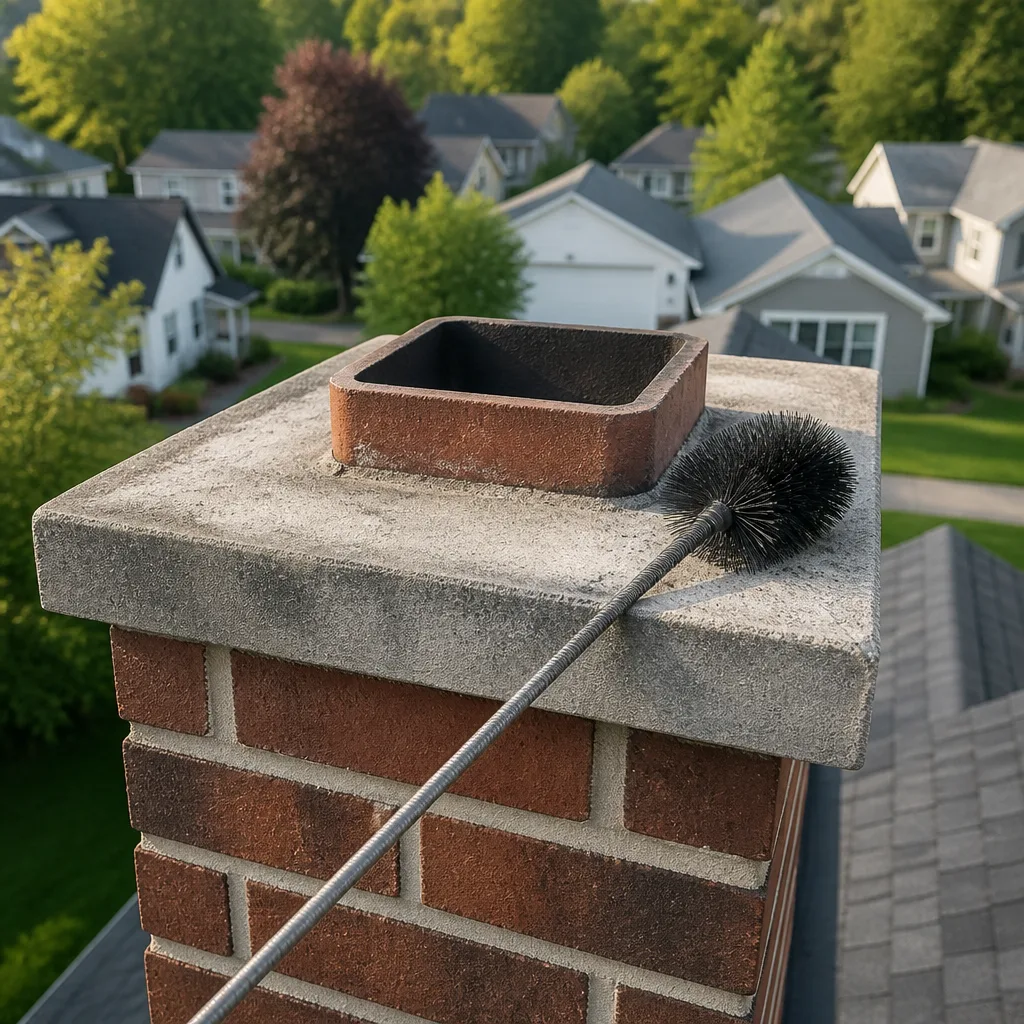 Sweep & inspection
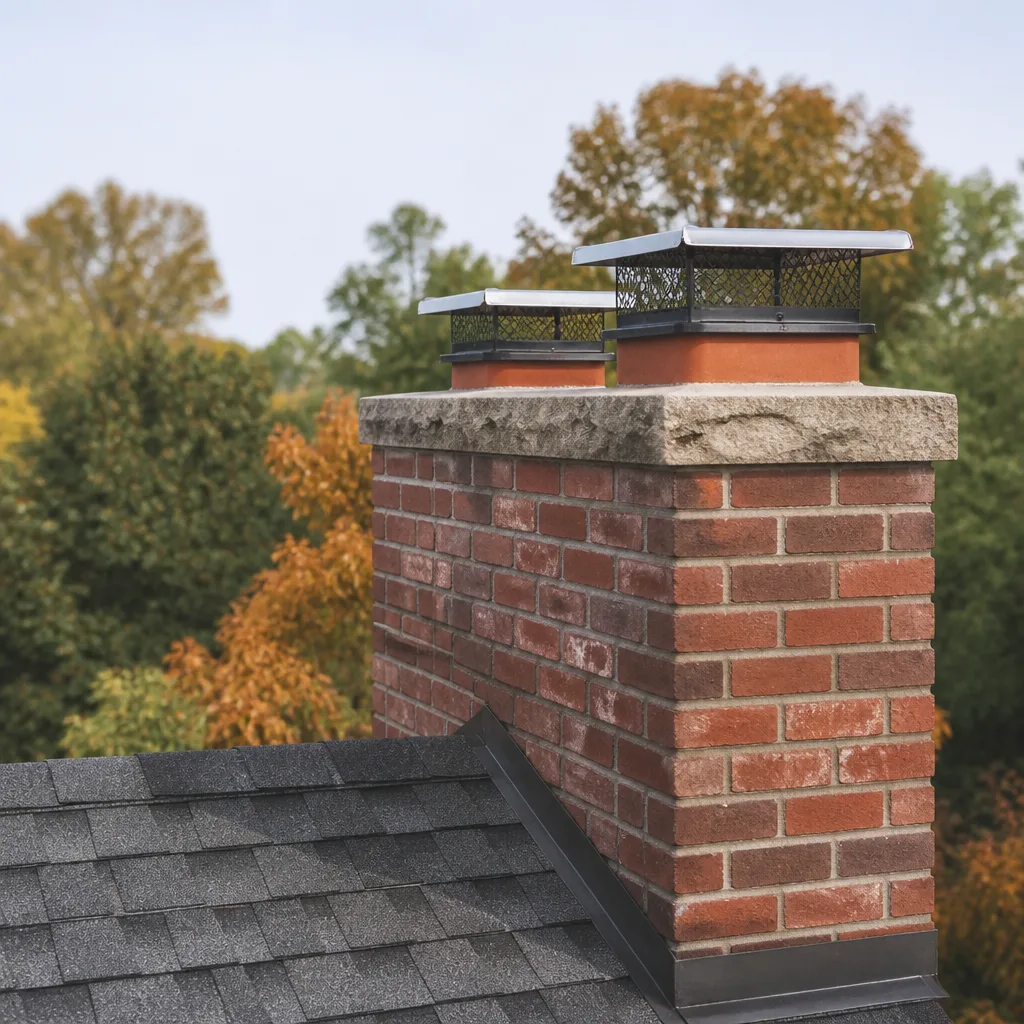 Caps & crowns
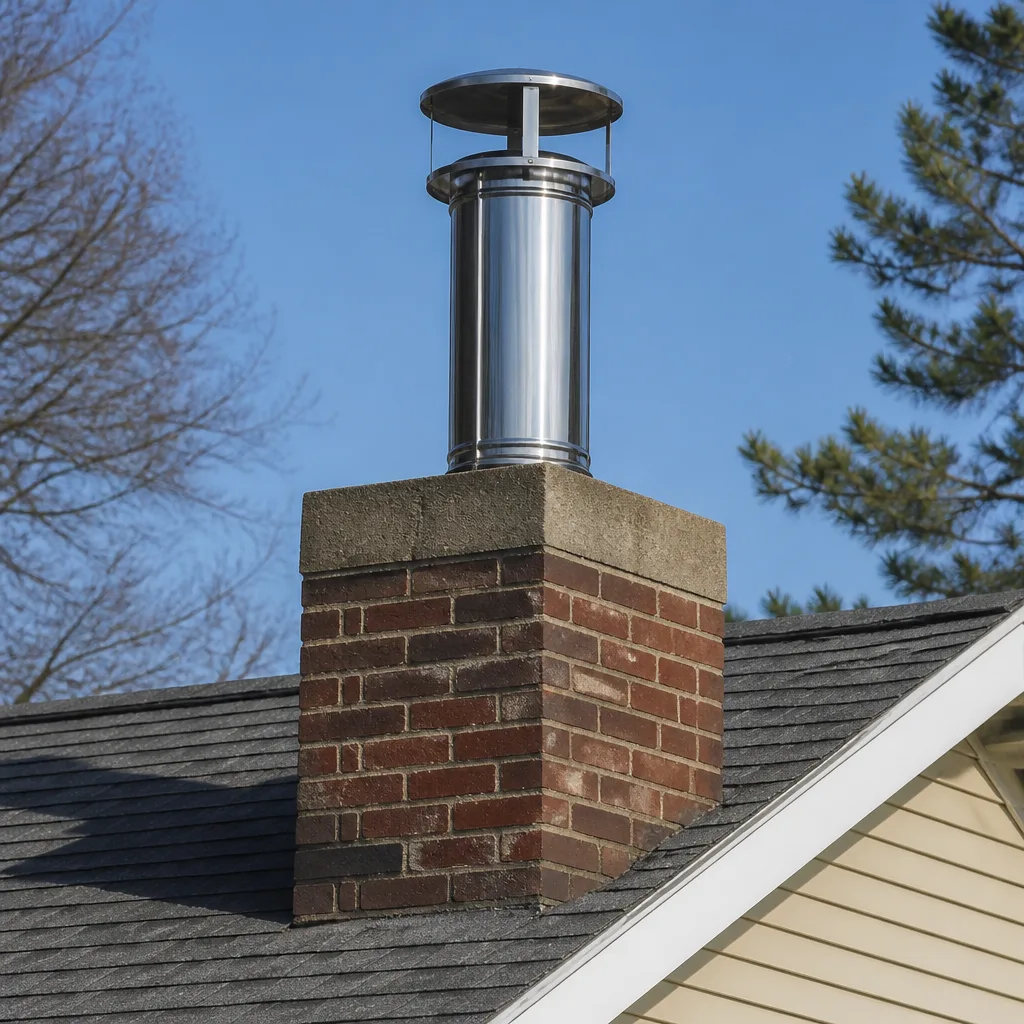 Flue relining
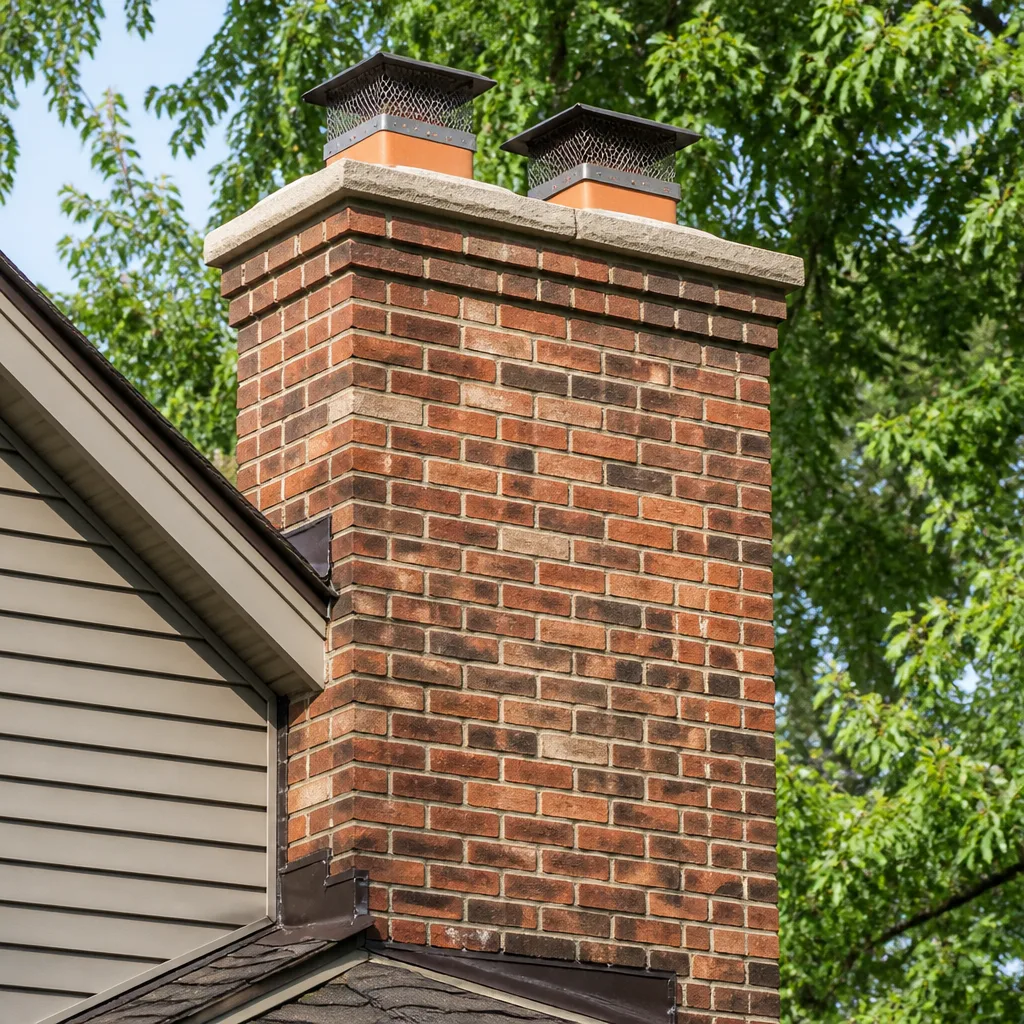 Masonry repair
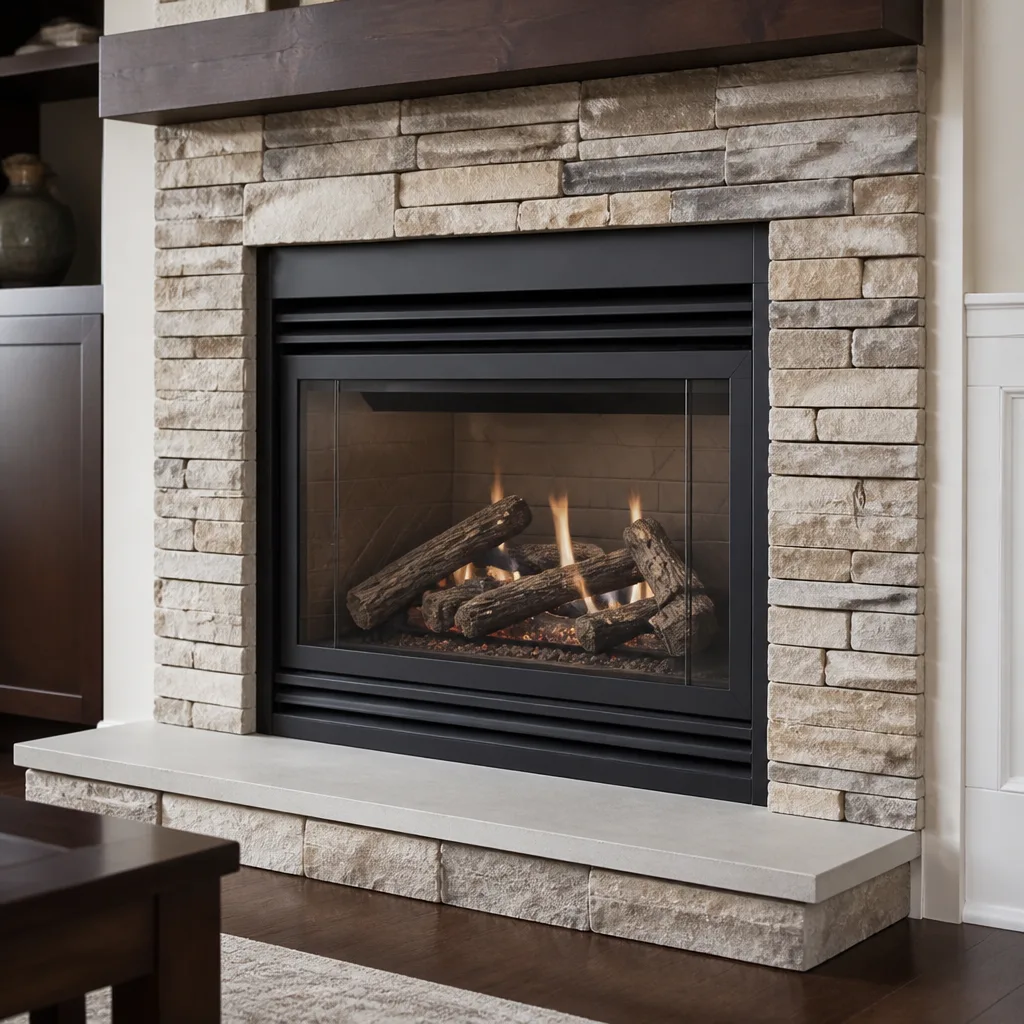 Gas fireplace service
Level 1 sweep and inspection to the NFPA 211 annual standard - flue, crown, cap, and flashing checked and photographed
Chimney sweep logs do not sweep chimneys. They loosen some creosote - which then falls where a brush and vacuum still have to collect it.
The Complete Guide to Chimney Cleaning in East Harlem
Most chimney fires don’t start in fireplaces that were never cleaned. They start in chimneys that were “cleaned” without anyone accounting for the liner type inside or the fuel that’s been burned there. In East Harlem, that mistake shows up often, because the housing stock here is anything but uniform. A brownstone flue from the 1890s and a converted tenement flue from the 1930s don’t collect creosote the same way, and neither one matches the newer builds going up along the corridors. This guide maps out what a real cleaning looks like block by block, what the inspection levels mean, and how to read the report you should walk away with.
Quick Answer
Chimney cleaning in East Harlem means matching the method to the flue, not running a brush down every chimney the same way. Pre-war brownstones, converted tenements, and newer builds each carry different liner materials and creosote patterns, so a proper cleaning starts with identifying the flue type and what’s been burned in it. A full-spectrum job includes the sweep, an inspection to the right NFPA 211 level, and a written report with photos. Call (844) 482-6205 to book a free estimate.
Styles & brands we work with
- Sweep & inspection
- Caps & crowns
- Flue relining
- Masonry repair
- Gas fireplace service
Table of Contents
- Why East Harlem Chimneys Are Different
- Building Eras and What They Mean for Your Flue
- The Three Inspection Levels Under NFPA 211
- Oil-to-Gas Conversion and Residual Sulfur Deposits
- What a Full-Spectrum Cleaning Includes
- How to Read Your Cleaning Report
- When a Sweep Isn’t Enough: Liners and Resurfacing
- Common Mistakes to Avoid
- When to Call a Professional
Why East Harlem Chimneys Are Different
East Harlem sits in a part of Manhattan where the buildings went up in waves, and each wave left behind a different kind of chimney. Walk a single block and you can pass a brownstone with tall, narrow flues built for coal, a converted tenement where a gas boiler was tied into an old masonry stack, and a newer structure with a prefab metal chimney behind the brick. The cleaning problem changes with each one.
The biggest variable is creosote. Wood smoke leaves creosote in three stages: a light soot, a flaky crust, and a hard, glazed layer that bonds to the flue wall. That glazed stage is what you don’t want, and it forms fastest in flues that run cool or that have been fed a mix of fuels over the years. In East Harlem, many chimneys have burned wood, coal, oil, and now gas inside the same masonry stack. The residue left behind isn’t one substance. It’s a layered history, and a single pass with a standard brush won’t touch most of it.
Add the climate. New York’s damp winters and humid summers work on masonry year-round. Moisture moves through brick and mortar, freezes, thaws, and opens small cracks. Those cracks let creosote and moisture sit against the liner in places a quick visual check from the firebox will never reveal. That’s why we treat cleaning here as a diagnostic job first and a scrubbing job second. If you want to understand the full sweep side of the work, the chimney sweep page lays out what’s involved.
Building Eras and What They Mean for Your Flue
The pre-war building era in East Harlem, roughly from the 1890s through the 1940s, created the flue proportions and brick compositions that shape how we clean today. During that stretch, chimneys were sized by hand for specific appliances: coal stoves, early boilers, and open fireplaces. Flues were commonly built with clay tile liners set into brick, and the mortar joints between tiles varied with whoever laid them.
Here’s how the eras break down:
- 1890s – 1910s brownstones and townhouses: Tall, narrow flues with clay tile liners and generous brick mass. Cleaning tends to involve careful mechanical work on offset or angled runs, since rigid tools don’t follow these shapes well.
- 1910s – 1930s converted tenements: Multiple flues bundled into a shared stack, often serving several units. Cross-contamination between flues is common, and a smoke test matters as much as the sweep.
- 1930s – 1940s buildings: Wider stacks built for oil-fired boilers, many later converted to gas. These are the ones most likely to hold residual deposits from earlier fuels.
- Newer builds: Prefab metal chimneys and factory-built fireplaces, which need manufacturer-specific cleaning methods rather than masonry brushing.
If your building falls into the pre-war group, expect the cleaning to take longer and the inspection to be more detailed than a modern structure would require. That’s not upselling. It’s the reality of a flue that’s been in service for the better part of a century.
The Three Inspection Levels Under NFPA 211
NFPA 211, the standard that governs chimneys and vents, defines three inspection levels. Which one your East Harlem property needs depends on what’s changing, not on how much the technician feels like looking.
Level 1 Inspection
A Level 1 inspection covers the readily accessible portions of the chimney and venting system: the firebox, the flue as far as you can see, and the exterior at ground or roof level where it’s safely visible. It’s the standard check when you’re keeping the same appliance and fuel and the chimney is in normal service. Most routine cleanings in East Harlem come with a Level 1 inspection.
Level 2 Inspection
A Level 2 inspection goes further, including accessible attic and crawl spaces and the use of video scanning to look inside the flue. It’s required when the property changes hands, when an appliance is replaced or its fuel changes, or after a chimney fire or a seismic event. In East Harlem’s converted buildings, a Level 2 is often the right call the first time we visit, simply because the history of the flue isn’t documented.
Level 3 Inspection
A Level 3 inspection is the most involved. It’s triggered when a Level 2 finds a problem that can’t be assessed without opening up part of the chimney or building. In older East Harlem buildings, that can mean accessing concealed sections of a shared stack to find out where damage or blockage actually sits.
Knowing which level you received matters. A cleaning report that says “inspected” without naming the level isn’t telling you much. For more on repair beyond the inspection itself, see our chimney repair page.
Oil-to-Gas Conversion and Residual Sulfur Deposits
Many East Harlem buildings heated with oil before switching to gas, and that switch leaves a residue behind. Oil combustion produces sulfur compounds that settle on the flue wall and bond with moisture to form a crusty deposit. It’s not creosote and it’s not soot. Standard brushes, the kind a generalist might use, will skid right over it.
Why it matters:
- Sulfur deposits are acidic, and over time they attack mortar joints and clay tile.
- They change the way the flue draws, which can affect draft and venting for the current gas appliance.
- They can mask damage underneath, so a flue that looks fine from the firebox can be failing behind the crust.
Removing these deposits takes the right combination of mechanical and chemical methods, chosen after identifying what’s actually on the flue wall. In our experience, this is one of the most common gaps between what a building needs and what a quick sweep delivers. A flue that’s been converted from oil to gas in an East Harlem building deserves a closer look than a brush pass allows. If the deposit has already damaged the clay tile, we can assess whether a resurfacing approach such as HeatShield can restore the flue rather than replace it outright.
What a Full-Spectrum Cleaning Includes
A full-spectrum cleaning means the job goes beyond the sweep-and-go. Here’s what a proper visit covers, step by step:
- Protect the space. Drop cloths and containment keep soot out of your rooms. This matters in tighter East Harlem apartments and brownstone floors where dust travels.
- Identify the flue type and fuel history. We confirm the liner material, check for offsets, and ask what’s been burned in the chimney. This determines the method.
- Mechanical cleaning with the correct tools. That may mean a standard brush, a rotary tool, or a specialized head for offset flues, depending on what the flue needs.
- Film and deposit removal. Soot and glazed creosote get removed with methods that match their consistency, not just a brush.
- Inspection to the appropriate NFPA 211 level. Video scanning where the level calls for it, so we can see what the eye can’t reach.
- Photo documentation and a written report. You get a record of what we found and what we recommend, with images that back it up.
- A clear recommendation, and honest timing. If something can safely wait, we tell you. Not every finding is urgent.
The sweep, the inspection, and any repair decisions happen under one roof, with one team. For the exterior end of the chimney, the chimney cap & crown page explains why a cracked crown lets water in and why a missing cap accelerates everything described above.
How to Read Your Cleaning Report
You should walk away from every service visit with a document you can actually understand. A good cleaning report tells you what was found, what was done, and what needs attention. Here’s what to look for:
- The inspection level performed. Level 1, 2, or 3, stated clearly.
- Flue condition findings. Cracks, gaps, offsets, missing mortar, or damage to the clay tiles.
- Deposit assessment. What kind of build-up was found, including any glazed creosote or sulfur residue.
- Photos. Pictures of the flue interior and the firebox, along with any problem areas. You should be able to point to the photo and match it to the recommendation.
- Recommendations with timelines. What should be addressed now, and what can wait.
- What was cleaned. A clear record of the work done so you know what service your flue has had.
If you’re handed an invoice with no report and no photos, you’ve been given a service, not a record. Being able to see what we see is central to how we work. Nothing gets recommended without camera evidence you can look at for yourself.
When a Sweep Isn’t Enough: Liners and Resurfacing
Sometimes a cleaning turns up a liner problem that cleaning alone can’t fix. If the clay tiles are cracked or the mortar joints have eroded, the flue may be letting gas and creosote reach materials it shouldn’t. That’s when we weigh two options.
Resurfacing is for the case where the existing liner is deteriorating but still structurally sound enough to serve as a base. HeatShield is a liner resurfacing system that can extend the life of a deteriorating flue without a full replacement, and it’s a good fit for many older East Harlem flues where the tile is failing but the chimney structure is intact.
Relining is for when the flue needs a new liner altogether. DuraFlex flexible liner systems are built for the irregular and offset flues that rigid liners can’t navigate, and in East Harlem’s pre-war buildings, offset runs are the norm rather than the exception. We carry and install these brands because the repair has to match the flue, not the other way around.
Other pieces of the system matter too. Gelco and Olympia Chimney components fill in the connections, caps, and specialty parts that make a repair last. Choosing between a resurfacing and a full reline should come down to what the inspection actually shows, not to what’s easiest to sell.
Common Mistakes to Avoid
- Hiring a generalist with a brush and no inspection. A sweep without a documented inspection leaves you guessing about the liner, and in East Harlem’s older buildings, the liner is where the real problems hide.
- Ignoring fuel history. If your chimney burned oil before switching to gas, standard brushes won’t remove the sulfur deposits left behind.
- Skipping the cap. A missing cap lets in rain, birds, and debris. Water is the fastest way to undo a clean flue.
- Waiting for a glazed creosote smell before acting. By the time build-up reaches the glazed stage, it’s far harder to remove and far more of a fire risk.
- Cleaning a prefab chimney with masonry methods. Factory-built chimneys need manufacturer-specific care, and a masonry brush used incorrectly can damage the liner.
- Accepting a report with no photos. Without images, you can’t verify what you’re being told or what you’re being sold.
- Assuming a converted building was properly re-lined. Conversion work wasn’t always thorough, and an East Harlem building’s flue can be undersized or mismatched for its current appliance.
When to Call a Professional
Call us when your chimney smells of creosote in warm weather, when smoke backs into the room, or when you’ve never had the flue inspected and don’t know its history. Call if a building has switched from oil to gas and no one has looked inside the flue since. Call after any chimney fire, even a small one. Call if you see crumbling mortar, cracked tile, or a loosened cap on the roof. And call before you rely on the chimney for the season; a cleaning booked before the first cold stretch beats one scheduled in the middle of it. Chimney Sweep East Harlem offers free estimates in East Harlem. Call (844) 482-6205. We answer 24/7. Fast dispatch from 7am to 7pm, Sunday through Friday.
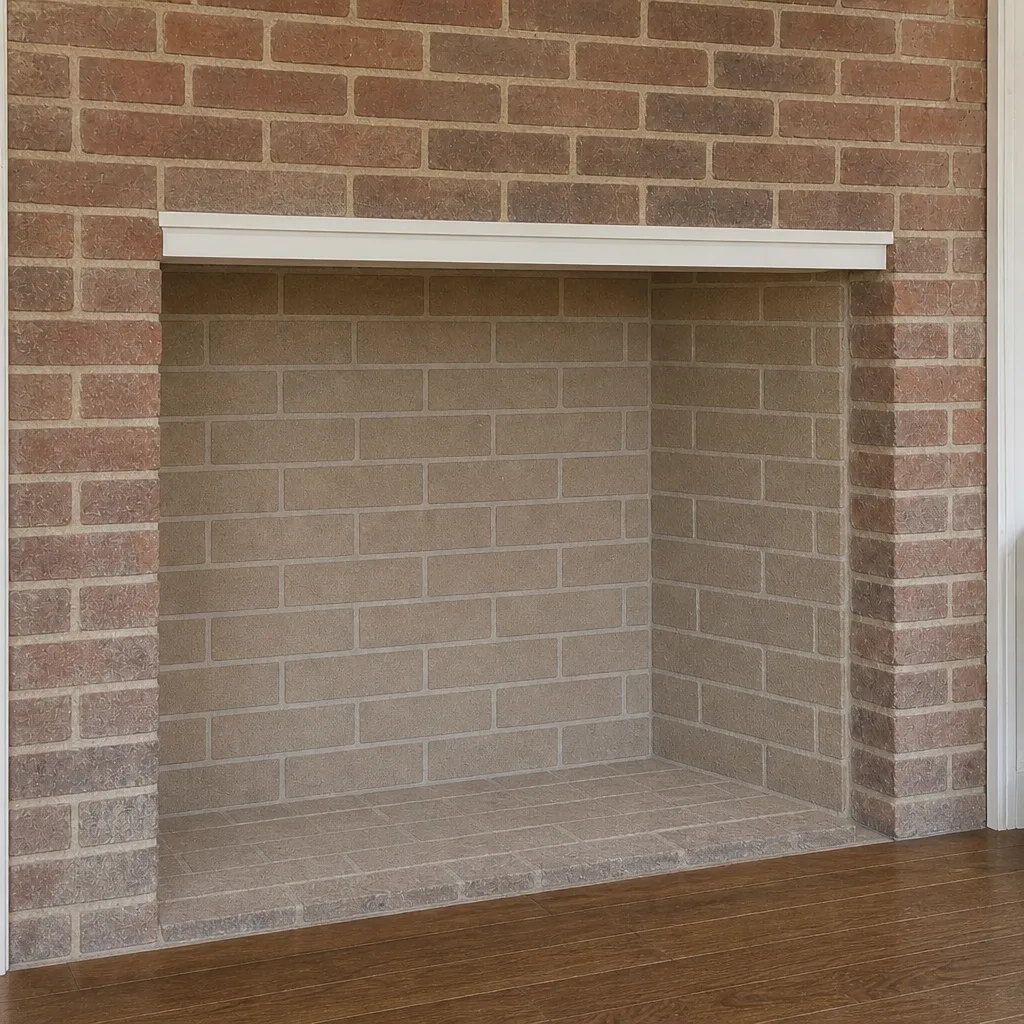
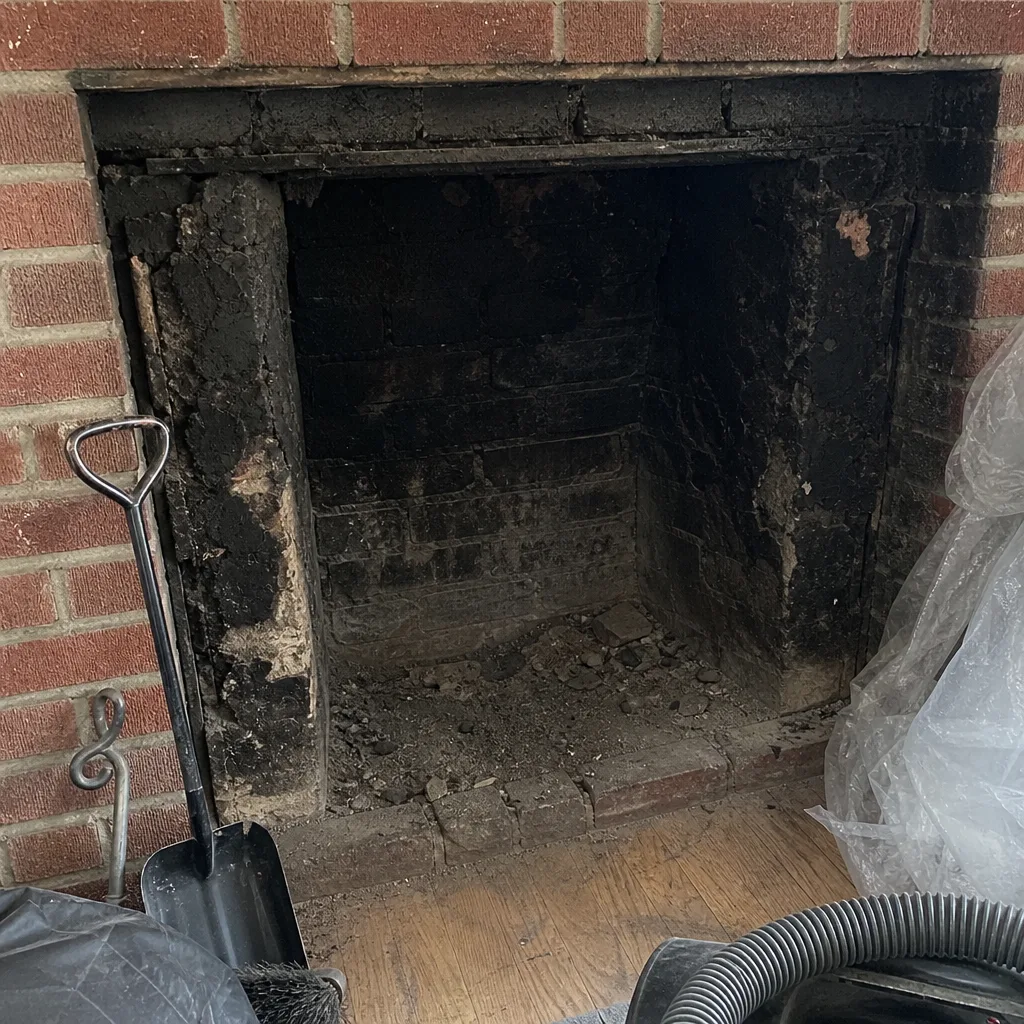
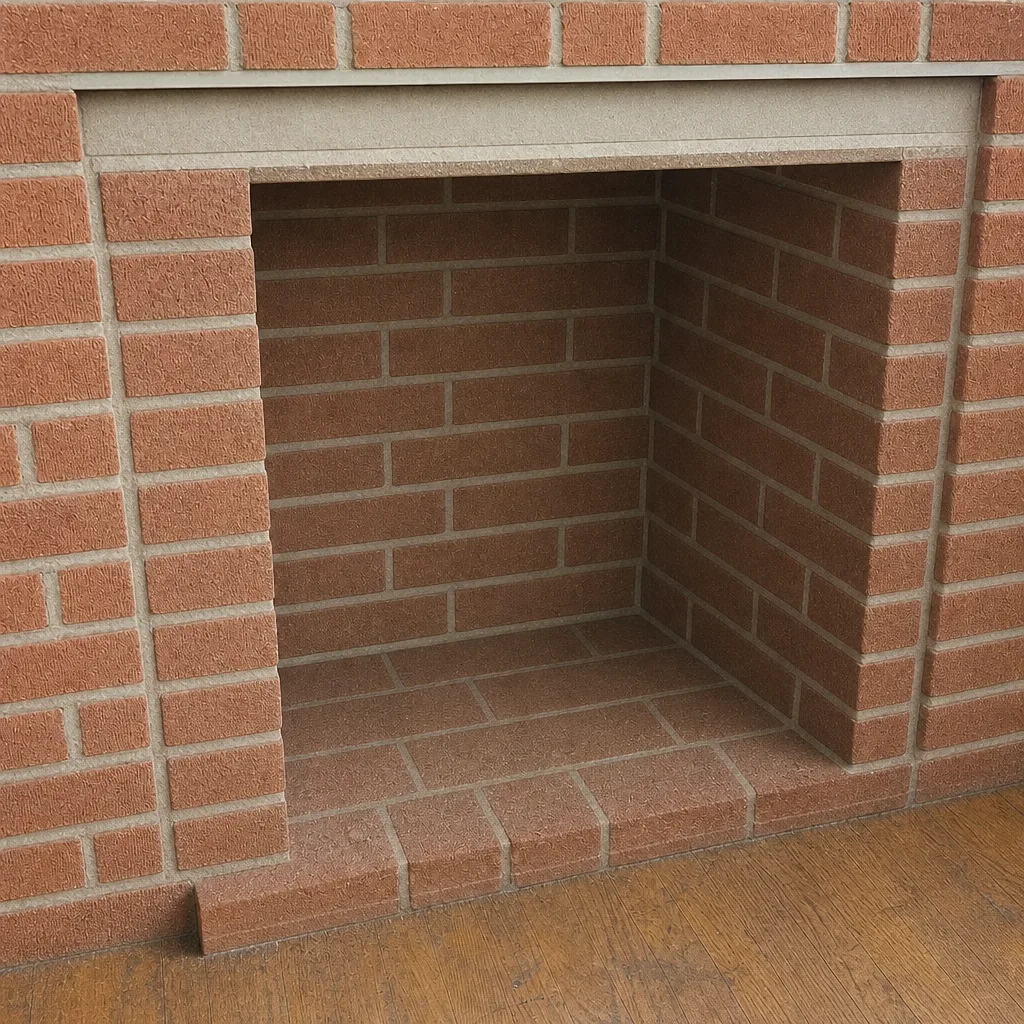
See the difference
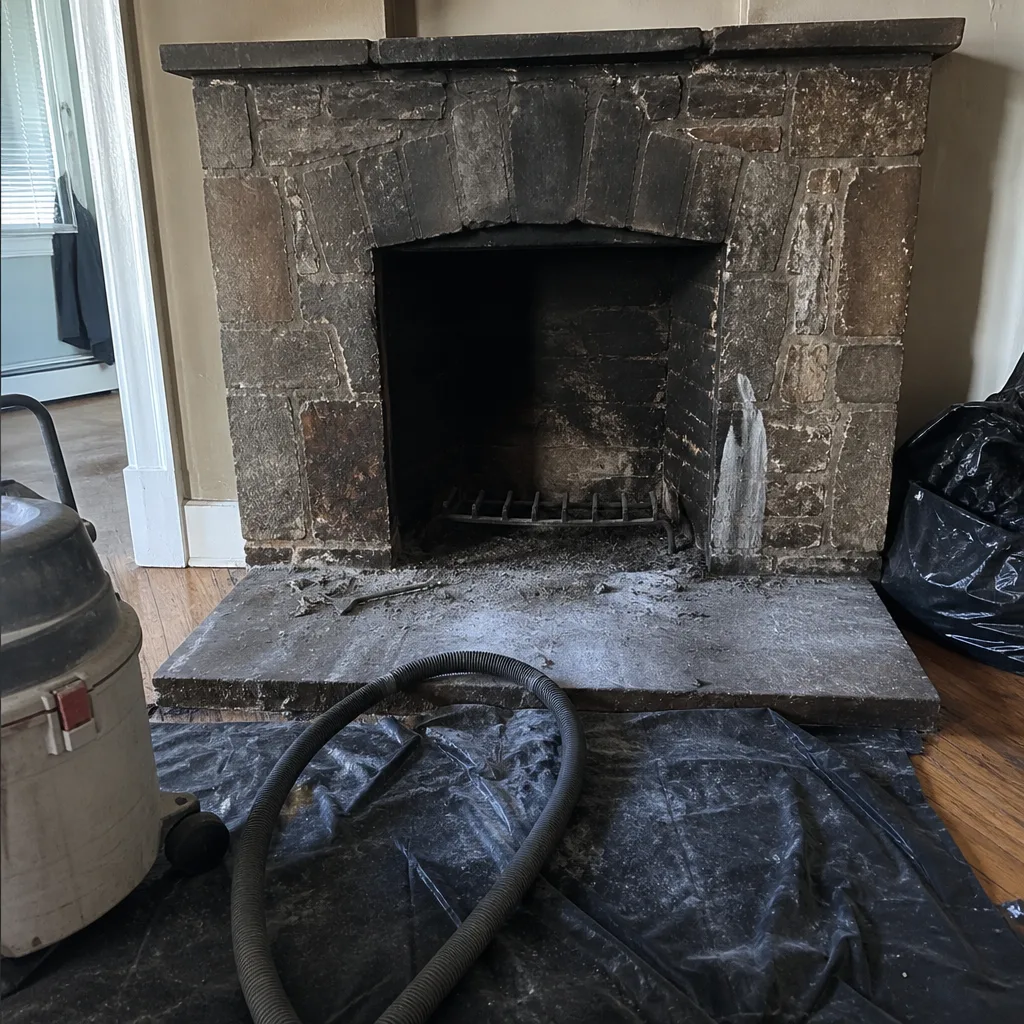 Before
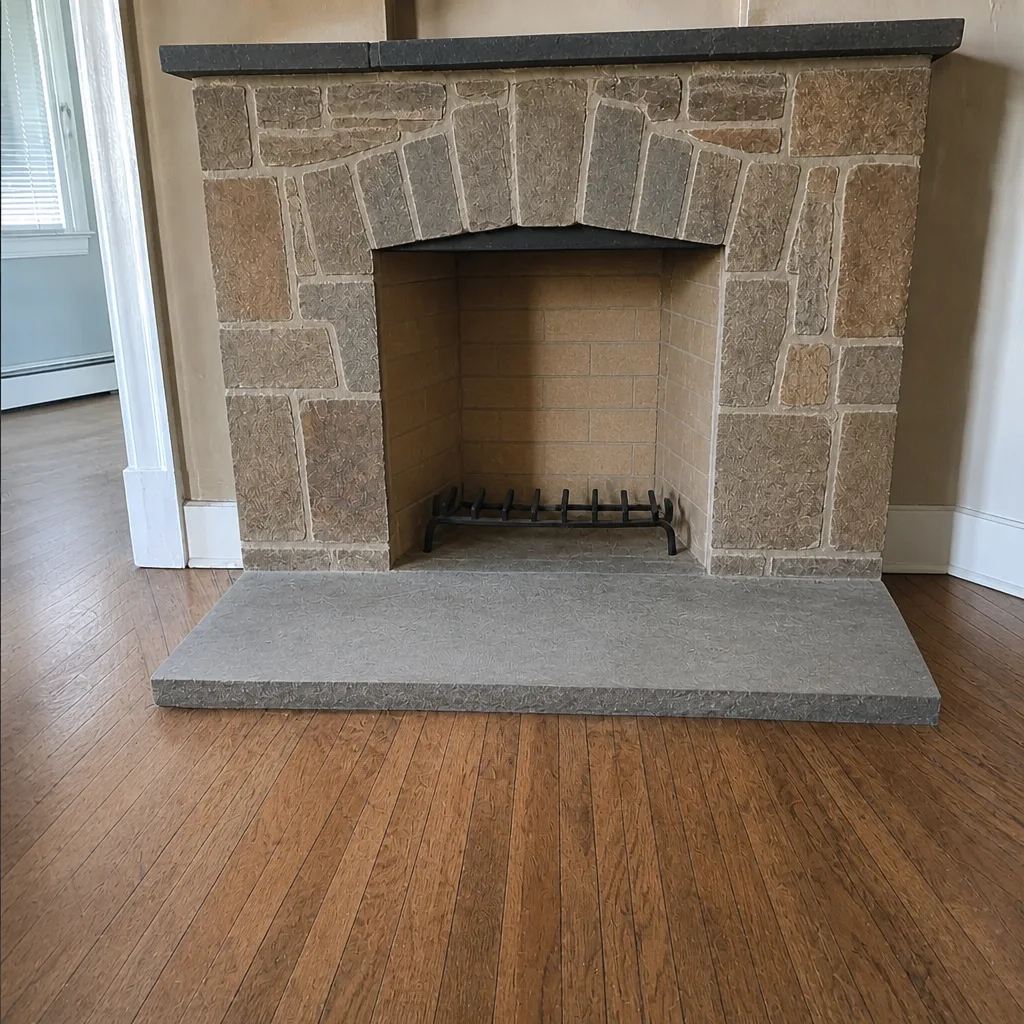 After
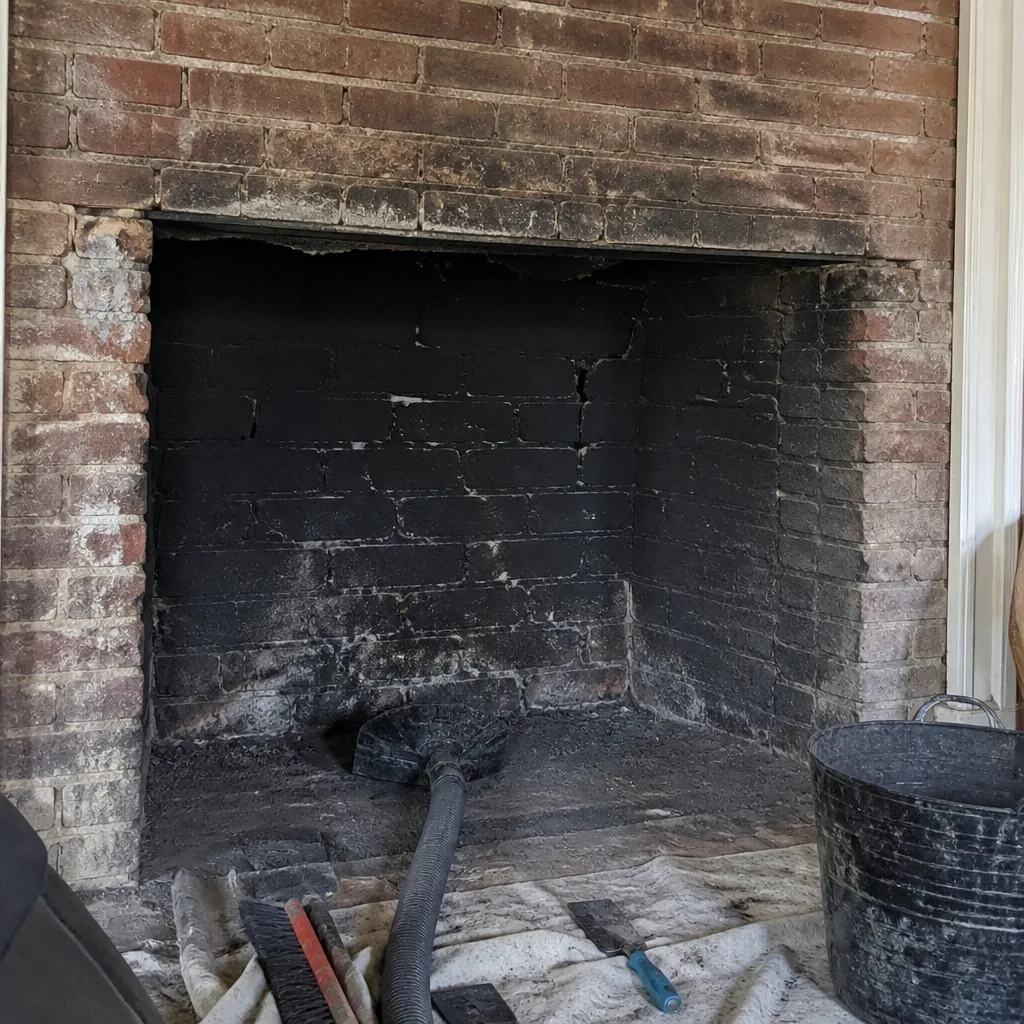 Before
 After
 Before
 After
Frequently Asked Questions
Most chimney cleanings in East Harlem fall within a typical range, and the written estimate you receive sets the final price. The figure depends on how many flues are involved, how much build-up is present, and whether the flue has residual oil-to-gas deposits that need special removal. You’ll get a flat-price estimate agreed before booking, so there’s no surprise at the end. Call (844) 482-6205 for an exact quote; estimates are free.
The general rule is once a year while the chimney is in use, or more often if you burn heavily. In East Harlem, the annual schedule makes sense because the older masonry stock holds moisture and the fuel history in many buildings is complex. If the flue serves a gas appliance now but burned oil before, don’t stretch the interval. Call us to book a sweep and get the flue on a documented schedule.
Creosote builds up, and at the glazed stage it becomes a real fire risk inside the flue. A blocked or dirty flue can also let carbon monoxide back into the home instead of venting it outside. Neither outcome is worth the risk of waiting. If you’re not sure when your flue was last serviced, call (844) 482-6205 for an inspection.
Only if the inspection shows the current liner is failing. In many East Harlem flues, a deteriorating clay tile liner can be resurfaced with HeatShield instead of replaced outright, which saves time and money. We don’t recommend a new liner without camera evidence you can see. Call (844) 482-6205 to schedule an inspection and get a straight answer.
The smell is creosote reacting to warm, humid air, which draws odors down through the flue. It’s a signal that build-up is present, not necessarily that something is wrong structurally. A cleaning usually clears it. If the smell returns quickly, the flue may need a closer inspection. Call (844) 482-6205 for an estimate.
A single-flue cleaning on a straightforward chimney usually runs shorter than a multi-flue stack in a converted pre-war building. Older East Harlem buildings with offsets or bundled flues take longer because the method has to match the flue. Either way, you’ll know before we start. Call (844) 482-6205 to book.
The Bottom Line
Chimney cleaning in East Harlem isn’t a brush-and-go job. The buildings here span from brownstones to converted tenements to newer construction, and each one carries its own liner, its own fuel history, and its own creosote pattern. A proper cleaning matches the method to the flue, includes an inspection at the right NFPA 211 level, and ends with a written, photographed report you can trust. We carry and install the brands professionals rely on, so the sweep, the diagnosis, and any repair happen with one team. If anything can wait, we’ll say so. If it can’t, you’ll see the evidence. Call (844) 482-6205 for a free estimate.
Written by the team at Chimney Sweep East Harlem.